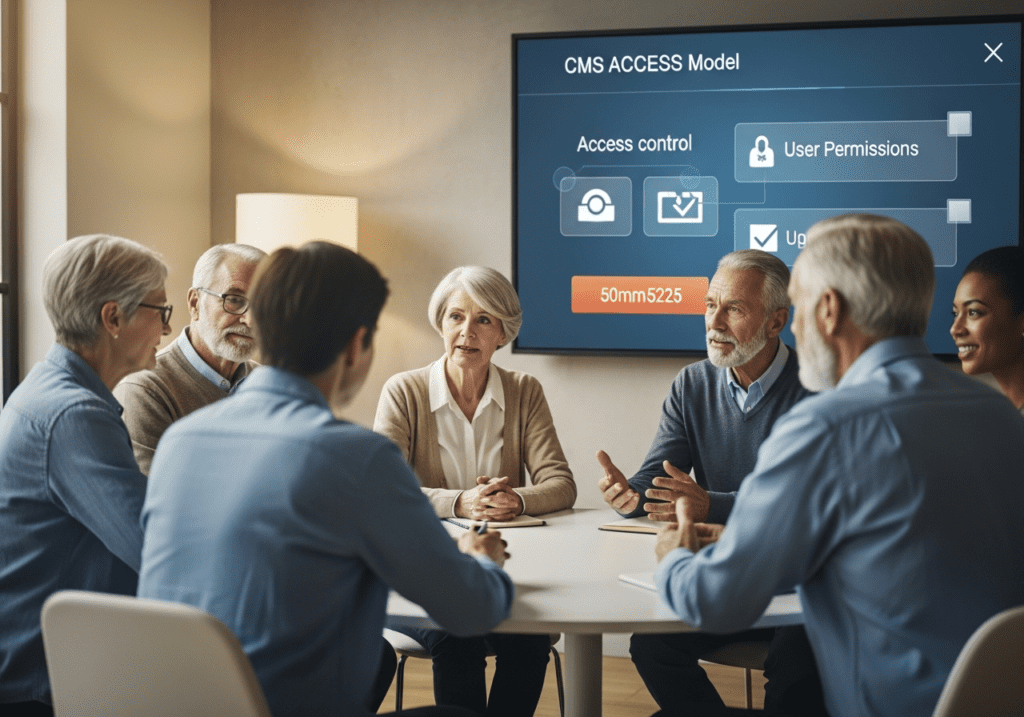
CMS’s Accountable Care Collaborative for Complex and Special Needs Populations (ACCESS) model represents a structural shift in how behavioral health services are reimbursed and delivered within value-based care frameworks. For behavioral health organizations — especially those serving Medicaid populations — understanding the ACCESS model’s workforce implications is not an optional policy exercise. It directly affects who you need to hire, how you credential them, and what documentation standards your staff must meet to generate reimbursable services under the model.
This guide focuses specifically on the workforce and staffing decisions that ACCESS-aligned organizations need to make now.
What the CMS ACCESS Model Changes for Behavioral Health Providers
The ACCESS model is designed to improve care coordination for individuals with complex behavioral health needs — specifically those who are high-cost, high-utilization Medicaid beneficiaries. It does this by requiring participating organizations to build care coordination infrastructure, track outcomes against defined metrics, and demonstrate that care is being delivered through a qualified, credentialed workforce.
The direct workforce implications for participating or ACCESS-aligned organizations:
Care coordination roles become central, not supplemental. The model explicitly values care coordination as a billable activity — meaning organizations that previously relied on informal check-ins or undocumented follow-up now need designated care coordinators with defined credentials, documentation standards, and caseload parameters.
Outcome tracking requirements increase administrative burden. Documentation requirements under value-based care frameworks like ACCESS are more intensive than fee-for-service billing. Staff who were hired under a traditional model may not have the training — or the appetite — for the level of documentation ACO-style contracts require. This is a hiring and retraining challenge that hits simultaneously.
Qualified behavioral health professional (QBHP) credentialing requirements tighten. CMS has progressively tightened who qualifies as a QBHP for Medicaid billing purposes. Hiring unlicensed or provisionally licensed staff for clinical roles that require QBHP billing authority is a compliance risk that ACCESS participation makes more visible.
The Staffing Roles ACCESS-Aligned Organizations Need to Build
Behavioral health organizations positioning for ACCESS participation — or for the broader value-based care contract environment it represents — need to build capacity in several specific roles:
Care Coordinators with Behavioral Health Training
Not case managers in the traditional sense, but professionals with enough clinical background to identify changes in condition, communicate with prescribers, and navigate crisis situations — while managing a caseload of 30–50 high-complexity patients. Relevant credentials: licensed clinical social workers (LCSW), licensed professional counselors (LPC), or bachelor’s-level social workers with supervised experience in behavioral health populations.
Peer Support Specialists
CMS has increasingly recognized peer support as a billable service under Medicaid in states with approved SPA (State Plan Amendments) or waivers. Peer specialists bring lived experience with mental health or substance use recovery and serve as a critical engagement bridge for high-risk populations. Credential requirements vary by state — most require state certification and a defined supervised training period.
Licensed Clinicians with Value-Based Care Documentation Experience
Clinical staff who have worked in FQHC (Federally Qualified Health Center), ACO, or CCO (Coordinated Care Organization) settings have direct exposure to outcome measurement, HEDIS metrics, and the documentation rigor value-based contracts require. These candidates command a premium but bring transferable infrastructure knowledge that accelerates an organization’s transition.
Data and Quality Improvement Coordinators
ACCESS and similar value-based models require demonstrable outcomes reporting. Organizations without dedicated quality improvement capacity — someone who can pull, interpret, and act on outcomes data — will struggle to manage contract performance. This role sits between clinical and administrative; candidates with RHIA, RHIT, or public health backgrounds are strong fits.
Credentialing and Supervision Requirements Under ACCESS
CMS Medicaid billing rules require that clinicians providing services are credentialed to the level the service code requires. For ACCESS-aligned organizations, this means:
- Every clinician billing under a licensed professional code must have a current, unrestricted license in the state of practice — verify this independently via state licensing board lookup before hire
- Provisionally licensed clinicians must have a documented, active supervision arrangement with a fully licensed supervisor on file — CMS audits look for this documentation
- Peer support specialists must hold state certification if your state requires it for Medicaid billing — do not assume federal recognition translates to your state’s Medicaid rules
- Care coordinators who perform clinical assessment functions must be at the credential level your state’s QBHP definition requires
Compensation Benchmarks for ACCESS-Relevant Behavioral Health Roles
- LCSW / Licensed Clinician: $55,000–$80,000 depending on state and experience
- Care Coordinator (LCSW or LPC level): $50,000–$70,000
- Peer Support Specialist (certified): $36,000–$52,000
- Psychiatric Nurse Practitioner (PMHNP): $115,000–$160,000
- Quality Improvement Coordinator (behavioral health): $55,000–$75,000
Build the ACCESS-Ready Workforce Before the Contract Requires It
Value-based care contracts are written with workforce requirements that assume you already have the infrastructure. Organizations that wait until a contract is signed to build care coordination, peer support, and QI capacity find themselves hiring under pressure — with less time to screen, onboard, and verify credentials correctly.
Pulivarthi Group places licensed behavioral health clinicians, care coordinators, and peer support specialists with organizations building value-based care capacity. We understand CMS credentialing requirements, state-level Medicaid billing rules, and the documentation expectations that come with ACCESS-aligned contracts. If your organization is preparing for value-based care participation or scaling existing capacity, connect with our behavioral health staffing team to discuss your workforce needs.
Sources
- CMS Innovation Center: Accountable Care Collaborative for Complex and Special Needs Populations (ACCESS) Model Overview
- SAMHSA Workforce Development Resources: Behavioral Health Care Coordination
- CMS Medicaid QBHP Definition and Billing Requirements
- NAADAC: Peer Support Specialist Certification State Requirements Matrix
- Bureau of Labor Statistics: Social Workers and Counselors Compensation Data