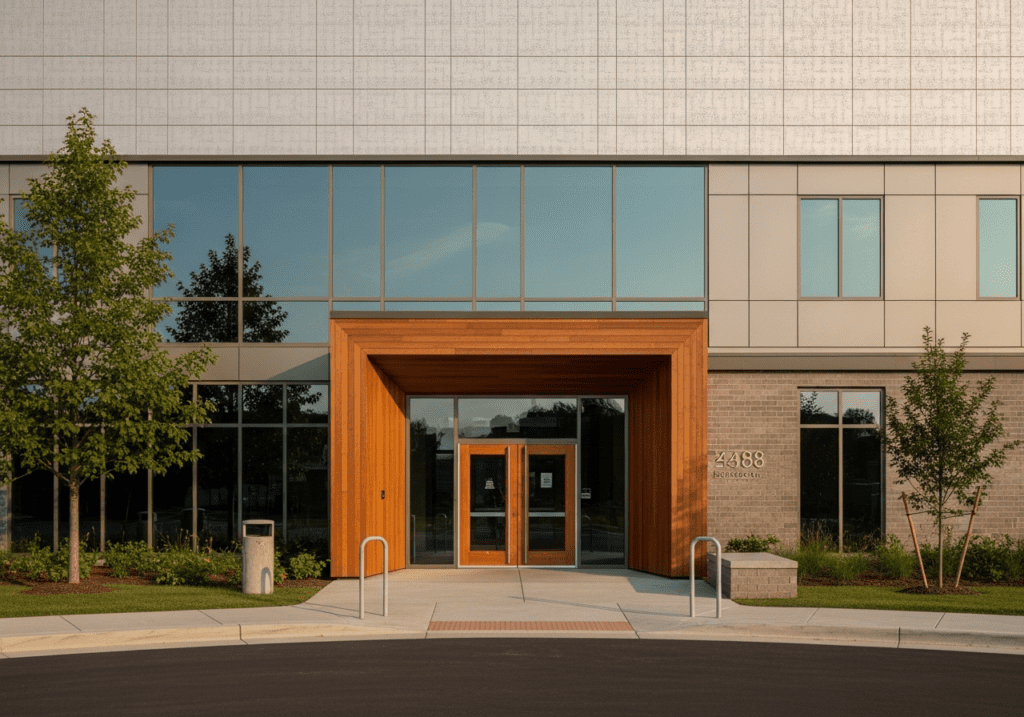
Centerstone has launched a $13 million youth behavioral health campus in Springfield, MO, aimed at addressing mental health and substance use challenges. As youth mental health continues to be a pressing concern, the establishment of dedicated facilities such as this one is crucial. With increasing rates of anxiety, depression, and substance use among young people, mental health clinics and specialty care providers face significant challenges. This blog explores these challenges, particularly as they relate to new facilities and services designed for youth.
Addressing Youth Mental Health Challenges
The Centers for Disease Control and Prevention (CDC) report alarming trends in youth mental health. In particular, conditions such as depression and anxiety are growing at unprecedented rates. Furthermore, substance use among adolescents has surged during recent years. This has made mental health services for youth more critical than ever.
Centers like the new one opened by Centerstone provide comprehensive services that include residential treatment and crisis interventions. Such services are designed for emergency situations, where youth may be experiencing severe mental distress or risk of self-harm.
In outpatient settings, mental health providers like Licensed Clinical Social Workers (LCSWs) and Psychiatric Mental Health Nurse Practitioners (PMHNPs) can facilitate ongoing therapy and support. They help bridge the gap between acute care and community support, ensuring continuity in care.
Operational Efficiency in Youth Mental Health Services
New facilities must prioritize operational efficiency to deliver effective youth mental health services. Youth behavioral health campuses can utilize integrated treatment models. This means treating co-occurring mental health and substance use disorders within the same framework, which often enhances patient outcomes.
For clinical leaders and administrators, increasing operational efficiency requires strategic staffing. They must assess their workforce dynamics to ensure that they have a balanced approach to care. For instance, utilizing Clinical Psychologists and Board Certified Behavior Analysts (BCBAs) can provide tailored behavioral intervention strategies for youth.
- Implement telepsychiatry models for remote consultations.
- Enhance communication between clinical teams for improved care transitions.
- Utilize data analytics to track patient progress and service efficacy.
- Foster partnerships with community organizations to extend resources.
Regulatory Considerations in Youth Mental Health
Healthcare providers must navigate a complex regulatory landscape. In youth mental health services, compliance with state and federal regulations is especially vital. It ensures that facilities provide safe and effective care. Furthermore, understanding the legal requirements relating to minors receiving treatment is crucial.
For example, consent regulations differ significantly for adolescents. Mental health professionals must ensure that they comply with the evolving legal frameworks surrounding youth services. Failure to do so may result in punitive repercussions, which can also impact clinical outcomes.
Workforce Realities in the Youth Behavioral Health Sector
The shortage of qualified mental health professionals presents a challenge. In settings such as inpatient rehabilitation facilities and psychiatric centers, there is an urgent need for skilled practitioners like Psychiatrists and PMHNPs.
Recruitment strategies must adapt to these workforce realities. This can include leveraging remote work opportunities to attract talent from diverse geographic regions. Mental health staffing agencies can play a significant role in filling these gaps. Acquiring the right professionals leads to better patient outcomes and enhanced service delivery.
Conclusion
As evidenced by the recent opening of Centerstone’s youth behavioral health campus, addressing youth mental health is imperative. New facilities must not only provide innovative care models, but they must also navigate operational, regulatory, and workforce challenges. The Pulivarthi Group stands ready to assist healthcare organizations in accessing hard-to-find professionals across various settings. Whether you are seeking Clinical Psychologists, Psychiatrists, PMHNPs, or LCSWs, our agency can help you build a robust team dedicated to improving youth mental health outcomes. Together, we can create a brighter future for the youth we serve.