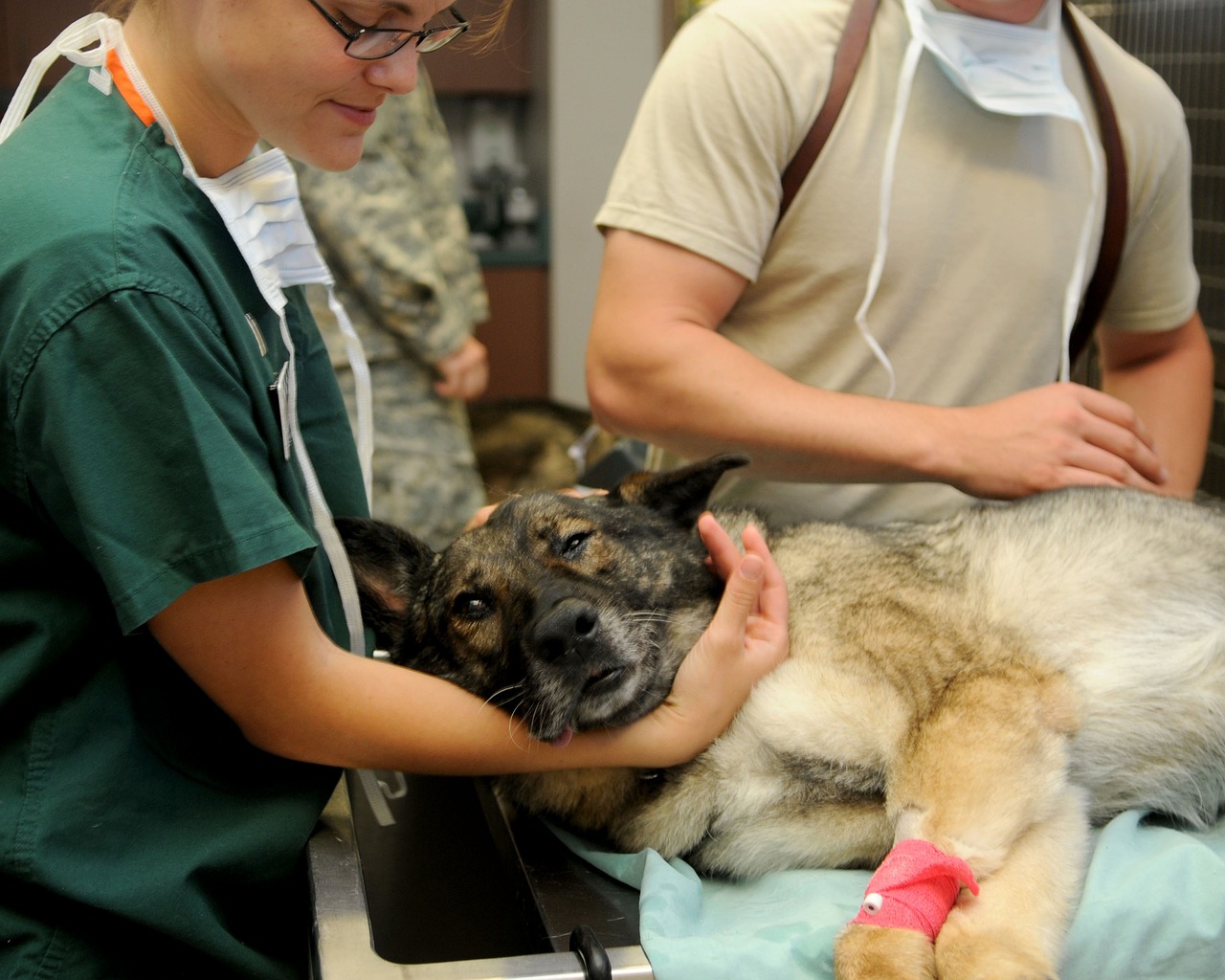
The recent CDC testing pause has raised significant concerns for pet health and public safety. As veterinarians and veterinary staff, it is vital to stay informed. This temporary halt affects testing for over two dozen infectious diseases, including rabies and mpox. Understanding the implications for pets can guide clinical practice and operational protocols in veterinary clinics across the United States.
Impacts on Public Health and Veterinary Clinics
The CDC’s decision to pause diagnostic testing poses risks that veterinary clinics cannot afford to ignore. Rabies, a preventable viral disease, poses a severe threat to both animals and humans. Reduced testing can delay identifying potential rabies cases. Consequently, this impacts not only animal health but also public safety.
For instance, urgent care veterinarians may encounter cases of unknown zoonotic diseases. Without testing, practitioners face diagnostic uncertainties that challenge decision-making. Furthermore, emergency veterinarians may see an influx of patients presenting with nonspecific signs of illness. The inability to test could lead to general practice veterinarians having to rely more on clinical judgment rather than confirmatory laboratory results.
Key Challenges for Veterinary Practices
Specific challenges arise based on the role within the veterinary clinic. Here are some key areas to consider:
- Urgent Care Veterinarians: Must manage patients with potential infections without diagnostic clarity.
- Emergency Veterinarians: Deal with critical cases where timely intervention is vital, making the lack of testing results a serious issue.
- General Practice Veterinarians: Struggle with managing vaccinations and rabies prevention strategies that require accurate incidence data.
- Shelter Veterinarians: Face heightened risks in crowded environments where disease transmission can escalate quickly.
Practices must find alternative ways to mitigate risks. For example, a focus on patient history, physical exams, and preventive measures can help guide clinical decisions in the face of decreased testing options.
The Importance of Staying Informed
Veterinary clinics should remain vigilant and adapt to these changes. Engage in discussions about the potential rise of infectious diseases, and consider maintaining open communication with pet owners. This transparency can build trust and foster a communal approach to managing health risks.
Moreover, healthcare professionals should circulate updates on any changes in diagnostic recommendations or alternative practices during this period. For example, educating pet owners on how to recognize early symptoms of rabies can be crucial. Thus, awareness serves as a primary preventive strategy until testing resumes.
Preparing for the Future
As a veterinary professional, it’s essential to prepare for a landscape where testing might not always be available. Strengthening clinical skills, enhancing patient care protocols, and exploring broad-spectrum treatments and preventive measures are necessary strategies. For instance, mixed animal veterinarians can adopt comprehensive health strategies that reduce the potential impact of rabies outbreaks.
Collaboration with public health agencies is also vital. Keeping abreast of CDC updates can help clinics refine their protocols. Engaging in community outreach can aid in disseminating vital information and improving overall pet safety during the testing pause.
Conclusion
The CDC’s pause on infectious disease testing presents significant challenges for veterinary clinics and their patients. Understanding these implications can help veterinary professionals navigate this uncertain terrain effectively. The Pulivarthi Group stands ready to support veterinary clinics by providing skilled staffing solutions. Our access to a pool of qualified veterinarians, ranging from General Practice Veterinarians to Board-Certified Veterinary Internal Medicine Specialists, ensures your clinic is prepared to manage patient care efficiently. Stay informed on infectious disease risks and strengthen your team’s capabilities as we all adapt to evolving public health challenges.