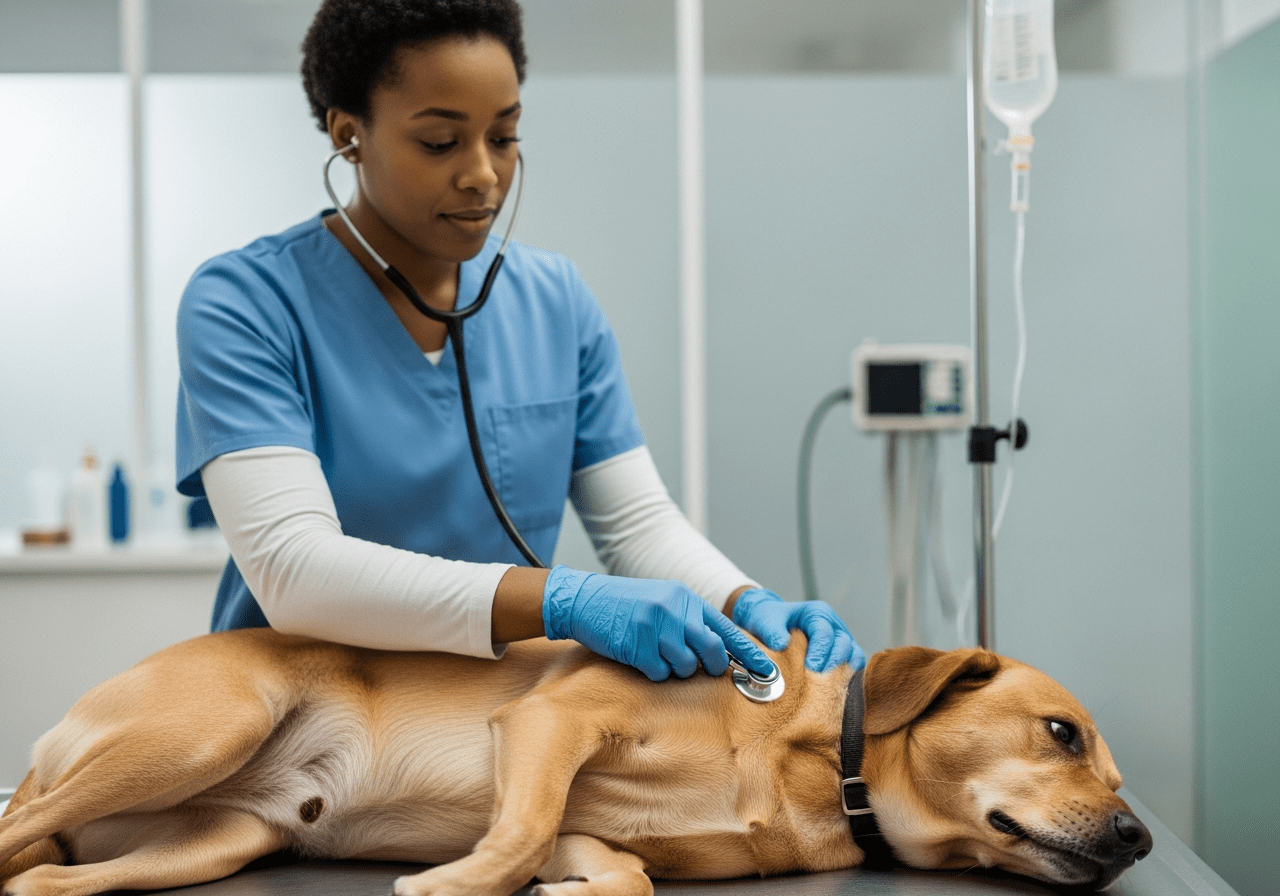
Acute Respiratory Distress Syndrome (ARDS) presents a significant challenge in the veterinary world, particularly concerning canine respiratory coronavirus. In recent studies, the association between ARDS and this virus in dogs has become increasingly apparent. Understanding the intricacies of diagnosing and managing ARDS is vital for veterinary clinics, especially when dealing with infectious respiratory diseases.
Understanding ARDS and Canine Respiratory Coronavirus
ARDS is characterized by severe inflammation and fluid accumulation in the lungs, leading to respiratory failure. This condition can be particularly acute in dogs infected with the canine respiratory coronavirus (CRCoV). The virus is part of a larger group of respiratory pathogens and may lead to significant morbidity.
Veterinarians frequently encounter cases of ARDS, especially in general practice and emergency settings. For example, a recent case involving a young Rottweiler illustrated the rapid progression of ARDS linked to CRCoV. The challenges associated with prompt diagnosis and effective treatment require vigilance and expertise that veterinarians must refine continuously.
Challenges in Diagnosis
Diagnosing ARDS can be complex. Common clinical signs include:
- Severe coughing or labored breathing
- Decreased oxygen saturation levels
- Fever and lethargy
However, these signs can overlap with other respiratory conditions, complicating the diagnosis. Radiographs and ultrasounds can provide valuable insights, but distinguishing ARDS from conditions like pneumonia or bronchitis is critical as these share similar clinical presentations.
Veterinary internal medicine specialists often play a key role in these cases. They can help interpret diagnostic imaging and guide treatment protocols. For instance, advanced imaging techniques such as computed tomography (CT) may assist in revealing fluid patterns characteristic of ARDS.
Effective Management Strategies
Managing ARDS requires a multipronged approach. Treatment often includes:
- Administration of oxygen therapy to address hypoxemia.
- Supportive care such as fluid therapy and nutritional support.
- In some cases, the use of corticosteroids to reduce inflammation.
- Possible antiviral treatments targeting the underlying cause.
A collaborative approach among the veterinary team—including general practice veterinarians and emergency vets—can enhance patient outcomes. Continuous monitoring is essential to assess responses to treatment and make timely adjustments.
Trends in Veterinary Care
The emergence of respiratory diseases, including those caused by CRCoV, underscores the need for updated diagnostic techniques and treatments. As new strains of respiratory pathogens evolve, veterinarians must stay informed about the latest research, including vaccine developments and novel therapeutics.
Moreover, an emphasis on telehealth services can also facilitate rapid consultation in cases of suspected ARDS, allowing for better triage and management of patients. For veterinarians, staying abreast of these trends ensures effective care delivery, ultimately improving patient outcomes.
Conclusion
Understanding acute respiratory distress syndrome in dogs, especially its association with canine respiratory coronavirus, is crucial for veterinary clinics. By improving diagnostic capabilities and management strategies, clinics can enhance their patient care provisions. At Pulivarthi Group, we recognize that training and having access to specialized talent can provide valuable support in elevating your clinic’s operational efficiency. Connect with us to find skilled professionals across roles, from associate and general practice veterinarians to board-certified specialists and emergency veterinarians. Together, we can enhance the veterinary workforce, ensuring your clinic thrives in the face of emerging health challenges.