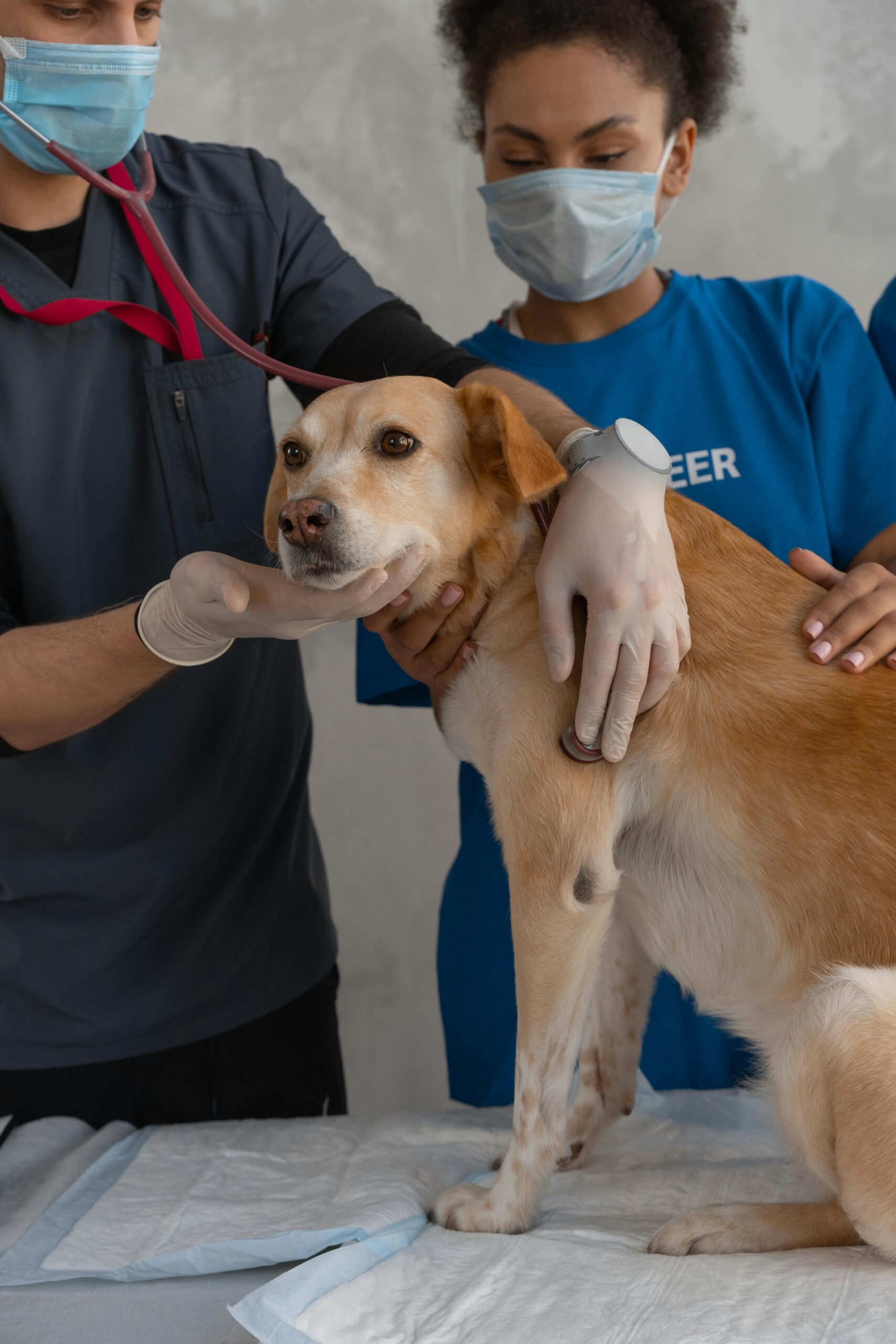
In the realm of veterinary medicine, blood donor screening plays a crucial role in ensuring the safety and efficacy of blood transfusions. For veterinary clinics, the process involves rigorous protocols to guarantee that both donor and recipient animals receive the highest standard of care. With the increasing demand for blood products, understanding the nuances of blood donor screening becomes essential for veterinary professionals, including associate veterinarians, general practice veterinarians, and veterinary internal medicine specialists.
Understanding the Importance of Blood Donor Screening
Effective blood donor screening safeguards the health of both donors and recipients. It mitigates risks associated with infectious diseases, ensuring that the blood product administered is safe for transfusion. Therefore, veterinary clinics must implement a systematic approach to donor eligibility and testing procedures.
In addition, practices must tailor their protocols based on the specific types of care they provide. For example, urgent care and emergency veterinarians often deal with critical cases requiring immediate intervention, necessitating a solid understanding of blood types and compatible matches. Hence, emergency clinics may prioritize quicker screening methods while remaining vigilant about quality.
Key Considerations for Screening Protocols
When developing blood donor screening protocols, several key aspects should be highlighted:
- Eligibility Criteria: Establish clear criteria for donor candidates. Age, weight, and health status play vital roles in ensuring the donor can withstand the donation process.
- Pre-donation Health Evaluation: Conduct a thorough health check that includes a review of medical history, physical exams, and behavioral assessments to rule out potential risks.
- Testing for Infectious Diseases: Implement routine testing for common infectious pathogens such as canine parvovirus, feline leukemia virus, and more. Ensure compliance with regulatory standards while considering the geographic prevalence of certain diseases.
- Education and Training: Continuously educate the clinical staff on best practices for blood donor screening. Regular training sessions can enhance the team’s proficiency and confidence.
Challenges Across Different Veterinary Roles
The specific challenges related to blood donor screening can differ significantly among various roles in veterinary clinics. For instance, shelter veterinarians must typically manage larger populations, making it essential to establish streamlined screening processes to promote donor safety without sacrificing quality.
In contrast, food animal veterinarians face unique challenges due to the regulations surrounding animal agriculture. Ensuring compliance with industry standards while also following strict health protocols for blood donations can be complex. They must stay updated on best practices to provide safe blood products to food animals.
Emerging Trends in Veterinary Transfusion Medicine
The landscape of veterinary transfusion medicine is evolving rapidly. Advanced technologies are enabling veterinarians to conduct real-time blood type testing and infectious disease identification. These innovations promise greater speed and accuracy in clinics, ultimately enhancing the donor screening process. For urgent care veterinarians, this means quicker access to blood products in high-pressure situations, improving patient outcomes significantly.
As practices embrace these innovative approaches, it’s crucial for teams to remain adaptable and open to adopting new protocols. Continuous professional development in transfusion medicine is vital for building an efficient and safe blood donation program.
Conclusion
In summary, the effectiveness of blood donor screening in veterinary clinics hinges on adhering to best practices tailored to each clinic’s unique needs. By focusing on eligibility, thorough health evaluations, and infectious disease testing, clinics can ensure safety for both donors and patients alike. Pulivarthi Group recognizes the complexities involved in staffing for these vital roles. We specialize in connecting clinics with skilled professionals, including associate veterinarians, emergency veterinarians, and board-certified veterinary internal medicine specialists. Partnering with us can enhance your clinic’s capacity to support robust blood donor screening practices while ensuring excellent patient care.