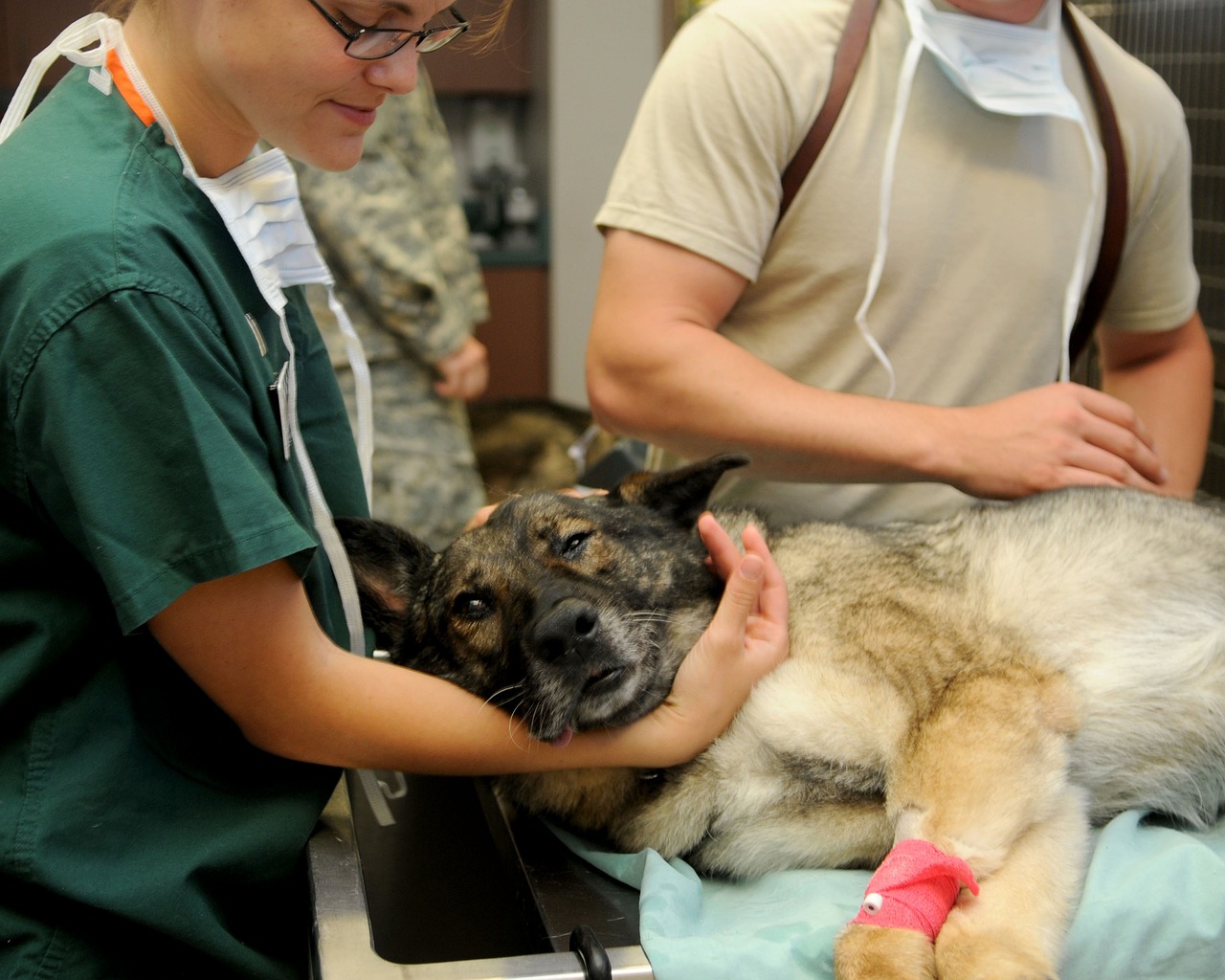
In today’s rapidly evolving veterinary industry, enhancing your veterinary community is essential for maintaining a high-performing clinic. Associates, practice owners, and support staff all contribute to the clinic’s success. With the right strategies, we can address key factors that improve team satisfaction, foster collaboration, and ultimately lead to better patient care.
Identifying Key Challenges in Veterinary Practices
Veterinary clinics face various challenges today, many of which stem from stress, burnout, and a lack of interpersonal connection among team members. For example, urgent care veterinarians often work under high-pressure situations. Meanwhile, general practice veterinarians focus on routine care, yet both roles require efficient teamwork and communication. If clinic morale is low, it can create blind spots in patient care and lead to increased turnover.
Improving Team Well-Being and Satisfaction
Creating a supportive environment starts with acknowledging how the veterinary community operates. Team well-being can vastly improve through simple yet effective strategies: strategies for fostering team inclusivity can pave the way for open communication and cooperation among staff members. By actively involving all voices in decision-making processes, we cultivate a sense of belonging that enhances overall morale. Furthermore, regular team-building activities can strengthen relationships and reinforce a shared commitment to our mission.
- Regular Team Meetings: Foster open communication by holding meetings where staff can share successes and difficulties.
- Professional Development: Offer opportunities for Continuing Education (CE) to allow veterinarians to advance their skills.
- Flexible Scheduling: Understanding the importance of work-life balance can prevent burnout among critical care veterinarians and emergency staff.
In addition, clinics can implement mentorship programs that pair experienced veterinarians with newcomers. This ensures knowledge sharing and helps build a robust veterinary community within the clinic.
Enhancing Engagement and Retention
Maximizing engagement is crucial for retaining talent in all veterinary roles—from food animal veterinarians to community medicine veterinarians. A strong sense of community involves actively seeking input from all team members. Consider the following approaches:
- Staff Recognition Programs: Acknowledge individual and team efforts to boost morale.
- Team Building Activities: Organize social events to strengthen relationships among staff.
- Open-Door Policies: Encourage open lines of communication, where team members feel safe discussing concerns.
These strategies empower staff across various veterinary roles, ultimately enhancing their commitment to the clinic’s mission.
Adapting to Industry Trends
The veterinary landscape is undergoing significant changes, driven by advancements in technology and a growing demand for specialized care. Adoption of telemedicine and remote consultations has become more prevalent, particularly for shelter veterinarians and emergency veterinary roles. This trend helps expand services while maintaining the quality of patient care. Adopting these technologies can also help in building a more resilient veterinary community.
Conclusion
In conclusion, fostering a strong veterinary community enhances team satisfaction and directly impacts patient care. By embracing strategies focused on team well-being, engagement, and adaptation to industry trends, clinics can create a supportive environment that benefits both staff and patients. At Pulivarthi Group, we understand these dynamics and are committed to helping veterinary clinics build strong teams. Whether looking for an Associate Veterinarian, Emergency Veterinarian, or a Veterinary Internal Medicine Specialist, our staffing solutions bridge the gap, connecting you with hard-to-find talent to elevate your veterinary practice.