Understanding Avian Influenza and Its Implications for Veterinary Clinics
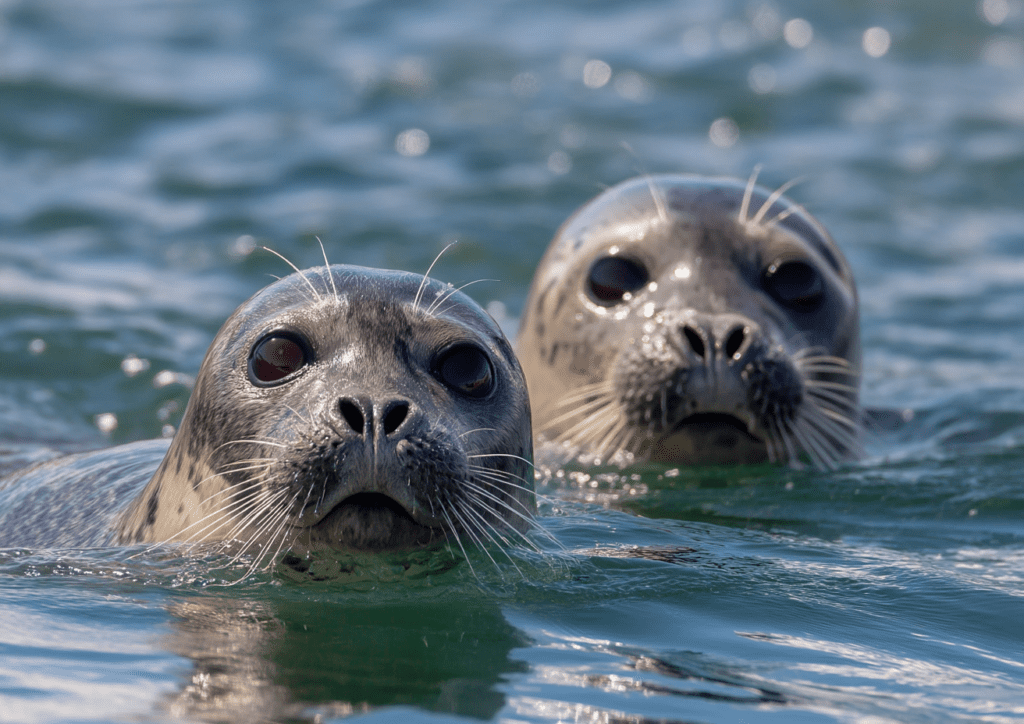
The emergence of highly pathogenic avian influenza (HPAI) poses significant challenges for wildlife and veterinary healing practices. Recently, northern elephant seals have tested positive for this virus, underscoring urgent implications for veterinary public health. As veterinary professionals, understanding avian influenza is essential to manage wildlife health and ensure public safety.
The Impact of Avian Influenza on Wildlife
Avian influenza primarily affects bird populations, but it can also impact mammals like northern elephant seals. The virus spreads through direct contact with infected birds or contaminated environments. This situation is concerning because it highlights the interconnectedness of wildlife and human health. Moreover, veterinary clinics must be prepared to address cases that may arise from this zoonotic disease.
Challenges Faced by Veterinary Clinics
Veterinary practitioners, particularly those in emergency and urgent care settings, may encounter cases of avian influenza in diverse species. The presence of the virus in northern elephant seals raises awareness among clinical staff about the importance of rapid diagnostic capabilities and biosecurity measures.
- Understanding symptoms associated with avian influenza in marine mammals.
- Implementing protocols for the assessment and management of at-risk animals.
- Recognizing forms of transmission and how to mitigate risks in clinic settings.
Clinical Implications for Veterinarians
Veterinarians across various specialties must stay updated on the latest developments regarding avian influenza. General practice veterinarians may need to educate pet owners about the risks associated with infected wildlife. In contrast, critical care veterinarians may deal with affected patients requiring immediate intervention.
For example, if a client presents a pet that has interacted with a northern elephant seal, the clinic should have protocols for isolation and testing. This preparedness can significantly enhance patient care while also protecting staff and the local population from potential outbreaks.
Operational Efficiency and Preparedness
Veterinary clinics should develop contingency plans that address the risks of infectious diseases like avian influenza. Operational efficiency can be enhanced through:
- Regular training and workshops on biosecurity for all staff members.
- Strengthening communication with local wildlife authorities to monitor outbreak patterns.
- Using telemedicine solutions to reduce in-clinic traffic when zoonotic risks increase.
The Broader Context of Veterinary Public Health
Recognizing the impact of avian influenza extends beyond individual clinics. It highlights the need for a coordinated response among veterinary professionals, public health officials, and wildlife biologists. Emphasizing collaborative efforts enhances the ability to tackle these challenges effectively.
For practice owners and managers, investing in ongoing education about emerging diseases is critical. Ensuring that associates and technical staff are informed creates a knowledgeable workforce capable of responding to public health situations.
Conclusion
The presence of avian influenza in northern elephant seals serves as a warning for veterinary practitioners throughout Northern California. Staying informed about the dynamics of wildlife diseases aids in better preparation and response. At Pulivarthi Group, we understand the evolving challenges faced by veterinary clinics. We connect you with hard-to-find talent, ensuring that your clinic is equipped with both skilled veterinarians and clinical staff. This partnership helps enhance public health outcomes while providing expert animal care in a rapidly changing environment.