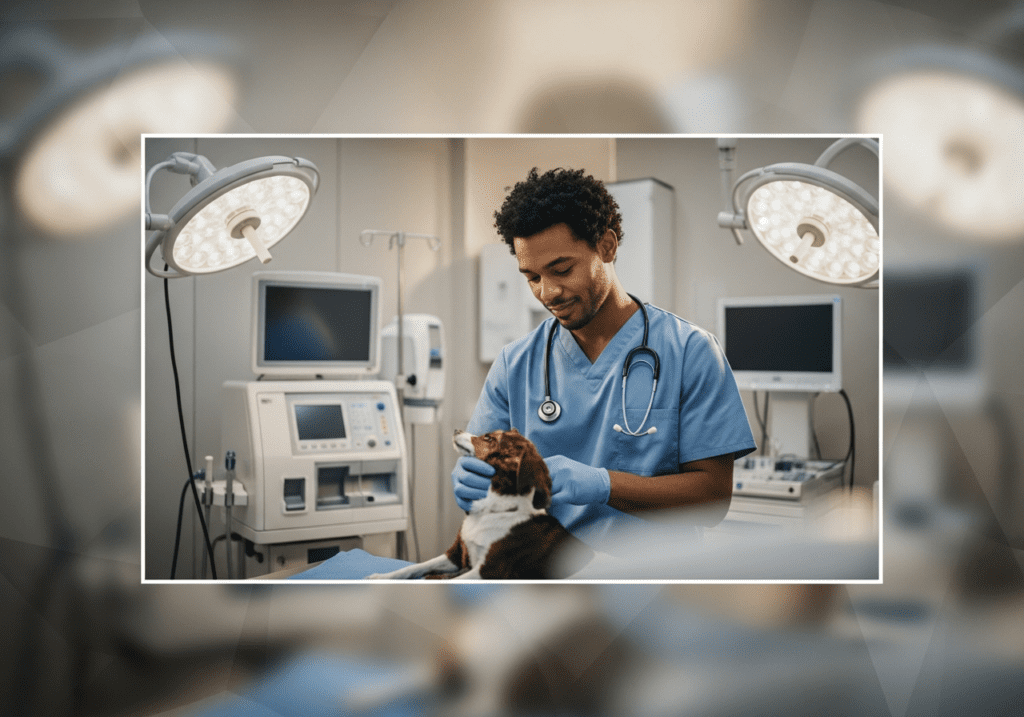
Advancements in Veterinary Medicine: Why They Matter for Your Clinic
The veterinary industry is witnessing rapid advancements in veterinary medicine, transforming clinical practices across the board. From digital diagnostics to telemedicine, innovations are essential for veterinary clinics aiming to provide superior patient care. As we move toward 2026, understanding these advancements and the ongoing challenges they pose is crucial for veterinarians and clinic owners alike. This article explores state-of-the-art practices while highlighting industry trends necessary for operational efficiency.
Current Innovations in Veterinary Practices
The implementation of advanced diagnostic tools has significantly impacted how veterinarians assess patient conditions. For instance, the use of digital x-rays and ultrasound technology allows for quicker and more accurate diagnoses. General practice veterinarians can leverage such tools to enhance patient outcomes and streamline operations. Moreover, innovations in laboratory diagnostics enable faster results, thereby improving clinical decision-making.
Telemedicine has emerged as a vital component in veterinary care, especially for urgent care and emergency veterinarians. Clinics can now offer remote consultations, reducing the burden on physical facilities. This flexibility is particularly advantageous for mixed animal and food animal veterinarians who serve rural and underserved areas.
Challenges Across Veterinary Roles
As veterinary clinics embrace these innovations, they must also navigate various challenges. For example, emergency veterinarians face high-stress situations that demand quick and effective decision-making. In contrast, shelter veterinarians encounter resource constraints that may impact the implementation of new technologies.
Clinical teams may also struggle with software integrations necessary for efficient operations. General practice veterinarians may find it time-consuming to adapt to new digital platforms. Therefore, implementing comprehensive training programs becomes imperative for all clinical staff involved.
The Role of Staff in Adopting Innovations
Transitioning to veterinary innovations requires a committed workforce. Associate veterinarians and clinical staff play a crucial role in adjusting to these advancements. Facilitating open communication encourages a culture of learning and adaptability. As a result, clinics can foster an environment where staff members actively engage with new technologies.
In addition, continuing education is essential. Many veterinary internal medicine specialists emphasize the importance of staying updated with emerging trends. Workshops and seminars can help all veterinary professionals, from community medicine veterinarians to DACVIM specialists, maintain cutting-edge knowledge.
Future Trends in Veterinary Medicine
Looking forward, several trends will shape the veterinary landscape. Data analytics is gaining traction, allowing clinics to make informed decisions based on patient data. Furthermore, advancements in artificial intelligence are enhancing diagnostic capabilities and improving treatment plans.
The rise of pet wearables is also noteworthy. These devices can monitor health metrics, empowering veterinarians to provide tailored care. Consequently, food animal veterinarians can track livestock health more efficiently, supporting the overall quality of food sources.
Conclusion: Partnering for Success
In summary, advancements in veterinary medicine promise to enhance clinical practice and patient care. However, veterinarians and practice owners must also confront related challenges. Partnering with agencies like Pulivarthi Group can ensure your clinic accesses hard-to-find talent across various roles, including associate veterinarians, urgent care veterinarians, and board-certified veterinary internal medicine specialists. Together, we can navigate these advancements and challenges, ensuring that your clinic remains at the forefront of the veterinary industry.