In the evolving landscape of veterinary care, staying updated on advancements in animal health and reproductive outcomes is crucial. As veterinary clinics strive to enhance patient care and operational efficiency, understanding the latest practices can fundamentally improve outcomes in clinical settings. This blog explores innovations in veterinary care that not only promote better health for animals but also address pressing challenges faced by practitioners today.
Current Innovations in Veterinary Care
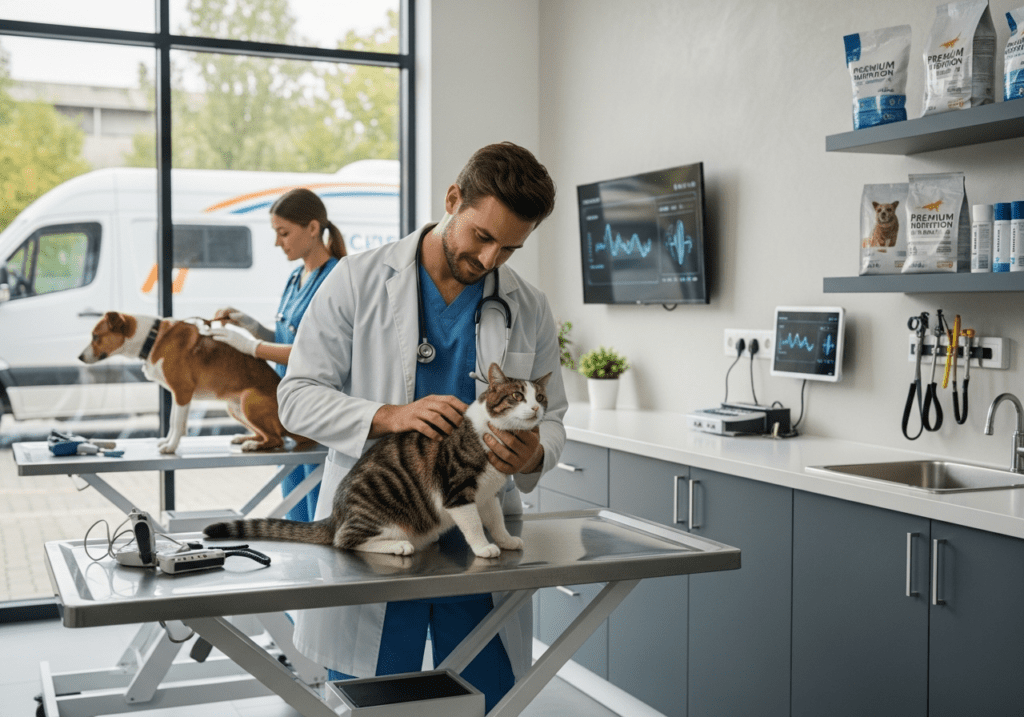
Veterinarians globally are increasingly adopting innovative techniques for diagnosing and treating common ailments. For instance, advancements in telemedicine allow general practice veterinarians to provide consultations remotely. This technology is particularly beneficial for urgent care veterinarians who often face high demand after hours. By ensuring that pet owners can seek advice without immediate visits, veterinary clinics can optimize workflow and reduce unnecessary strain on resources.
Moreover, the use of artificial intelligence (AI) in veterinary diagnostics is transforming how clinicians approach cases. AI-based tools can analyze data swiftly, aiding veterinary internal medicine specialists in crafting precise treatment plans. By leveraging data-driven insights, clinics can enhance animal care while streamlining operational procedures.
Enhancing Reproductive Health Outcomes
Improving reproductive health is a critical focus for many practitioners, particularly in mixed animal and food animal veterinary roles. Novel reproductive technologies, such as artificial insemination and embryo transfer, have shown promise in optimizing breeding programs. These techniques are not only significant for livestock producers but also for shelter veterinarians who manage populations of animals needing homes.
Veterinary clinics can implement best practices in reproductive health by educating staff and ensuring competency in these advanced techniques. This will, in turn, enhance overall practice efficiency and contribute to higher success rates in implementing breeding programs, fostering better health outcomes.
Addressing Workforce Challenges
The demand for skilled veterinary professionals, particularly in specialty fields like emergency and critical care, continues to rise. Associate veterinarians and practice owners must recognize the importance of retaining and attracting talent. One strategy includes providing continuing education opportunities, which not only boosts team morale but also ensures that staff remain at the forefront of veterinary medicine.
Furthermore, implementing flexible scheduling can help mitigate burnout among veterinarians, improving job satisfaction. Veterinary clinics that prioritize a healthy work-life balance are more likely to reduce turnover rates among their staff, fostering a more stable environment for providing high-quality patient care.
The Implications of Community Medicine
Community medicine is another area influencing veterinary practices today. Shelter veterinarians and community medicine veterinarians often engage with diverse populations and varied socioeconomic backgrounds. This role requires a deep understanding of public health and preventive medicine. Regular outreach programs can improve community involvement while benefitting the clinic’s reputation.
Moreover, these efforts extend the impact of veterinary care beyond individual patients. By addressing broader health issues—such as zoonotic diseases—community veterinary practices contribute to overall public health. For veterinarians, this represents an opportunity to expand their roles significantly and engage in impactful community service.
Conclusion
Advancements in veterinary care practices are essential for improving animal health and reproductive outcomes. By embracing innovations in technology, enhancing reproductive health methodologies, addressing workforce challenges, and engaging with community medicine, veterinary clinics can navigate the complexities of modern animal health management. Pulivarthi Group stands ready to support veterinary clinics in accessing exceptional talent across a variety of roles. Whether seeking an urgent care veterinarian, a food animal veterinarian, or a board-certified veterinary internal medicine specialist, we facilitate connections that elevate the standard of care within veterinary practices. Together, we can advance the future of veterinary care.