In the current landscape of veterinary medicine, advancements in veterinary care play a critical role in optimal pet health. As veterinary clinics face numerous challenges, including workforce shortages and animal health management, staying informed about industry trends is crucial. These advancements not only enhance patient care but also improve operational efficiency within veterinary practices.
Current Advancements in Veterinary Care
Recent years have seen significant innovations in veterinary medicine. For example, telemedicine has emerged as a powerful tool in veterinary practice. This allows veterinarians to consult with pet owners remotely, improving access to care. Technologies such as mobile apps for monitoring pet health have also become popular, facilitating timely interventions.
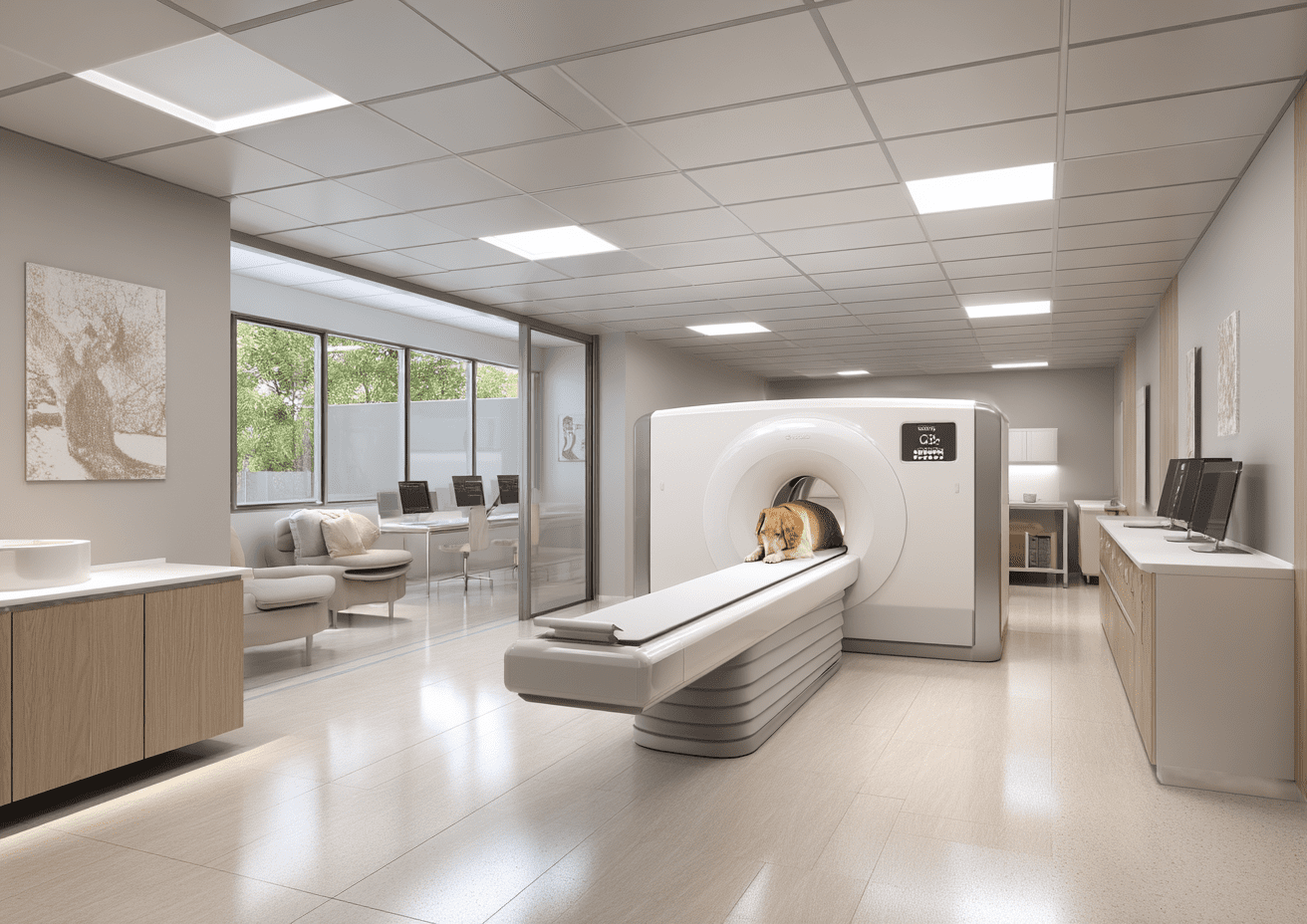
Another notable advancement is the integration of artificial intelligence in diagnostic processes. AI tools can assist in interpreting medical data, leading to quicker and more accurate diagnoses. Moreover, the development of new veterinary pharmaceuticals has improved treatment options for various conditions, from chronic illnesses to acute emergencies.
Addressing Workforce Challenges
Despite advancements, many veterinary clinics struggle with workforce shortages. The increasing demand for veterinary services has outpaced the supply of qualified professionals. This challenge affects various roles within the industry, including Associate Veterinarians and specialists like Board-Certified Veterinary Internal Medicine Specialists.
Additionally, Urgent Care and Emergency Veterinarians often experience particularly high stress due to the volume of cases. Strategies to enhance workforce retention and recruitment are vital. Efforts such as offering flexible work schedules and providing ongoing educational opportunities can help create a more sustainable workforce.
Operational Efficiency in Veterinary Clinics
Operational efficiency is paramount in veterinary clinics. Implementing a structured workflow system can help manage time and resources effectively. For instance, utilizing electronic health records (EHR) ensures that all team members have access to patient histories swiftly.
Furthermore, investing in staff training contributes to operational success. Training programs that focus on customer service and technical skills can enhance team dynamics. This is essential as Mixed Animal and Food Animal Veterinarians, in particular, face unique clinical challenges that can vary widely among species.
Implications for Veterinary Patient Care
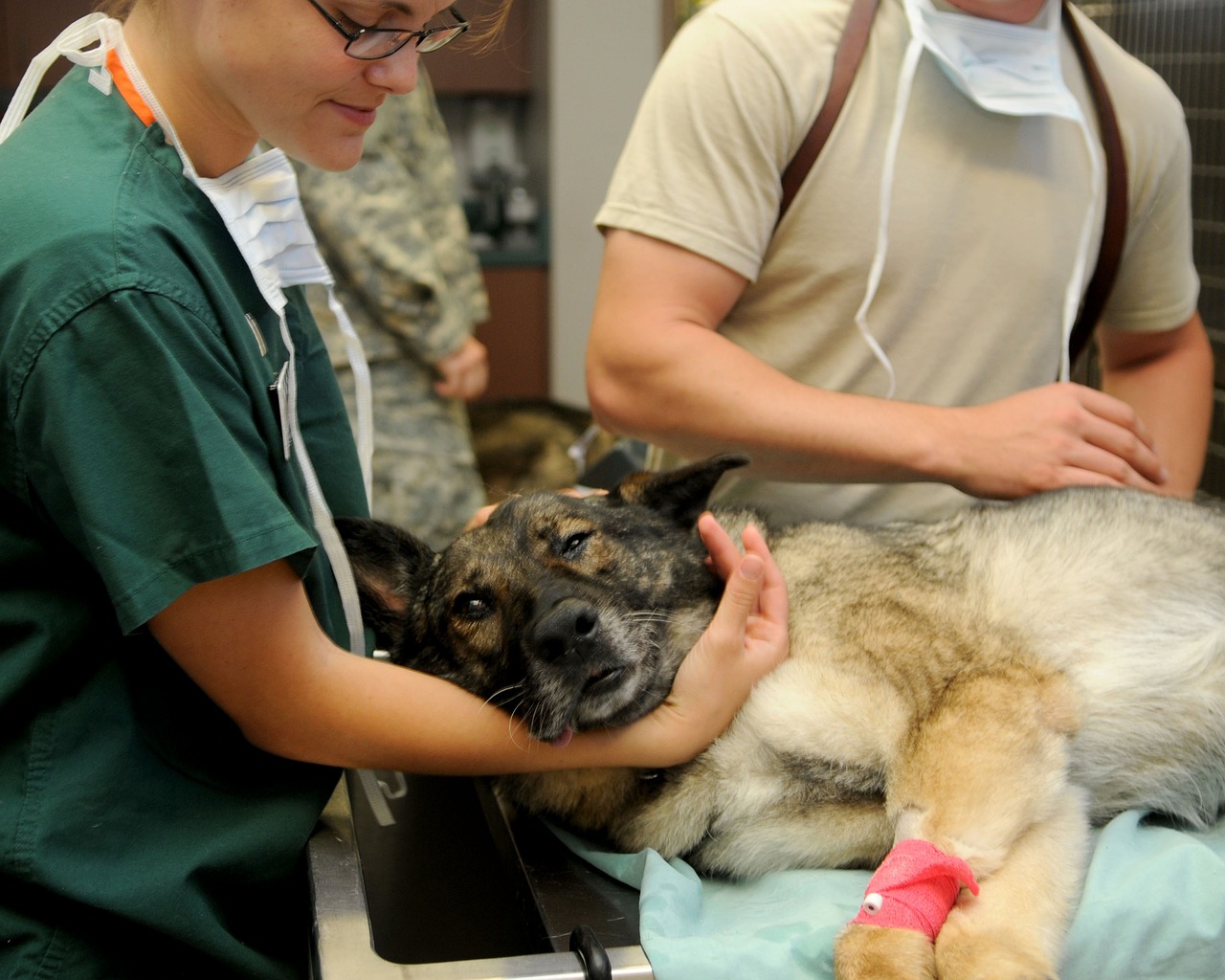
Advancements in veterinary care directly impact patient outcomes. Improved diagnostic tools enable General Practice Veterinarians to detect diseases earlier, leading to better proactive management. In cases where pets require critical care, having a team of experienced Critical Care Veterinarians can make a significant difference in recovery rates.
Shelter and Community Medicine Veterinarians also benefit from these advancements, as they can apply new treatment methodologies to larger populations of animals in need. This not only improves individual pet health but also enhances overall community welfare.
Conclusion
In conclusion, staying abreast of advancements in veterinary care is essential for veterinary clinics aiming to enhance pet health and operational efficiency. The veterinary workforce faces significant challenges, yet innovative solutions exist to mitigate these issues. As a partner in the veterinary field, Pulivarthi Group understands the complexities of staffing needs across various roles. Whether it is finding an Associate Veterinarian, an Urgent Care Veterinarian, or a Board-Certified Veterinary Internal Medicine Specialist, our goal is to help clinics access the talent they need. By addressing these critical areas, we can collectively improve the quality of veterinary care and pet health outcomes.