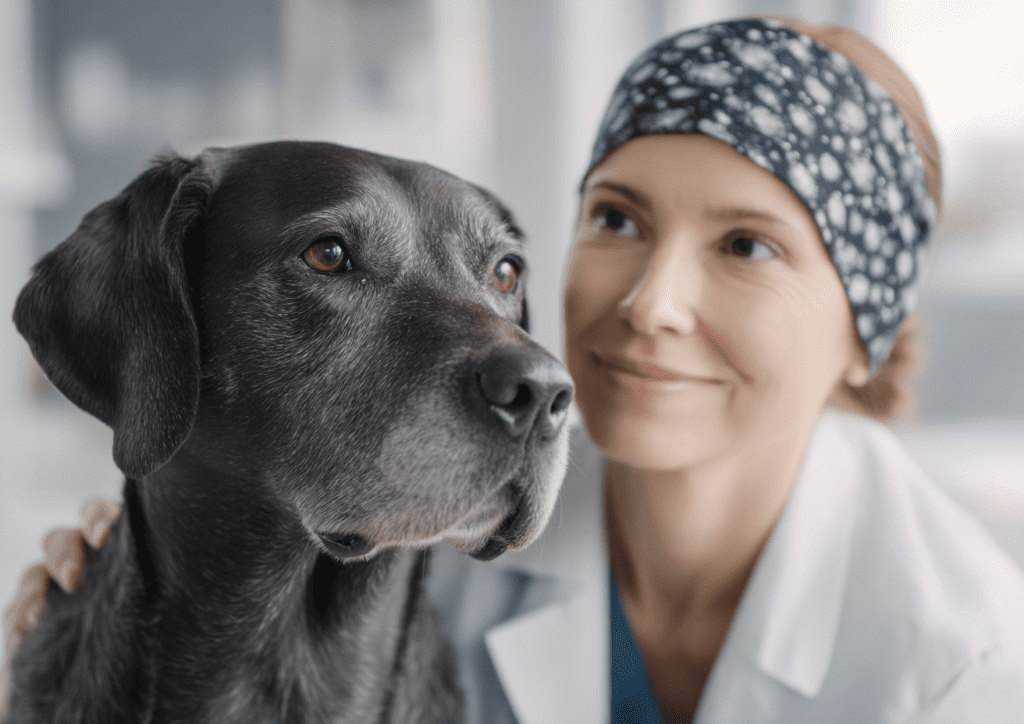
As veterinary clinics increasingly face the challenge of providing advanced cancer care to their patients, developments in veterinary oncology become crucial. At the forefront of these advancements is UC Davis, where cutting-edge research and treatment methodologies are reshaping the landscape of cancer care for animals. This post explores the latest innovations in veterinary oncology, focusing on how these advancements can enhance patient outcomes and operational efficiency in veterinary practices.
Understanding Veterinary Oncology
Veterinary oncology is a specialized field dedicated to diagnosing and treating cancer in animals. With rising cancer rates among pets, particularly dogs and cats, veterinarians are increasingly equipped with innovative treatment options. These options include novel surgical techniques, chemotherapy protocols, and radiation therapies that have shown promise in improving survival rates. However, access to these advanced services often varies among veterinary clinics, which can impact the quality of care.
Innovative Treatment Options
One notable advancement in veterinary oncology is the development of targeted therapies. For instance, advancements in immunotherapy provide new hope for treating various types of tumors. These therapies harness the body’s immune system to fight cancer more effectively than traditional methods. Furthermore, advancements in surgical technologies, such as minimally invasive techniques, can reduce recovery times for patients, leading to better clinical outcomes.
Veterinary professionals, especially in specialty roles like veterinary internal medicine specialists, can leverage these innovations to provide comprehensive cancer care. As a result, they can enhance collaboration within clinical teams, improving patient management strategies.
Research Trends Shaping the Future
Research plays an integral role in advancing cancer treatment methodologies. UC Davis, home to a renowned Comprehensive Cancer Center, leads significant studies investigating novel protocols and combinations of therapies. These research efforts not only enhance existing treatments but also contribute to the knowledge base in veterinary oncology. For example, recent studies focus on the genetic underpinnings of certain tumors, paving the way for personalized treatment plans that are more effective.
Addressing Challenges in Veterinary Oncology
Despite the exciting advancements, challenges persist in the veterinary industry. One pressing issue is the accessibility of specialized care. Many smaller practices may lack the resources or expertise to offer advanced oncology services. This limitation can lead to disparities in care for animals diagnosed with cancer. Consequently, general practice veterinarians often find themselves referring cases to specialty clinics, which can delay treatment.
In addition, urgent care and emergency veterinarians may encounter cases where rapid intervention is critical. Access to advanced cancer diagnostics and treatments can be life-saving, yet many clinics struggle to keep up with these resources.
Operational efficiency in Veterinary Clinics
The veterinary industry’s shift toward advanced cancer care also necessitates changes in clinic operations. Integrating new technologies requires proper training and support for veterinary staff. Additionally, understanding how to communicate the capabilities of oncology services to pet owners is vital. Effective client education can foster trust and lead to greater acceptance of recommended treatment plans.
For example, educating clients on the benefits of innovative treatments can improve attendance rates for follow-up visits, thus enhancing continuity of care. Furthermore, clinics that invest in training their staff, including associate veterinarians and practice managers, often see better patient outcomes and improved operational workflows.
Conclusion
Advancements in veterinary oncology are reshaping how veterinary clinics approach cancer treatment. By staying informed about innovations and effectively addressing the challenges faced in oncology care, clinics can significantly enhance their service offerings. As a staffing partner, Pulivarthi Group recognizes the vital role that talented veterinary professionals play in these advancements. We assist veterinary clinics in finding exceptional talent across various roles, ensuring that your practice has the expertise needed to navigate the complex landscape of veterinary oncology and provide the best possible care for your patients.