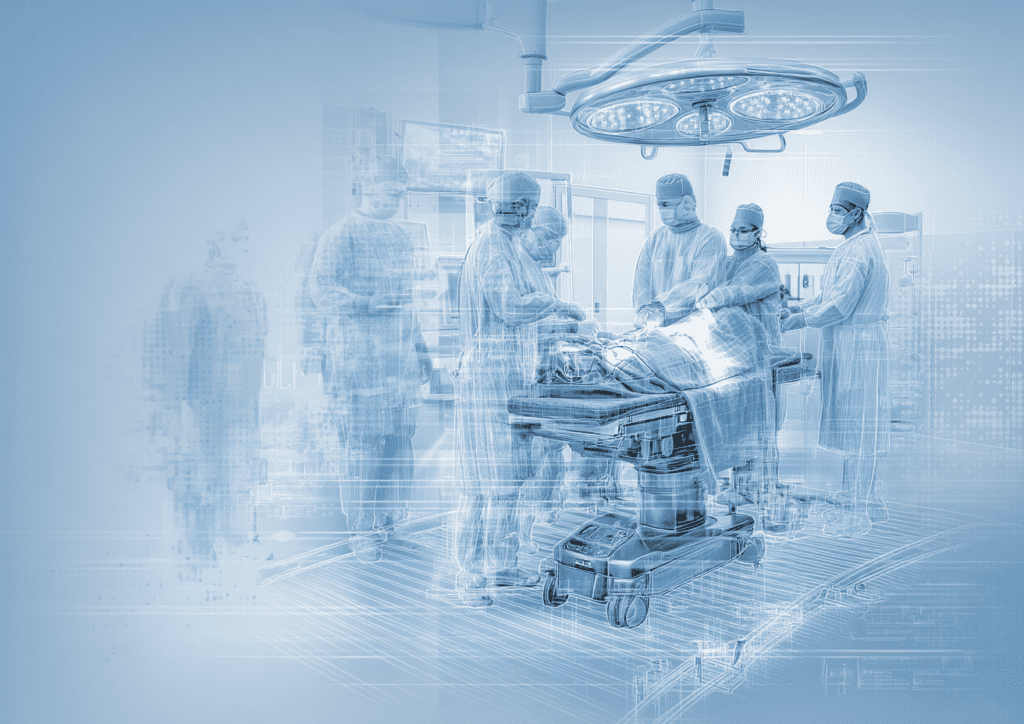
Chylothorax presents complex challenges in veterinary medicine, particularly in managing idiopathic cases. This condition involves the accumulation of chyle in the pleural cavity, which can lead to respiratory distress and necessitates urgent intervention. Recently, advancements in minimally invasive surgery for idiopathic chylothorax have transformed management strategies, offering new hope for clinicians and pet owners alike.
Understanding Idiopathic Chylothorax
Idiopathic chylothorax is characterized by the accumulation of lymphatic fluid in the chest cavity. The causes remain unclear, making diagnosis and treatment a formidable challenge. Veterinarians must manage not only the physical condition but also the emotional concerns of pet owners who often regard traditional surgery with apprehension. Therefore, understanding the intricacies of this condition is vital to effective treatment.
Minimally Invasive Surgical Techniques
Recent innovations in minimally invasive surgery, such as thoracoscopic techniques, have dramatically improved surgical outcomes while reducing recovery times. These methods offer several advantages over traditional surgery, including:
- Shorter hospital stays
- Less postoperative pain
- Quicker return to normal activities
Veterinarians specializing in surgical practices are increasingly adopting these techniques, promoting better patient recovery and owner satisfaction. For instance, employing video-assisted thoracoscopic surgery (VATS) allows for a clearer view of the thoracic cavity while minimizing tissue trauma.
Clinical Management Beyond Surgery
While surgical intervention is crucial, comprehensive medical management is equally important in treating idiopathic chylothorax. This may involve nutritional support, medications for chylothorax control, and ongoing monitoring of fluid levels. Veterinary internal medicine specialists are vital resources in devising effective treatment plans tailored to each individual case. The collaboration between general practice veterinarians and specialty doctors enhances patient outcomes significantly.
Industry Trends and Workforce Considerations
The evolution of veterinary medicine necessitates a workforce adept in the latest surgical techniques and patient care methodologies. Clinics must be equipped to handle new technologies, requiring regular training and professional development for all staff members, including urgent care and emergency veterinarians. This ensures that they remain on the cutting edge of medical care, ultimately improving patient outcomes and elevating clinic standards.
Conclusion
The shift towards minimally invasive surgery for idiopathic chylothorax signals a new era in veterinary medicine. As practices embrace these advancements, the importance of collaboration across roles—from associate veterinarians to board-certified specialists—becomes paramount. Pulivarthi Group understands these dynamics and stands ready to support veterinary clinics in accessing the talent necessary to excel in modern veterinary care. Whether you need a critical care veterinarian or a mixed animal practitioner, we help connect you with professionals dedicated to advancing patient care.