Reptile dermatology is becoming increasingly vital within veterinary clinics. As the demand for reptile care rises, veterinarians face a myriad of challenges in diagnosing and treating dermatological conditions specific to these unique patients. The complexities of reptile skin issues necessitate specialized knowledge and skills, making it crucial for veterinary professionals to stay informed on recent advancements in reptile skin care. This blog offers insights into current trends and practical approaches in reptile dermatology to enhance clinical practice and patient outcomes.
Understanding Reptile Dermatological Challenges
Reptiles have distinct skin structures and functions compared to mammals. Common dermatological issues include dermatitis, infections, and metabolic skin disorders, all of which can complicate diagnosis. For general practice veterinarians and urgent care veterinarians, recognizing these issues quickly is essential. For example, a patient presenting with scales shedding irregularly may be suffering from a nutrient deficiency. Therefore, understanding the specific requirements and symptoms of reptile skin health is crucial for effective treatment.
Moreover, the rapid growth in pet ownership of exotic species means that veterinarians often encounter a wider variety of skin conditions. Each condition may present differently based on the species. Thus, the role of veterinary dermatology specialists is paramount in ensuring accurate diagnoses and tailored treatment plans.
Recent Trends in Reptile Skin Care
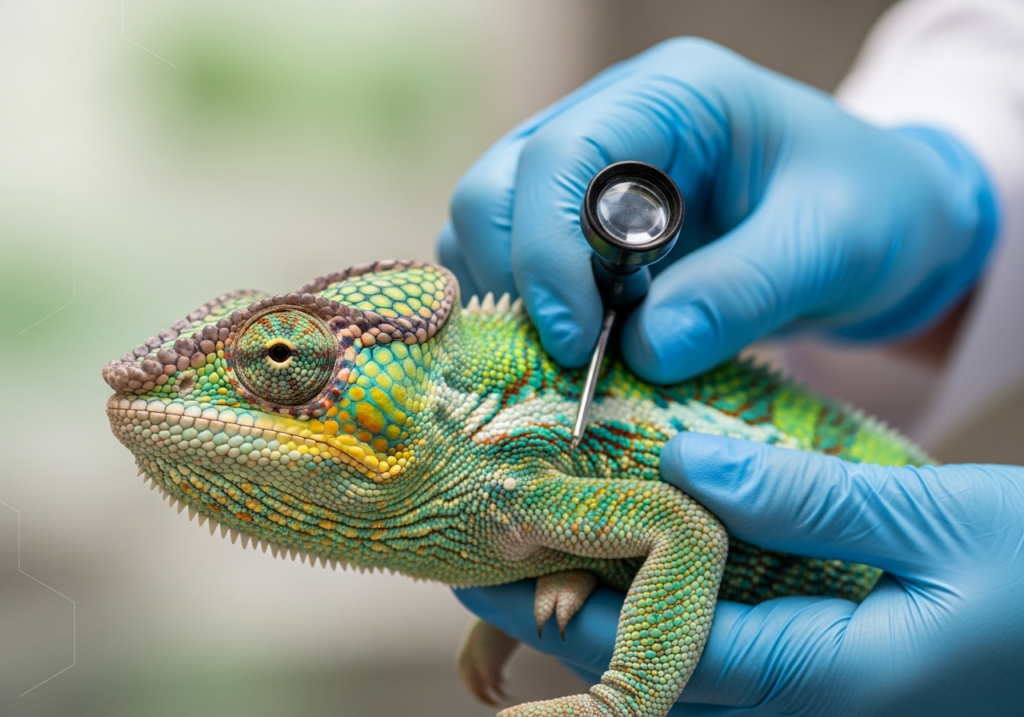
Innovation within veterinary dermatology significantly improves diagnostics and treatment options. Technologies like dermoscopy allow veterinarians to visualize the skin more effectively, leading to better assessments. Additionally, advancements in cytology techniques enable quicker evaluation of skin tumors or infections, enhancing patient care in emergency and critical care settings.
- Integrating telemedicine: With telemedicine, community medicine veterinarians can remotely consult and guide reptile owners on skin care, thus broadening access to expert advice.
- Owner education: Veterinary clinics can offer resources about proper husbandry, nutrition, and signs of dermatological issues specific to reptiles.
- Collaborative approach: Engaging shelter veterinarians and mixed animal veterinarians in discussions around dermatology can lead to improved care across different practice settings.
Practical Implications for Veterinary Clinics
Veterinary practice owners and managers must consider the integration of reptile dermatology into their service offerings. Training for staff is essential. Regular educational workshops focusing on reptile dermatology can empower veterinarians and clinical staff to diagnose and treat skin conditions effectively. For instance, an associate veterinarian may benefit from mentorship opportunities with board-certified veterinary internal medicine specialists who can offer advanced insights into complex cases.
In addition, clinics should invest in proper equipment for skin examinations and treatments, as this not only enhances patient care but also positions the practice as a leader in reptile health. Streamlining patient workflows, particularly during emergencies, can also significantly impact overall efficiency and patient outcomes.
Conclusion
As reptile ownership continues to expand, the need for knowledgeable veterinarians in reptile dermatology will only increase. Staying updated on the latest advancements in reptile skin care is imperative for enhancing clinical success in veterinary practices. The Pulivarthi Group understands the unique challenges faced by veterinary clinics and is committed to supporting your staffing needs. Whether you require an associate veterinarian, a board-certified veterinary internal medicine specialist, or any other role, we help you access the talent necessary to excel in specialized areas such as reptile care. Together, we can ensure that the evolving demands of veterinary medicine are met with confidence and competence.