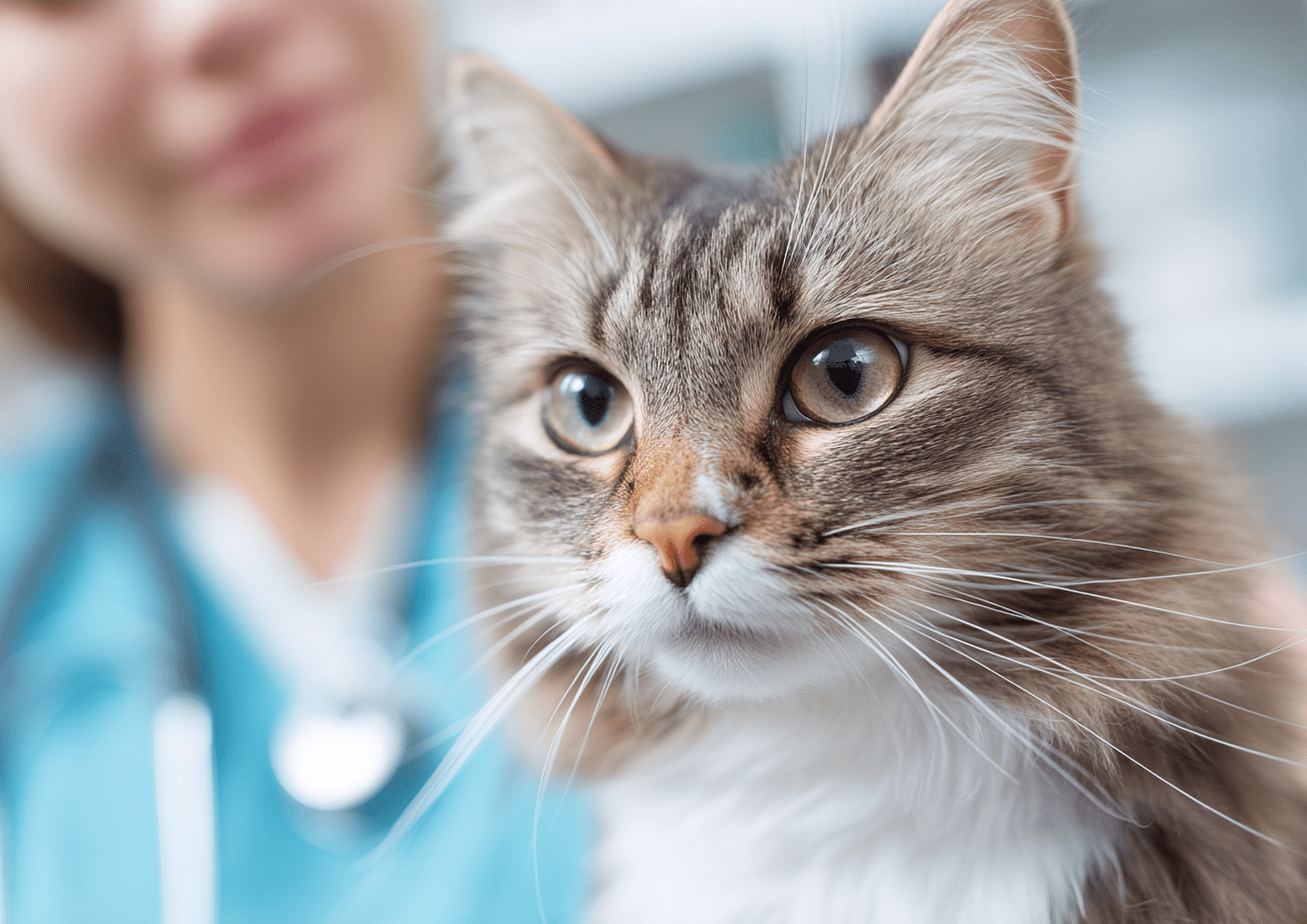
As New World screwworm concerns rise, the veterinary community must address these challenges. Veterinary clinics play a critical role in animal health, particularly in the United States, where this parasitic threat is becoming increasingly significant. In this post, we discuss the implications of New World screwworm infestations, drawing insights from the American Veterinary Medical Association (AVMA) experts. screw worm control strategies in veterinary care are essential for preventing the spread of this dangerous parasite. Veterinarians must stay updated on the latest treatment options and collaborate with agricultural sectors to implement effective measures. Proactive approaches are crucial for safeguarding livestock and minimizing economic losses in affected areas. The new world screwworm outbreak in Texas has prompted immediate action from local authorities and veterinarians alike. Increased surveillance and public awareness campaigns are essential to prevent further spread. Support from federal and state agencies will be crucial in providing the necessary resources to combat this emerging threat.
Understanding the New World Screwworm
The New World screwworm (Cochliomyia hominivorax) is a parasitic fly whose larvae invade the wounds of animals, causing severe tissue damage. This species was eradicated from the U.S. in the 1980s; however, recent reports indicate a resurgence. As veterinary professionals, it is essential to remain vigilant and informed about these developments.
Veterinarians must understand the lifecycle of the New World screwworm and its signs in infested animals. Early detection is critical for successful treatment and prevention. Therefore, robust disease management protocols are required in clinics. For example, thorough examinations of injured animals and monitoring for excessive maggot activity in wounds can aid in early identification.
Impact on Various Veterinary Practices
The concerns around New World screwworm affect multiple disciplines within veterinary clinics. General practice veterinarians should be prepared to educate pet owners about the risks of this infestation, especially in vulnerable populations such as dogs and cats that may wander outdoors. Education should involve explaining the lifecycle and health implications of the screwworm to clients.
In urgent care or emergency veterinary settings, the New World screwworm poses challenges during treatment protocols. For instance, an emergency veterinarian may need to manage severe infections resulting from delayed treatment of infested wounds. Thus, it is vital that emergency clinics incorporate visual and procedural checks for fly larvae during routine treatments for open wounds.
Operational Efficiency in Response
Veterinary clinics need operational efficiency to address the challenges posed by New World screwworm infestations. Clinics should implement standardized procedures for dealing with suspected cases. This includes training staff to recognize signs, handle infestations with proper sanitation protocols, and educate clients about prevention.
- Regularly educate staff: Offer training sessions on recognizing and managing New World screwworm cases.
- Enhance client communication: Provide literature that explains the risks associated with the New World screwworm and preventive measures clients can take.
- Implement strict sanitation guidelines: Ensure all tools and surfaces are disinfected to prevent cross-contamination.
Insights from AVMA Experts
Experts from the AVMA stress the importance of collaboration among veterinary professionals to combat New World screwworm infestations effectively. They emphasize the need to share case studies and successful intervention strategies. This collaboration will help build a more comprehensive understanding of the parasite’s impact on both domestic and food animals. Adopting new world screwworm management techniques can significantly enhance the effectiveness of intervention efforts. By utilizing the latest research and innovative practices, veterinary professionals can better equip themselves to address this critical issue. The ongoing exchange of knowledge and strategies is vital for safeguarding animal health and maintaining public safety.
Furthermore, community medicine veterinarians working in shelters or with rescue organizations should leverage this knowledge to educate pet owners in at-risk environments. This proactive approach will enhance community awareness and preparedness.
Conclusion
In conclusion, the rising threat of New World screwworm infestations demands immediate attention from veterinary clinics and clinical teams. By staying informed on the latest developments and operational strategies, clinics can better protect animal health. As a trusted partner, Pulivarthi Group is committed to helping veterinary practices access the specialized talent required to navigate this threat effectively. Whether you need an Associate Veterinarian, an Emergency Veterinarian, or a Veterinary Internal Medicine Specialist, we can connect you with the right professionals. Let’s work together to ensure a healthy future for our animal patients. The new world screwworm outbreak in Mexico highlights the need for proactive measures and collaboration among veterinary teams across borders. Increased awareness and rapid response can help mitigate the risks associated with this parasitic threat. By leveraging resources and expertise, we can enhance surveillance and preventive efforts to protect livestock and wildlife populations effectively.