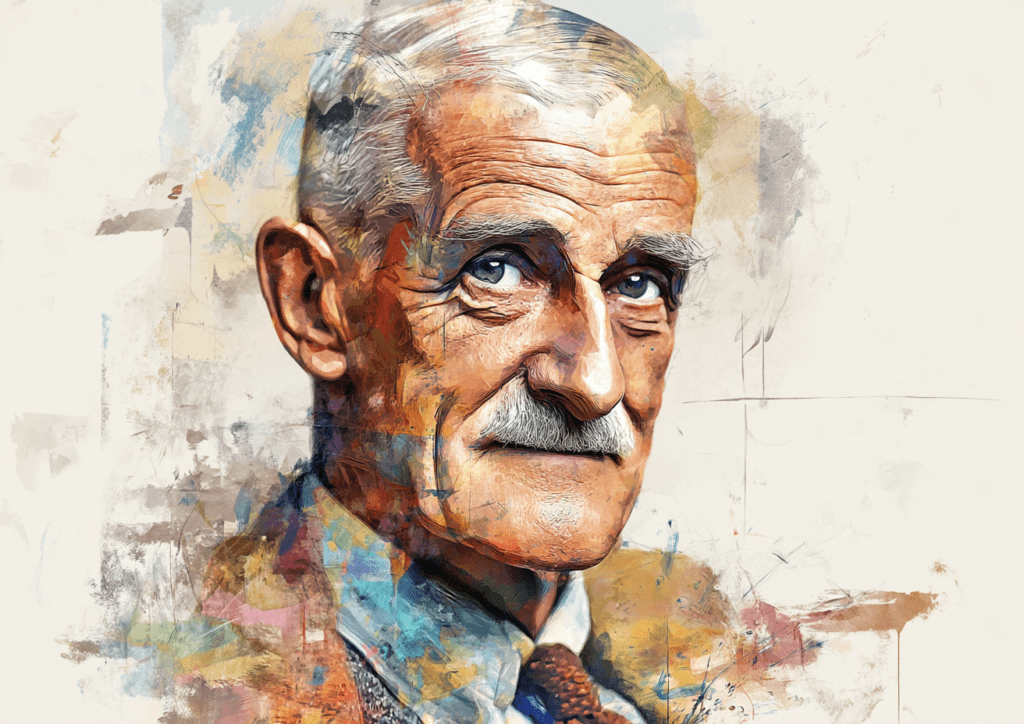
The resurgence of psychoanalysis in today’s society reveals a significant opportunity for mental health professionals to address the complex challenges brought on by political crises, authoritarianism, and collective trauma. Rooted in the foundational theories of Sigmund Freud, psychoanalysis offers profound insights into the subconscious mind and the impact of these societal pressures on mental health. Clinicians, including Clinical Psychologists, Psychiatric Mental Health Nurse Practitioners (PMHNPs), and Licensed Clinical Social Workers (LCSWs), must explore the implications of psychoanalytic principles in modern therapeutic settings.
Understanding the Resurgence of Psychoanalysis
Psychoanalysis, once sidelined in favor of more immediate therapeutic techniques, is experiencing a revival. This renaissance arises amid a backdrop of increased political unrest and mental health stigma. The unsettled landscape of contemporary society compels practitioners to revisit psychoanalytic theories as tools for understanding the unconscious motivations that drive human behavior. Mental health clinics and practices must adapt their methodologies to incorporate these insights, especially when dealing with patients affected by trauma.
Key Challenges Facing Mental Health Providers
Clinicians encounter numerous challenges as they navigate their roles in various care settings. Outpatient clinics, for instance, must balance the demand for therapeutic depth with the urgency of immediate care delivery. Professionals like Board Certified Behavior Analysts (BCBAs) and Psychiatrists can effectively implement psychoanalytic techniques to enhance the therapeutic alliance, facilitating deeper exploration of emotional issues.
Conversely, inpatient and rehabilitation facilities often focus on structured, short-term interventions. Such settings may benefit from understanding how collective trauma manifests in patients, thus providing a more nuanced approach to emotional and behavioral symptoms. Techniques rooted in Freudian psychology can inform treatment strategies, thereby improving patient outcomes.
Psychoanalysis in the Face of Authoritarianism
Political authoritarianism can significantly impact collective mental health. Regions with strained political landscapes—such as those in Europe and Argentina—exhibit heightened levels of anxiety and trauma among individuals. Mental health professionals must remain attuned to these cultural contexts. Using psychoanalysis to examine the implications of authoritarian rule allows practitioners to incorporate cultural sensitivity into their therapeutic practices.
This approach not only addresses individual patient needs but also fosters community healing by acknowledging shared experiences of distress. As a result, mental health practices can transform into spaces of resilience and resistance, thereby counteracting the effects of authoritarianism.
Operational Efficiency and Psychoanalytic Approaches
Incorporating psychoanalytic principles into operational frameworks can enhance efficiency. For example, training clinical teams in psychotherapeutic techniques related to the unconscious can lead to more effective therapy sessions. Practice owners and administrators should consider offering workshops that address these innovative practices, ensuring their teams are equipped to leverage psychoanalytic tools in both individual and group therapy settings.
Furthermore, engaging in ongoing education about the nuances of Freudian theory can empower licensed professionals, fostering deeper therapeutic connections that yield better patient outcomes.
Conclusion
The resurgence of psychoanalysis is not merely a theoretical novelty but a practical response to contemporary societal challenges. By integrating these insights into patient care, mental health facilities can enhance the therapeutic experience and improve outcomes. At Pulivarthi Group, we recognize the importance of aligning clinical expertise with effective mental health strategies. We help organizations access highly skilled professionals, including Clinical Psychologists, PMHNPs, BCBAs, and Psychiatrists, across diverse care settings. Partner with us to enhance your clinical teams and navigate the complexities of modern mental health care.