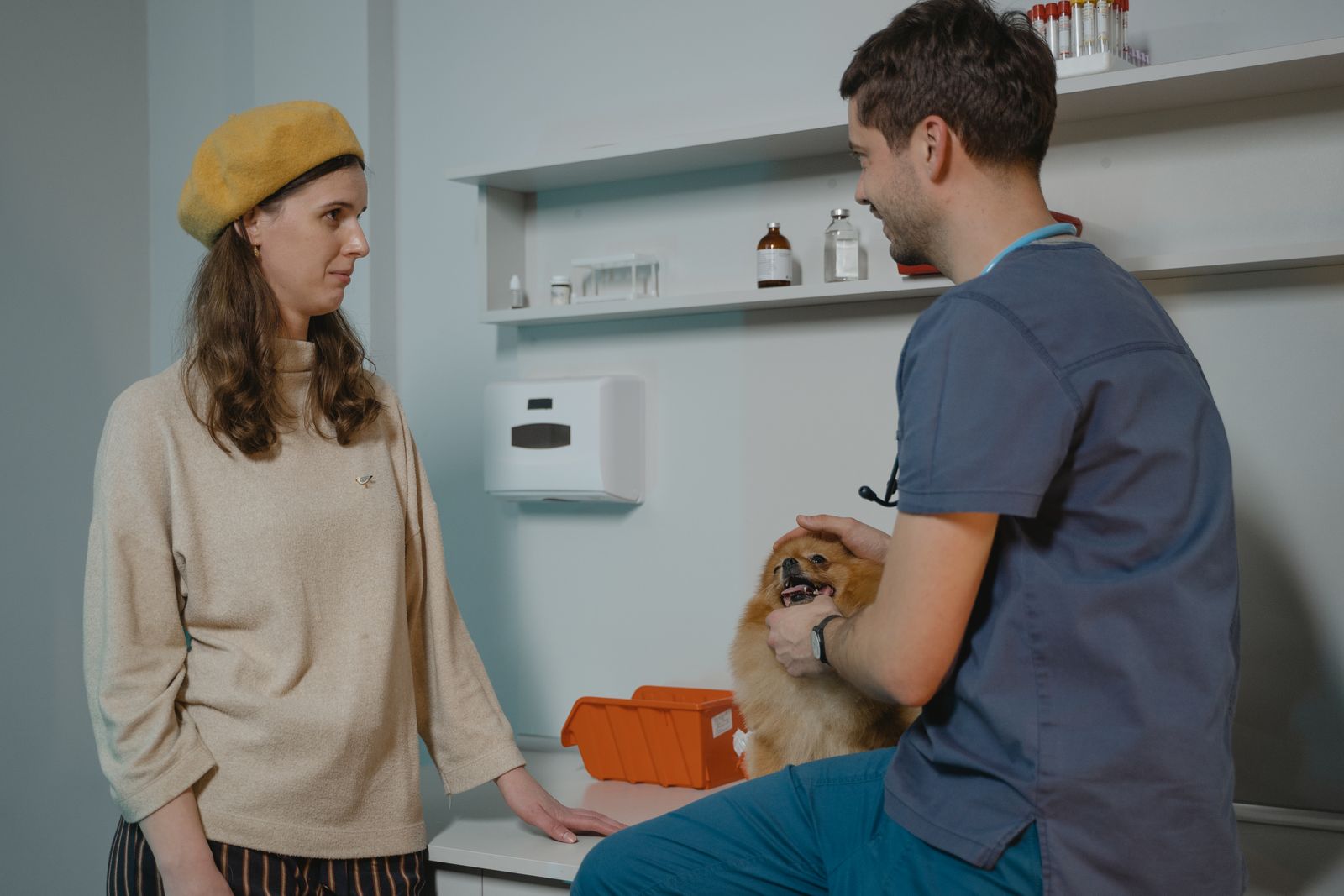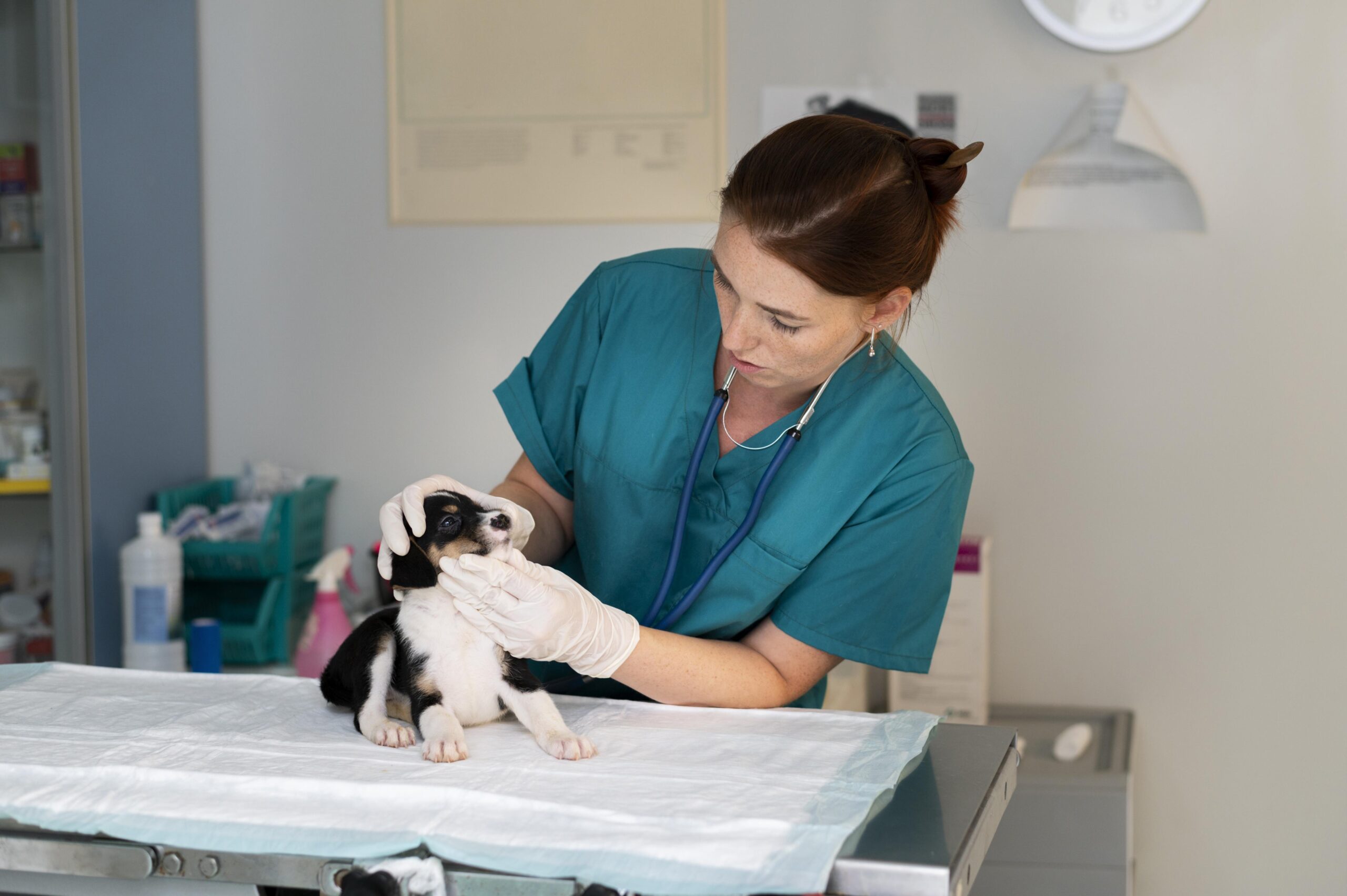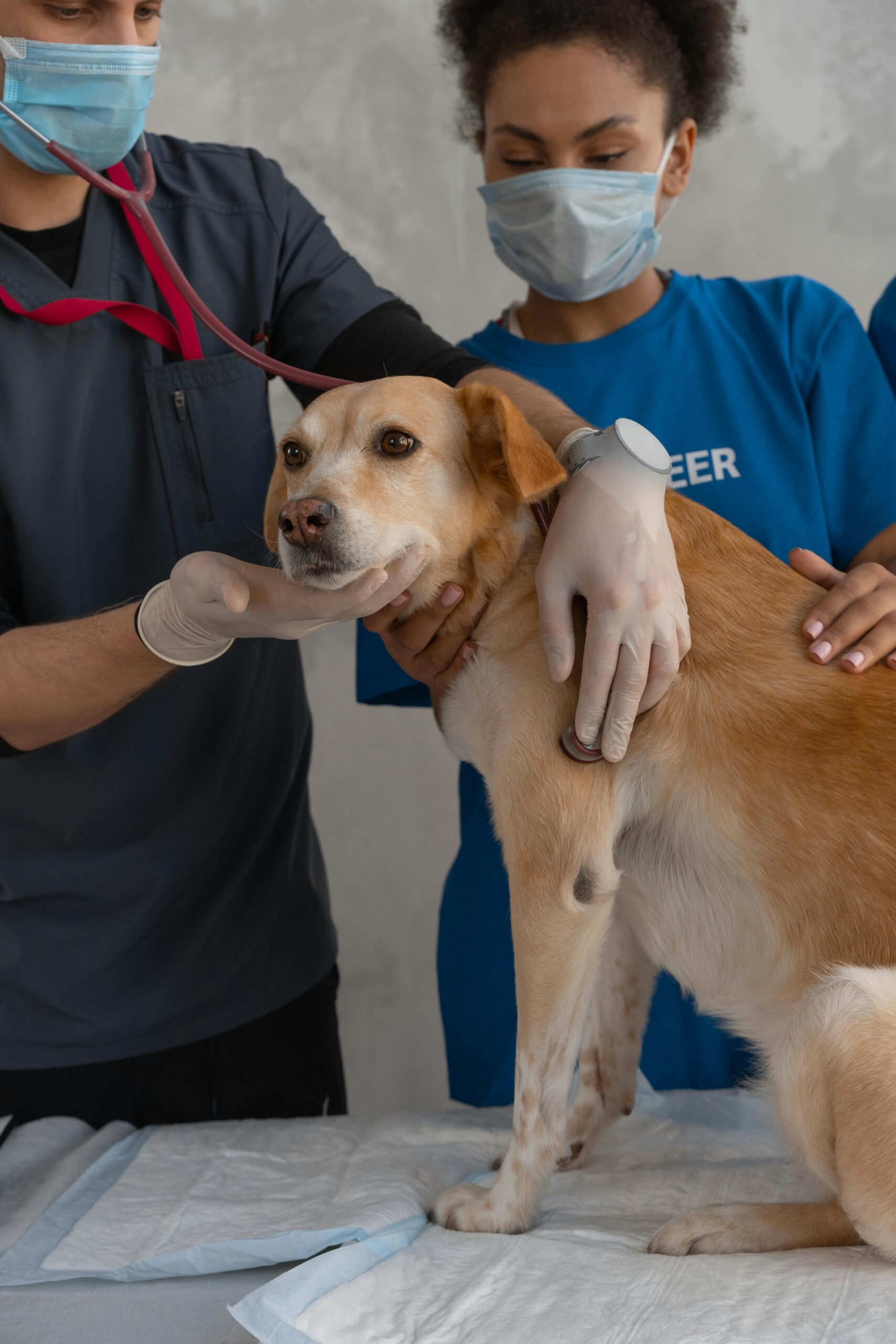
In the realm of veterinary medicine, veterinary dental efficiency is paramount. As veterinary clinics strive to enhance patient care, dental procedures often present unique challenges. These challenges include time constraints, safety concerns, and varying levels of staff training. Thus, optimizing dental efficiency and safety is not just a goal; it’s a necessity for veterinary clinics and their clinical teams. Understanding veterinary dental care basics is essential for ensuring the health and well-being of pets. By building a strong foundation in dental knowledge, veterinary professionals can effectively communicate the importance of oral health to pet owners. This fosters better compliance with recommended dental treatments and encourages regular check-ups, ultimately leading to improved patient outcomes.
1. Streamline Staff Training and Roles
Effective veterinary dental procedures start with well-trained staff. Ensure that all team members understand their roles during dental procedures. For instance, while Associate Veterinarians and General Practice Veterinarians focus on diagnosis, veterinary technicians play a crucial role in anesthesia monitoring and instrument preparation. Regular training sessions can help reinforce skills, such as proper intubation techniques, dental radiography, and instrument handling.
- Conduct quarterly training workshops.
- Create a checklist for each staff role during dental procedures.
- Encourage team collaboration for improved efficiency.
2. Utilize Modern Dental Equipment
Investing in high-quality dental tools can greatly enhance both efficiency and safety in veterinary practices. For example, digital radiography systems provide faster and clearer imaging, allowing for quicker diagnoses. Additionally, having well-maintained dental units and tools reduces the risks of complications or equipment failures during procedures. This can significantly benefit all veterinary roles, especially Emergency Veterinarians and Critical Care Veterinarians, who often deal with urgent dental cases.
- Evaluate your current dental equipment for age and performance.
- Consider digital testing methods for faster results.
3. Implement Efficient Appointment Scheduling
A well-organized scheduling system is vital for any veterinary clinic. Efficiently scheduling dental appointments can reduce wait times and improve patient flow. For instance, Urgent Care Veterinarians can prioritize urgent dental cases while spreading out routine procedures throughout the day. Use software that maximizes appointment blocks while allowing for unexpected emergencies. This flexibility benefits not only the patients but also the overall financial health of the practice.
- Adopt scheduling software that manages urgent cases effectively.
- Analyze appointment trends to optimize schedules during peak hours.
4. Focus on Dental Health Education
Educating clients about their pets’ dental needs fosters a culture of prevention. Techniques that promote dental health can include recommendations for at-home care like dental treats or brushing. Moreover, consulting with Community Medicine Veterinarians can enhance outreach, particularly in shelters or low-income communities, where dental health education is crucial. As a result, this can lead to fewer dental emergencies and surgeries, thus improving veterinary dental efficiency.
- Provide informational pamphlets on pet dental care.
- Host community seminars to highlight the importance of dental health.
5. Monitor and Adjust Your Protocols
Finally, monitoring the outcomes of your dental procedures is essential. Collect data on anesthesia complications, recovery times, and client satisfaction. Adjust protocols based on this data. For example, if certain sedation medications lead to longer recovery times, explore alternatives. This practice benefits all veterinarians, particularly those in emergency and critical care roles, who must ensure the highest safety standards.
- Establish a feedback system for staff and clients.
- Regularly review dental case outcomes to identify areas for improvement.
Conclusion
Improving veterinary dental efficiency and safety requires a multifaceted approach. By streamlining staff training, utilizing modern equipment, adopting efficient scheduling, educating clients, and continuously monitoring procedures, veterinary clinics can significantly enhance their dental services. As clinics adapt to current trends and challenges, Pulivarthi Group stands ready to support you in accessing highly skilled professionals, whether they are Associate Veterinarians, General Practice Veterinarians, or specialists in Veterinary Internal Medicine. Together, we can help elevate your clinic’s performance and patient care.