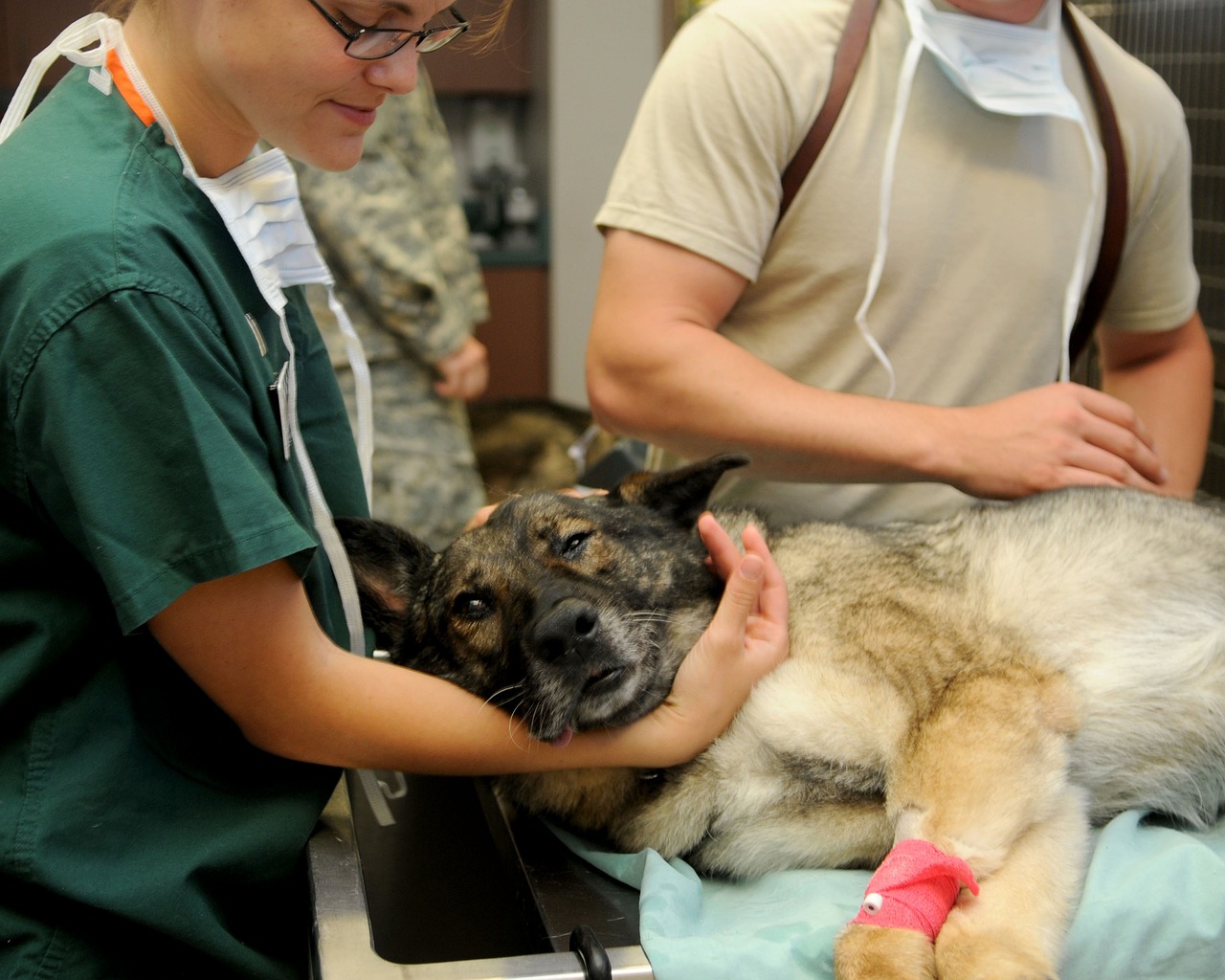
Evaluating forelimb lameness in pets is a critical skill for veterinarians and veterinary staff. Proper diagnostic techniques improve patient care and operational efficiency. Understanding the underlying causes of lameness enhances treatment outcomes. In this post, we will explore five structured steps to evaluate forelimb lameness effectively in pets.
1. Obtain a Detailed History
The first step in evaluating forelimb lameness involves gathering a comprehensive history from the pet owner. Ask targeted questions about the onset of lameness, activity levels, and any notable incidents or changes in the pet’s environment. This detailed history can pinpoint potential triggers, such as recent exercise changes or trauma.
2. Conduct a Thorough Physical Examination
After obtaining a history, perform a meticulous physical examination. Check for swelling, heat, or pain in the forelimb. Assess the range of motion and palpate the joints and bones. This examination can reveal crucial insights into conditions like osteoarthritis or fractures, for example. Take note of any asymmetry or abnormal gait patterns during your assessment.
3. Utilize Diagnostic Imaging
Diagnostic imaging is a vital tool in evaluating forelimb lameness. Radiographs can help identify fractures, joint issues, or bone anomalies. In some cases, advanced imaging like ultrasound or MRI might be necessary to delve deeper into soft tissue problems. By incorporating these techniques, a general practice veterinarian can make more informed decisions regarding treatment plans.
4. Consider Laboratory Testing
When evaluating lameness, it’s essential to consider laboratory tests. Blood tests can assist in diagnosing systemic conditions affecting mobility, such as infections or inflammatory diseases. For instance, a CBC might reveal underlying conditions that exacerbate lameness. Discussing these options with your clinical staff can streamline the diagnostic process.
5. Develop an Effective Treatment Plan
Once you have thoroughly evaluated the pet, develop a treatment plan tailored to the underlying diagnosis. This plan should address pain management, rehabilitation, and any necessary surgical interventions. Collaborate with veterinary technicians to create a comprehensive approach, ensuring consistent follow-up on the pet’s progress. Education for pet owners about care at home, such as exercises and activity restrictions, can also improve outcomes.
In conclusion, evaluating forelimb lameness in pets requires an organized and systematic approach. By gathering a detailed history, conducting a thorough physical exam, utilizing diagnostic imaging, considering laboratory tests, and creating an effective treatment plan, veterinary professionals can significantly improve their diagnostic capabilities. This structured method not only enhances patient care but also fosters operational efficiency in veterinary practice.
The Pulivarthi Group recognizes the challenges veterinary clinics face in accessing skilled talent. As experts in veterinary staffing, we connect clinics with qualified professionals across various specialties. Whether you need an Associate Veterinarian, an Emergency Veterinarian, or a Board-Certified Veterinary Internal Medicine Specialist (DACVIM), we are here to support your practice with top-notch talent. Partner with us to ensure your clinic excels in providing high-quality patient care.