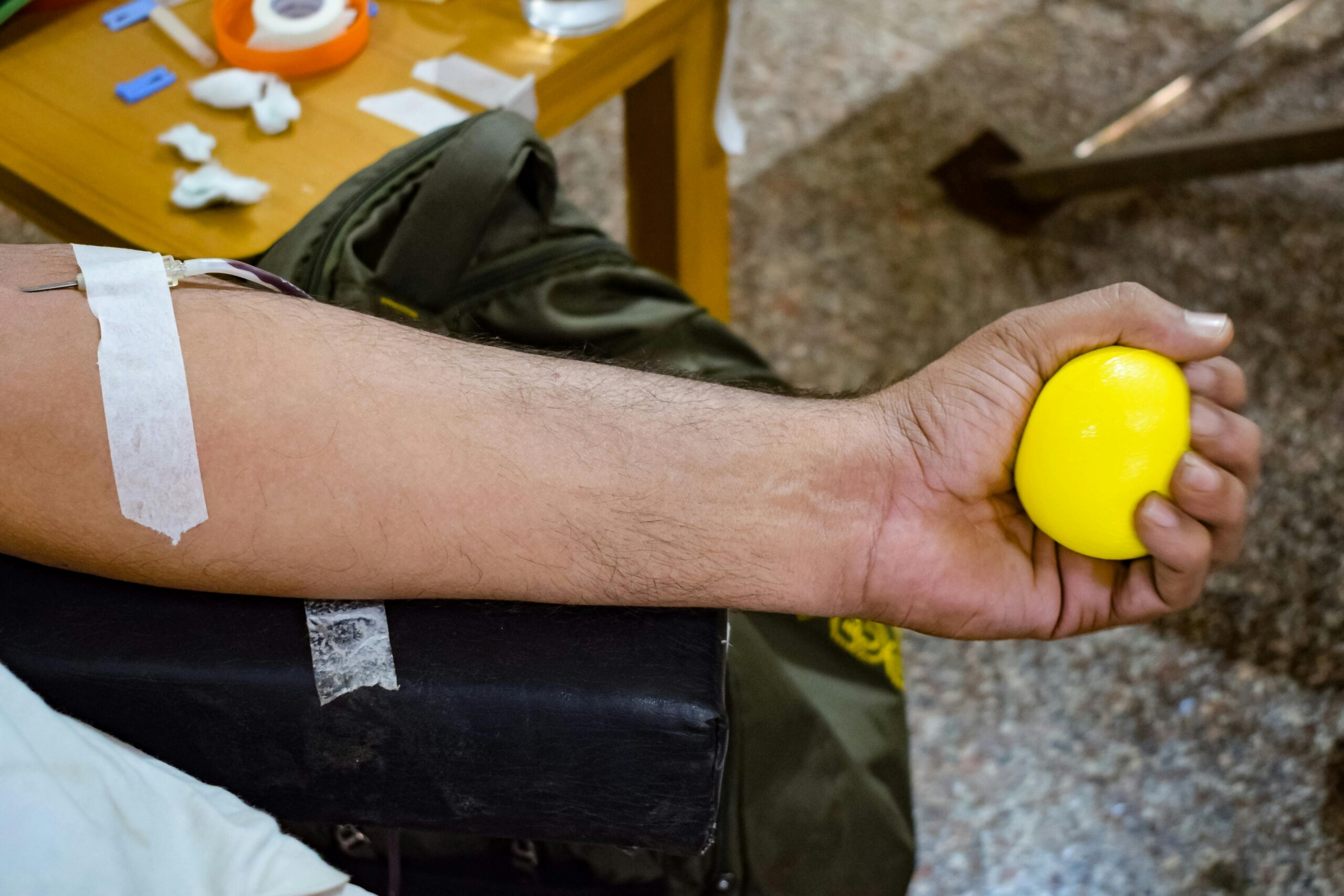
Hire Tissue Recovery Technician: Tissue Recovery Technicians play a critical role in the Blood & Organ Banks industry. These skilled professionals ensure that vital tissue is harvested efficiently and safely, making a difference in countless lives. By hiring top talent, organizations can enhance their operational effectiveness and improve their service delivery.
Why Hire a Tissue Recovery Technician?
Tissue Recovery Technicians are essential for ensuring optimal functioning within blood and organ banks. Their expertise directly contributes to better outcomes for patients and the organization.
- Improved Operational Efficiency: Hiring a Tissue Recovery Technician streamlines tissue collection and processing. Their specialized skills reduce errors and enhance workflow, helping organizations operate more smoothly.
- Enhanced Quality of Care: These technicians are trained to carry out procedures that adhere to stringent safety protocols. Their presence directly contributes to higher standards of care and compliance in the organ donation process.
- Cost Savings: Skilled technicians can minimize waste and maximize the use of collected tissues. Their expertise leads to better management of resources, ultimately saving money for the organization.
- Knowledge of Regulations: Tissue Recovery Technicians understand regulations affecting the industry. Their knowledge ensures organizations stay compliant and avoid costly penalties.
- Strengthened Recovery Teams: Skilled technicians foster teamwork and collaboration, boosting morale within recovery teams. A united team leads to better performance and more efficient tissue recovery efforts.
What Are the Types of Tissue Recovery Technician?
- Anatomical Donation Retrieval Tech: These technicians specialize in the safe extraction of anatomical tissues from donors. They ensure proper protocols are followed to maintain tissue viability, making their role crucial in the recovery process.
- Transplant Tissue Processor: These professionals prepare tissues for transplant. They clean, package, and store tissues while maintaining quality standards, which is vital for successful transplantation.
- Recovery Team Specialist: This type of technician oversees the operations of multiple recovery teams. They ensure teams are well-coordinated and follow established procedures, enhancing overall efficiency and care.
- Tissue Preservation Technician: These technicians focus on preserving donated tissue until it is utilized. Their skills in storage techniques help in maximizing the shelf life and usability of tissues.
- Tissue Bank Coordinator: This role involves managing the logistics of tissue collection and storage. Coordinators ensure that processes are efficient and compliant with industry standards.
Where to Find Tissue Recovery Technician?
- Online Job Boards: Posting on popular job boards increases visibility. However, these platforms can lead to unvetted candidates, delaying hiring processes.
- Staffing Agencies: Agencies like Pulivarthi Group provide pre-vetted candidates suited for specific roles. This reduces hiring time and effort for companies by presenting qualified individuals swiftly.
- Professional Networks: Connecting on platforms like LinkedIn opens doors to skilled technicians. The downside is that finding the right fit may take longer than using specialized staffing services.
- Industry Conferences: Attending conferences allows for direct interaction with potential hires. While impactful, the time commitment can be significant compared to other sourcing methods.
What Are the Challenges Faced While Hiring Tissue Recovery Technician?
- Difficulties in Assessing Skills: Evaluating the technical skills and clinical reasoning of candidates is often challenging. Poor assessments can lead to hiring less qualified technicians, negatively impacting care quality.
- Ensuring Cultural Fit: Cultural alignment is vital for teamwork. If technicians do not fit well with existing teams, it may lead to conflicts and reduced morale, affecting overall productivity.
- Managing High Turnover Rates: The high demand for skilled technicians often leads to turnover. Frequent hiring disrupts recovery operations and increases costs, impacting service delivery.
- Limited Candidate Pool: A narrow pool of qualified candidates makes recruiting challenging. Organizations may struggle to find the right fit, leading to prolonged vacancies and inefficiencies.
- Compliance Challenges: Ensuring that hired technicians meet all regulatory standards is critical. Oversights can lead to legal repercussions, affecting the organization’s reputation and operation.
What Qualifications and Licenses Must a Tissue Recovery Technician Have?
- Relevant Degree: A degree in a related field, such as biology or health sciences, provides essential foundational knowledge. This education aligns with the technical skills necessary for tissue recovery processes.
- Certifications: Certifications from recognized bodies verify that technicians possess required skills and knowledge. Having certified professionals ensures better adherence to industry standards.
- Experience in Related Roles: Previous experience in medical or recovery settings is often mandatory. This background allows for a deeper understanding of the procedures and challenges encountered.
- Licenses: Some states require specific licenses to practice as a Tissue Recovery Technician. Licensing ensures technicians meet local regulations, maintaining safety and quality standards.
Sample Tissue Recovery Technician Job Description
Job Overview: Tissue Recovery Technician to assist in the extraction and processing of anatomical tissues. The ideal candidate will ensure compliance with all protocols and enhance recovery operations.
Key Responsibilities: Carry out recovery procedures, maintain accurate records, and collaborate with medical staff. Ensure that all collected tissues are properly prepared and stored.
Required Skills: Strong attention to detail, problem-solving abilities, and teamwork skills. Technical knowledge of tissue types and preservation methods is essential.
Qualifications: Degree in health-related fields, relevant certifications, and minimum of 1 year experience in similar roles.
Tissue Recovery Technician Interview Questions: What to Ask Tissue Recovery Technician at the Interview
- What protocols do you follow during a tissue recovery? This question helps assess the candidate’s knowledge of procedures and adherence to safety standards.
- Can you describe your experience with anatomical donation procedures? Understanding a candidate’s hands-on experience provides insight into their practical skills.
- How do you handle stressful situations during recovery? This question evaluates a candidate’s resilience and ability to work under pressure, which is crucial in this field.
- What do you do to stay updated on industry regulations? Keeping up-to-date shows commitment to professional growth and adherence to changing standards in the industry.
- How do you ensure teamwork during a recovery operation? This question assesses communication and collaboration skills, vital for successful tissue recovery.
When Should I Hire a Tissue Recovery Technician?
Consider hiring a Tissue Recovery Technician during peak project demands or when expanding services. Additionally, if there are critical skill gaps in your current team, bringing in specialized talent is essential. Organizations may also need to fill vacancies due to high turnover, ensuring minimal disruption to recovery operations.
How Can I Test Tissue Recovery Technician Skills?
- Conduct Role-Specific Assessments: These assessments directly evaluate the skills required for the job. They help identify candidates who are proficient in key responsibilities.
- Assign Real-World Tasks: Giving candidates realistic tasks during interviews reveals their problem-solving abilities and technical knowledge. This method provides authentic insights into their capabilities.
- Review Past Project Outcomes: Evaluating a candidate’s previous work allows for understanding their experience and success in similar roles. Insight into past successes can predict future performance.
- Conduct Simulation Exercises: Role-playing scenarios can test a candidate’s reaction in high-pressure situations. This method helps gauge both technical skills and how they perform under stress.
How to Conduct an Effective Cultural Fit Assessment for Tissue Recovery Technician?
- Ask Situational Questions: Inquire about how candidates handle specific scenarios. This method reveals their judgment and alignment with the organization’s values.
- Review Alignment with Company Values: Check if candidates’ personal and professional values match the organization. Alignment is essential for long-term job satisfaction and productivity.
- Involve Team Members in the Interview Process: Including current team members in interviews can ensure there is a mutual fit. Team feedback is valuable for assessing compatibility.
- Conduct Personality Assessments: Using tools that evaluate personality traits can help ensure candidates’ attributes align with the team’s dynamics.
What Is the Average Salary of a Tissue Recovery Technician in the US?
The average salary for a Tissue Recovery Technician in the US ranges from $45,000 to $65,000 per year, depending on experience and location. Certain regions or specialized industries may offer higher salaries due to increased demand. Notably, urban areas tend to have more competitive salary offerings, reflecting the cost of living and local market conditions.
What Are Some Tissue Recovery Technician-Specific SOPs, and How to Create Them?
- Tissue Collection Protocol: This SOP outlines the steps for safe and efficient tissue recovery. It ensures that every technician follows the same standards, guaranteeing quality and compliance.
- Processing and Preservation Procedures: This document details how to prepare and store tissues correctly. It is vital for maintaining the viability and safety of donated tissues.
- Emergency Response Plan: It describes steps to take in case of accidents or complications during recovery. Clarity in such procedures aids staff in managing crisis situations effectively.
- Quality Control Guidelines: These guidelines ensure continuous monitoring of practices and adherence to standards. They aid in identifying and rectifying issues promptly.
How to Retain Tissue Recovery Technician Effectively?
- Offer Competitive Benefits: Providing attractive benefits encourages technicians to stay. These can include health insurance, retirement plans, and flexible schedules, enhancing job satisfaction.
- Foster a Supportive Work Environment: Creating a positive atmosphere promotes loyalty. Encouraging teamwork and open communication enhances relationships within the team.
- Provide Professional Development Opportunities: Offering training and advancement can motivate technicians. Investing in their careers shows commitment, leading to higher retention rates.
- Recognize and Reward Contributions: Acknowledging hard work boosts morale and job satisfaction. Regular recognition ensures technicians feel valued and appreciated for their efforts.
Hire Tissue Recovery Technicians with Pulivarthi Group
Partnering with Pulivarthi Group offers you access to pre-vetted, skilled Tissue Recovery Technicians who can significantly enhance your operations. Our expertise in staffing solutions ensures that you find the right candidates quickly and efficiently. By choosing us, you can achieve your business goals while reducing hiring costs and improving service delivery in the Blood & Organ Banks industry.