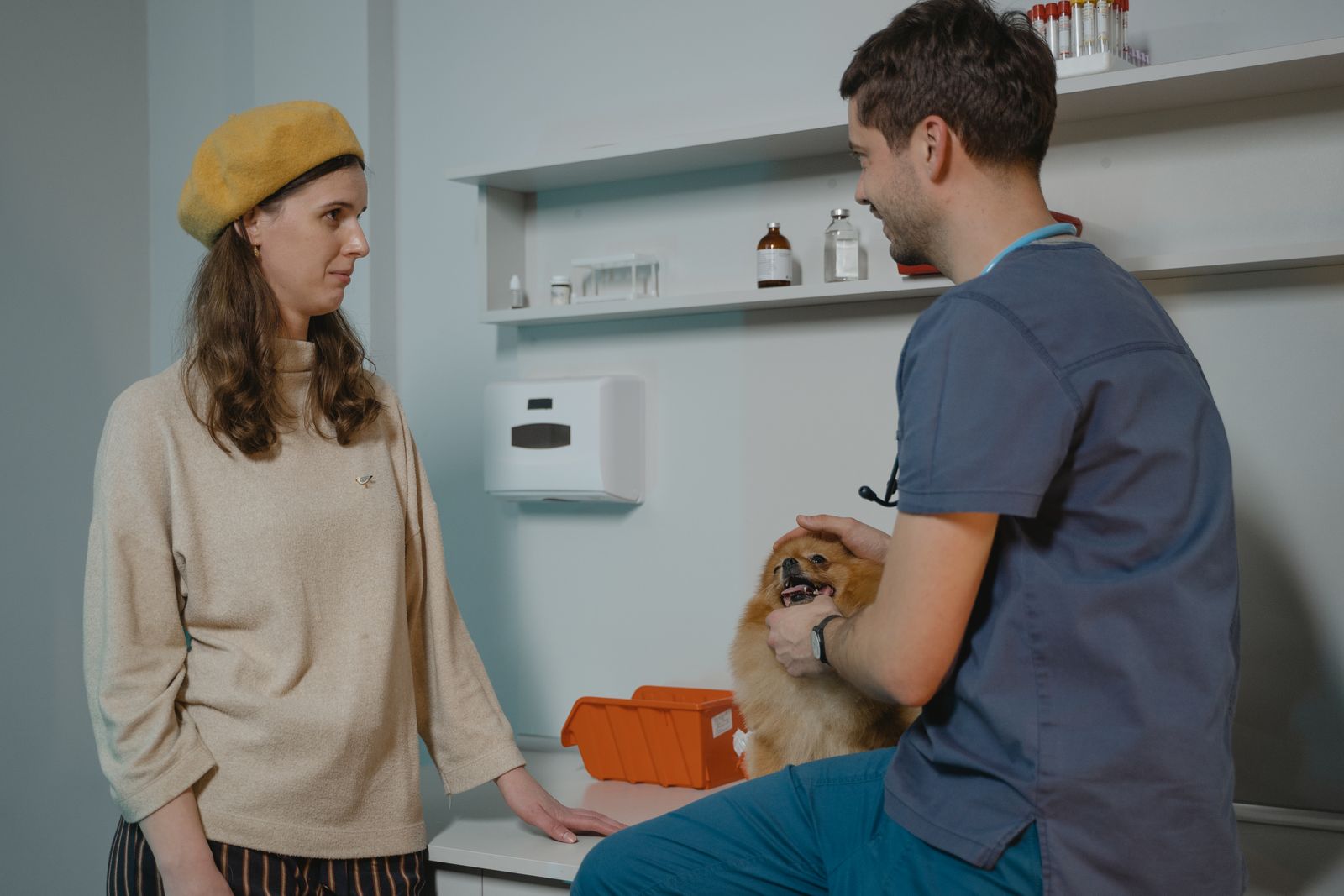
Hire a General Practice Veterinarian: the Role Everything Else Depends On
Hiring a General Practice Veterinarian is no longer a routine staffing task. Today, clinics, hospitals, and animal care organizations face intense competition for experienced veterinarians who can manage full caseloads, maintain care standards, and sustain long-term retention. If you are actively looking to hire a General Practice Veterinarian, you are likely already experiencing longer vacancies, declining candidate quality, or operational strain caused by understaffing.
This page is built specifically for employers who need to hire qualified, practice-ready General Practice Veterinarians—not students, not new grads browsing careers, and not casual job seekers. If your goal is to fill a revenue-critical veterinary role efficiently and compliantly, this page addresses exactly what matters.
Role Overview
A General Practice Veterinarian is the clinical backbone of most veterinary practices. Unlike specialists who focus on narrow disciplines, general practice veterinarians manage a broad scope of medical, surgical, and preventive care responsibilities across companion animals.
In a real-world practice environment, a General Practice Veterinarian is responsible for conducting wellness exams, diagnosing illnesses, developing treatment plans, performing routine surgeries, prescribing medications, and educating pet owners. Beyond clinical care, they are also expected to manage medical records, collaborate with veterinary technicians, uphold regulatory compliance, and contribute to the overall efficiency of the practice.
From an employer’s perspective, this role directly impacts:
Daily appointment throughput
Client satisfaction and retention
Revenue per visit
Staff morale and workflow balance
Risk exposure related to compliance and documentation
Most practices rely on General Practice Veterinarians to handle high patient volumes while maintaining quality of care. When this role is unfilled or underfilled, clinics often experience appointment backlogs, increased overtime costs, burnout among remaining staff, and lost revenue opportunities.
Hiring Challenges
Hiring a General Practice Veterinarian has become increasingly difficult due to multiple compounding factors affecting the veterinary labor market.
One of the most significant challenges is supply-demand imbalance. The demand for veterinary services has increased sharply due to higher pet ownership rates, expanded preventive care standards, and rising client expectations. However, the number of experienced General Practice Veterinarians entering the workforce has not kept pace.
Another major challenge is burnout and turnover. General practice veterinarians often manage heavy caseloads, emotional client interactions, and long hours. Many experienced veterinarians leave clinical practice entirely or shift to non-clinical roles, reducing the available talent pool even further.
Credentialing and licensing delays also slow hiring timelines. Even when a candidate is identified, state licensure transfers, DEA registration, and background verification can delay start dates by weeks or months. Employers often underestimate how these delays impact time-to-fill.
Geographic constraints further complicate hiring. Rural and suburban practices frequently struggle more than urban clinics, while multi-location groups compete aggressively for the same limited candidates. Salary inflation and sign-on incentives have also made it harder for independent practices to compete.
As a result, employers attempting to hire independently often face:
Vacancies lasting 90–180 days or more
Candidates with mismatched experience levels
High counteroffer risk
Early-stage attrition within the first year
Qualification Criteria
When employers say they want a “qualified” General Practice Veterinarian, the definition must go beyond basic education.
At a minimum, a qualified General Practice Veterinarian must hold:
A Doctor of Veterinary Medicine (DVM or VMD) degree from an accredited institution
An active or eligible state veterinary license
DEA registration (or eligibility to obtain one)
However, true job readiness depends on additional factors. Employers should prioritize candidates with hands-on experience in general practice environments, particularly those comfortable managing full appointment schedules independently.
Key qualification considerations include:
Experience with preventive care, diagnostics, and treatment planning
Proficiency in routine surgical procedures such as spays, neuters, and dental cleanings
Familiarity with electronic medical records and practice management systems
Strong client communication and case explanation skills
For practices with higher case complexity, experience with urgent care, internal medicine, or geriatric care may also be essential. New graduates can be viable hires, but only when proper mentorship and onboarding resources are in place.
Clearly defining qualification criteria early helps employers avoid misaligned hires and reduces early-stage turnover.
Screening Checklist
Effective screening is critical when hiring a General Practice Veterinarian, especially in a competitive market where rushed decisions often lead to poor outcomes.
Employers should verify:
Active licensure status and any disciplinary history
Educational credentials and graduation timelines
Clinical experience relevant to the practice’s case mix
Comfort level with appointment volume and surgical expectations
Red flags during screening may include unexplained employment gaps, reluctance to discuss caseload management, or frequent job changes without clear rationale. Poor documentation habits and limited client communication skills are also common indicators of future performance issues.
Beyond credentials, cultural fit matters significantly. A General Practice Veterinarian must work closely with technicians, support staff, and practice leadership. Candidates who struggle with collaboration or resist standardized protocols often disrupt workflows.
A structured screening checklist ensures consistency, reduces bias, and protects the practice from compliance and performance risks.
Interview Questions
Interviewing a General Practice Veterinarian should focus on real-world scenarios rather than generic clinical knowledge.
Effective questions include:
How do you manage a fully booked appointment schedule while maintaining care quality?
Describe a complex case you handled independently and how you communicated the outcome to the client.
How do you approach treatment recommendations when clients have financial constraints?
What steps do you take to ensure accurate medical documentation under time pressure?
How do you collaborate with technicians during high-volume days?
Scenario-based questions help employers assess decision-making, stress tolerance, and communication style. They also reveal whether candidates are aligned with the pace and expectations of general practice environments.
Time-to-Fill Benchmarks
The average time to hire a General Practice Veterinarian has increased significantly over the past few years.
For most practices:
Standard hiring timelines range from 90 to 150 days
Urgent vacancies may extend beyond 180 days without external support
Rural or high-volume practices often experience longer delays
Every unfilled veterinarian role carries measurable costs. Lost appointment revenue, reduced service capacity, increased overtime, and declining client satisfaction all compound over time.
Employers who set realistic time-to-fill benchmarks and engage specialized hiring support early are more likely to secure qualified candidates before competitors do.
CTA Section
If you are actively trying to hire a General Practice Veterinarian, waiting longer will not improve candidate availability. The market is tight, and qualified veterinarians are hired quickly when opportunities align with their experience and expectations.
Whether you need immediate coverage, long-term stability, or support navigating licensing and credentialing complexities, the right hiring strategy makes the difference between prolonged vacancies and successful placements.
Book a confidential consultation today to discuss your General Practice Veterinarian hiring needs, availability timelines, and role requirements. A focused conversation now can save months of lost revenue and operational strain later.
Define the Caseload Before You Advertise — GP Means Five Different Jobs
Practices that hire a general practice veterinarian without specifying the caseload get applications from clinicians expecting something else. The single biggest variable is the surgery-to-consult ratio, and it is the first thing candidates screen on.
| Model | Typical day | Suits |
|---|---|---|
| Wellness-weighted | Preventive care, vaccination, diagnostics; limited surgery | Clinicians who prefer client relationships and medicine over the table |
| Full-service GP | Consults plus a dedicated surgery day: spays, neuters, dentals, mass removals | The commonest expectation and the broadest pool |
| Surgery-heavy | High routine surgical volume, sometimes soft tissue beyond routine | Confident surgeons; needs stated explicitly or you will lose people |
| GP with after-hours | Daytime GP plus emergency or on-call obligation | Shrinks the pool considerably — price and state it honestly |
New Graduate or Experienced — and the Mentorship Promise That Must Be Real
General practice is where most new graduates land, and where most early-career attrition happens. The failure pattern is consistent: a practice promises mentorship it has no capacity to deliver, the new graduate is left alone on difficult cases, confidence collapses, and they leave inside a year.
Before advertising a new graduate role, be able to name who is mentoring, on which days they are physically present, and what happens on a hard case at 5pm. If you cannot answer that, hire experienced — it is cheaper than replacing someone twice.
What Candidates Ask About, in the Order They Ask
- Appointment length. Ten-minute consults versus twenty is the difference between two different professions. Say which.
- Daily appointment count and whether the schedule double-books.
- Surgery day structure — dedicated day, or surgery squeezed between consults.
- Technician support ratio. The strongest single predictor of whether a GP stays.
- Compensation structure — base, ProSal percentage, true-up frequency, and whether the base is recoverable.
- On-call and weekend obligation, and how it is paid.
- Autonomy — practice standards versus clinical freedom, and who arbitrates.
- Equipment — in-house lab, digital radiography, ultrasound, dental radiography.
The Realistic Market Position
General practice veterinarians are in structural short supply across the US, which means candidates compare offers rather than compete for them. Practices that win are not usually the highest payers — they are the ones that answer the list above precisely in the advert, publish a pay band, and are honest about the parts of the role that are hard. Vagueness reads as something to hide.
What We Verify Before a Shortlist
- Active, unrestricted DVM or VMD licence in the state of practice, plus DEA and state controlled-substance registration.
- Documented surgical experience by procedure with recent volumes, not self-reported comfort.
- Species and caseload mix matched to your patient population.
- Practice management software already used, since onboarding time is a real cost.
- Genuine availability for your appointment model and on-call pattern.
What You Get When You Hire Through Pulivarthi Group
General practice is the tightest veterinary market in the country. Precision in the role brief is what converts candidates, and that is where we start.
- First qualified candidates within 48 hours of an approved role brief.
- Credentials verified before shortlist, never after — licences, board certifications and registrations are checked up front.
- Five engagement models: direct hire, contract, contract-to-hire, locum or relief, and managed coverage.
- No mandatory exclusivity — you can run us alongside your own sourcing.
- Replacement guarantee on permanent placements.
Frequently Asked Questions
How many appointments should a general practice veterinarian carry?
It depends on appointment length and support staffing. What matters more for retention is whether the advertised caseload matches reality — mismatch here is one of the most common reasons a general practice hire leaves inside a year.
Do we need a surgeon, or can a general practitioner cover routine surgery?
Most general practice veterinarians handle routine soft tissue and dental work. If your caseload includes orthopaedics or complex soft tissue, you either need a surgeon or a clear referral pathway — we scope this before the search.
How long does it take to fill a general practice veterinarian role?
Metropolitan roles fill faster than rural ones. The strongest predictor is how specific the practice is about surgery-to-consult ratio, out-of-hours expectations and mentorship on offer.