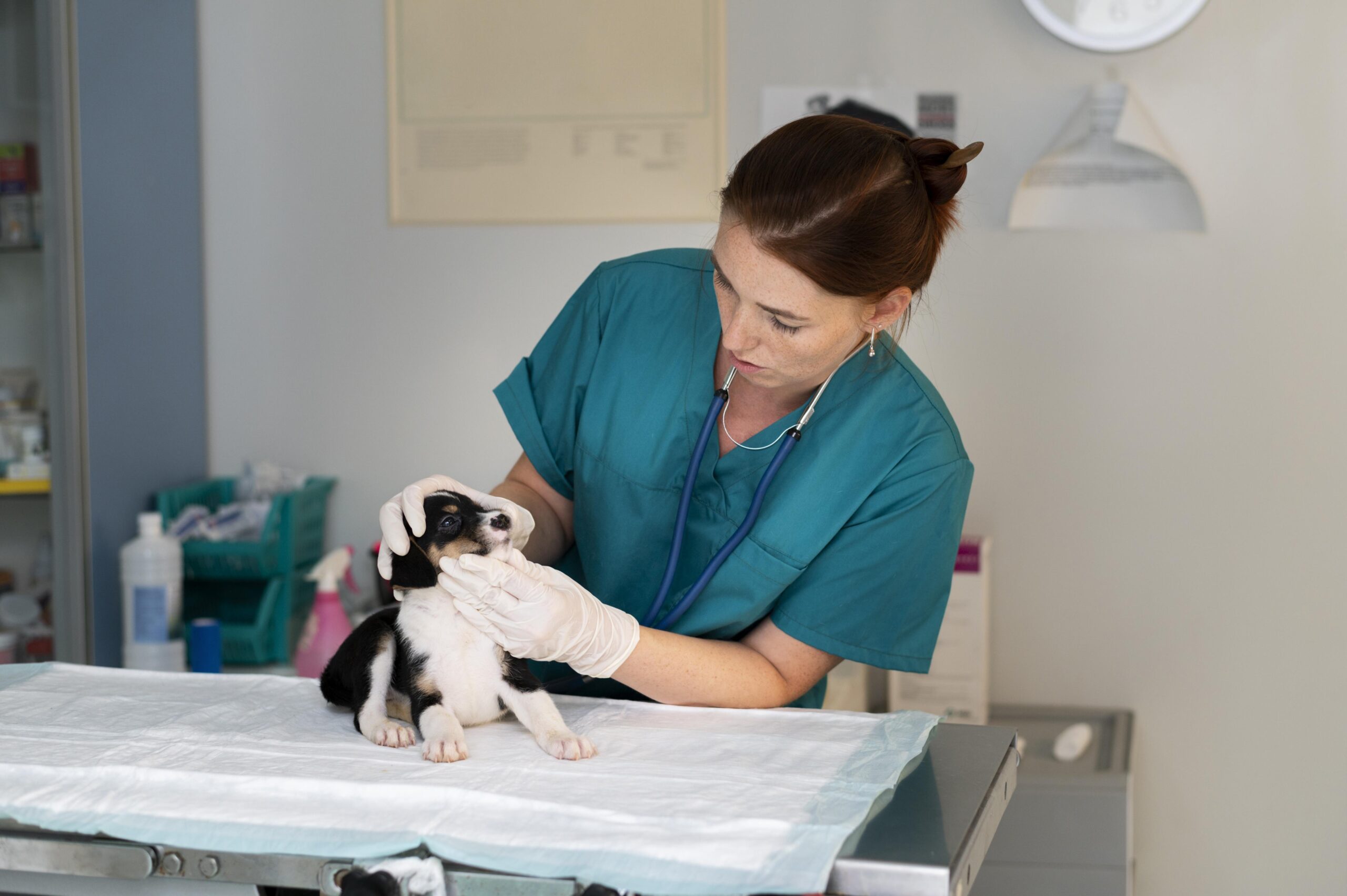
Hiring a Community Medicine Veterinarian has become a strategic necessity for organizations serving underserved populations, public health initiatives, nonprofit clinics, municipal programs, and outreach-based veterinary services. These roles sit at the intersection of clinical care, population health, access equity, and public trust. If you are actively trying to hire a Community Medicine Veterinarian, you are likely navigating rising community demand, limited funding models, and a narrow pool of veterinarians equipped for this work.
This page is written specifically for employers and organizations that need to hire experienced, field-ready Community Medicine Veterinarians—not traditional private-practice clinicians exploring mission work casually, and not candidates unfamiliar with high-volume, low-cost care environments. If your program depends on sustainable access to veterinary services, this role is critical.
Role Overview
A Community Medicine Veterinarian delivers accessible veterinary care through community-based clinics, mobile units, nonprofit programs, and public health partnerships. Unlike traditional practice roles, this position prioritizes population-level impact, preventive care, and barrier reduction rather than high-margin procedures.
In real-world settings, Community Medicine Veterinarians typically:
Provide low-cost wellness exams and preventive care
Administer vaccinations and parasite control
Perform high-volume spay and neuter surgeries
Treat common medical conditions in resource-limited settings
Deliver care through mobile clinics and outreach events
Educate pet owners on basic health, nutrition, and disease prevention
Collaborate with public health agencies, shelters, and nonprofits
From an employer perspective, this role directly impacts:
Community access to veterinary services
Reduction in shelter intake and animal overpopulation
Public health and zoonotic disease prevention
Program credibility and donor or municipal confidence
Long-term sustainability of outreach initiatives
Because Community Medicine Veterinarians often work outside traditional clinic environments, they must balance efficiency, adaptability, and compassion. When this role is vacant or misfilled, organizations experience service gaps, missed grant deliverables, increased shelter burden, and community trust erosion.
Hiring Challenges
Hiring a Community Medicine Veterinarian presents unique challenges that differ sharply from private-practice recruitment.
One of the primary challenges is role misalignment. Many veterinarians express interest in mission-driven work but underestimate the pace, volume, and constraints of community medicine. This leads to early burnout or attrition when expectations are not clearly defined during hiring.
Compensation structures also create hiring friction. Community medicine roles are often funded through grants, municipal budgets, or nonprofit revenue, limiting flexibility compared to corporate or specialty practices. This narrows the candidate pool to veterinarians who value mission alignment alongside compensation stability.
Another major challenge is skill specificity. Community Medicine Veterinarians must be proficient in high-volume spay/neuter, preventive care protocols, and rapid clinical decision-making. Candidates without experience in shelter medicine, nonprofit clinics, or outreach programs often struggle to adapt.
Additional hiring challenges include:
Vacancies lasting 120–180 days or longer
Candidates lacking high-volume surgical experience
Early turnover due to emotional or operational fatigue
Difficulty staffing mobile or off-site clinics
These realities make passive job postings ineffective and increase the risk of costly mis-hires that disrupt program continuity.
Qualification Criteria
Defining “qualified” is essential when hiring a Community Medicine Veterinarian, as traditional clinical credentials alone are insufficient.
Minimum qualifications include:
Doctor of Veterinary Medicine (DVM or VMD) degree from an accredited institution
Active or eligible state veterinary license
DEA registration or eligibility
Beyond licensure, employers should prioritize candidates with:
Experience in community clinics, nonprofit practice, or shelter medicine
High-volume spay/neuter proficiency
Strong preventive care and population medicine knowledge
Comfort working in mobile or non-traditional settings
Cultural competency and strong client education skills
Experience working with limited-resource clients and multilingual communities is often critical. Candidates must be able to make sound medical decisions within budgetary constraints while maintaining ethical and welfare standards.
Clear qualification criteria protect organizations from hiring candidates who are clinically capable but operationally unprepared for community medicine realities.
Screening Checklist
Screening a Community Medicine Veterinarian requires a structured approach that evaluates both clinical readiness and mission alignment.
Employers should validate:
Active licensure and disciplinary history
Experience in high-volume or low-cost care environments
Surgical efficiency and complication rates
Comfort with outreach, mobile clinics, or fieldwork
Ability to educate clients with limited veterinary knowledge
Red flags during screening include:
Discomfort with high patient throughput
Lack of experience in spay/neuter or preventive-only models
Resistance to standardized protocols
Short tenure in prior mission-driven roles without explanation
Behavioral screening is critical. Community Medicine Veterinarians must collaborate with outreach staff, volunteers, public agencies, and partner organizations. Candidates who struggle with communication or flexibility often fail in decentralized care models.
Interview Questions
Interviewing a Community Medicine Veterinarian should focus on applied judgment, adaptability, and mission-driven decision-making.
Effective interview questions include:
Describe your experience working in community-based or low-cost clinics.
How do you maintain care quality during high-volume spay/neuter days?
Walk us through a case where you had to work within strict resource limits.
How do you approach client education in underserved communities?
What strategies do you use to prevent burnout in mission-driven roles?
Scenario-based questions help employers determine whether candidates can succeed in fast-paced, resource-constrained environments without compromising care standards.
Time-to-Fill Benchmarks
Time-to-fill for Community Medicine Veterinarians is typically longer than general practice roles due to specialization and limited candidate supply.
Common benchmarks include:
Standard hiring timelines of 120–180 days
Mobile or rural programs extending beyond 200 days
Leadership or program-building roles taking even longer
Each unfilled month can result in:
Reduced service reach and canceled clinics
Increased shelter intake and overcrowding
Missed grant or municipal performance targets
Higher strain on remaining staff and volunteers
Organizations that delay hiring or rely on general recruitment methods often experience compounding operational and reputational risks.
CTA Section
If you are actively trying to hire a Community Medicine Veterinarian, precision matters. This role is foundational to program success, public trust, and long-term community impact. Delayed or misaligned hiring can set outreach initiatives back by months or years.
A successful hire requires specialized screening, clear expectation setting, and access to veterinarians who are both clinically capable and mission-aligned.
Book a confidential consultation today to discuss your Community Medicine Veterinarian hiring needs, program scope, and timelines. A focused conversation now can reduce time-to-fill, improve retention, and strengthen your community impact.
Access-to-Care Practice Is Not General Practice at a Lower Price
Community medicine veterinarians work in a genuine clinical discipline: high-volume spay and neuter, preventive care at accessible price points, and treatment planning constrained by what a client can actually afford. The skill is incremental care — finding the best available option rather than the ideal one — and it is not something every general practitioner is trained or temperamentally suited to do.
Recruiting for it as if it were discounted general practice attracts the wrong candidates and loses the right ones.
Surgical Volume Expectations Need Real Numbers
High-volume high-quality spay and neuter is a distinct competency with its own technique and pace. A veterinarian who has done twenty sterilisations in a day works differently from one who has done four. If your model depends on volume, state the daily target, and be clear about surgical support, anaesthesia monitoring and recovery staffing. Candidates evaluate the whole system, not the number in isolation.
Why This Role Retains or Does Not
Community medicine attracts veterinarians with strong mission commitment, which is exactly why burnout is the retention risk rather than pay. The factors that hold people are realistic caseload caps, genuine support staffing, and leadership that does not treat moral distress as a personal resilience problem. We raise these in scoping because they predict two-year retention better than salary does.
What We Verify Before a Shortlist
- Active state licence, DEA registration and standing
- High-volume surgical experience with actual daily numbers
- Comfort with incremental and spectrum-of-care decision making
- Shelter, non-profit or access-to-care setting history
- Client communication in financially constrained conversations
- Mentorship capability where the role supports newer veterinarians
What You Get When You Hire Through Pulivarthi Group
- Candidates screened for genuine access-to-care motivation, not just availability
- Surgical volume capability verified with real figures
- Honest framing of caseload and support to protect retention
- Coverage across permanent, relief and clinic-launch arrangements
Frequently Asked Questions
Can a general practice veterinarian move into community medicine?
Often yes, and many do it well. The adjustments are surgical pace and comfort with treatment plans that are not the textbook option. We screen for willingness on both rather than assuming a GP background transfers automatically.
How long does it take to fill a community medicine veterinarian role?
The pool is small but genuinely motivated, and mission-led adverts perform well. Roles that lead on the access-to-care purpose fill faster than ones that read as a discounted general practice post.
What surgical volume should we expect?
It varies widely with support staffing and clinic layout. Rather than benchmarking against another organisation, we scope what your theatre, anaesthesia support and recovery capacity can realistically sustain, then recruit to that.