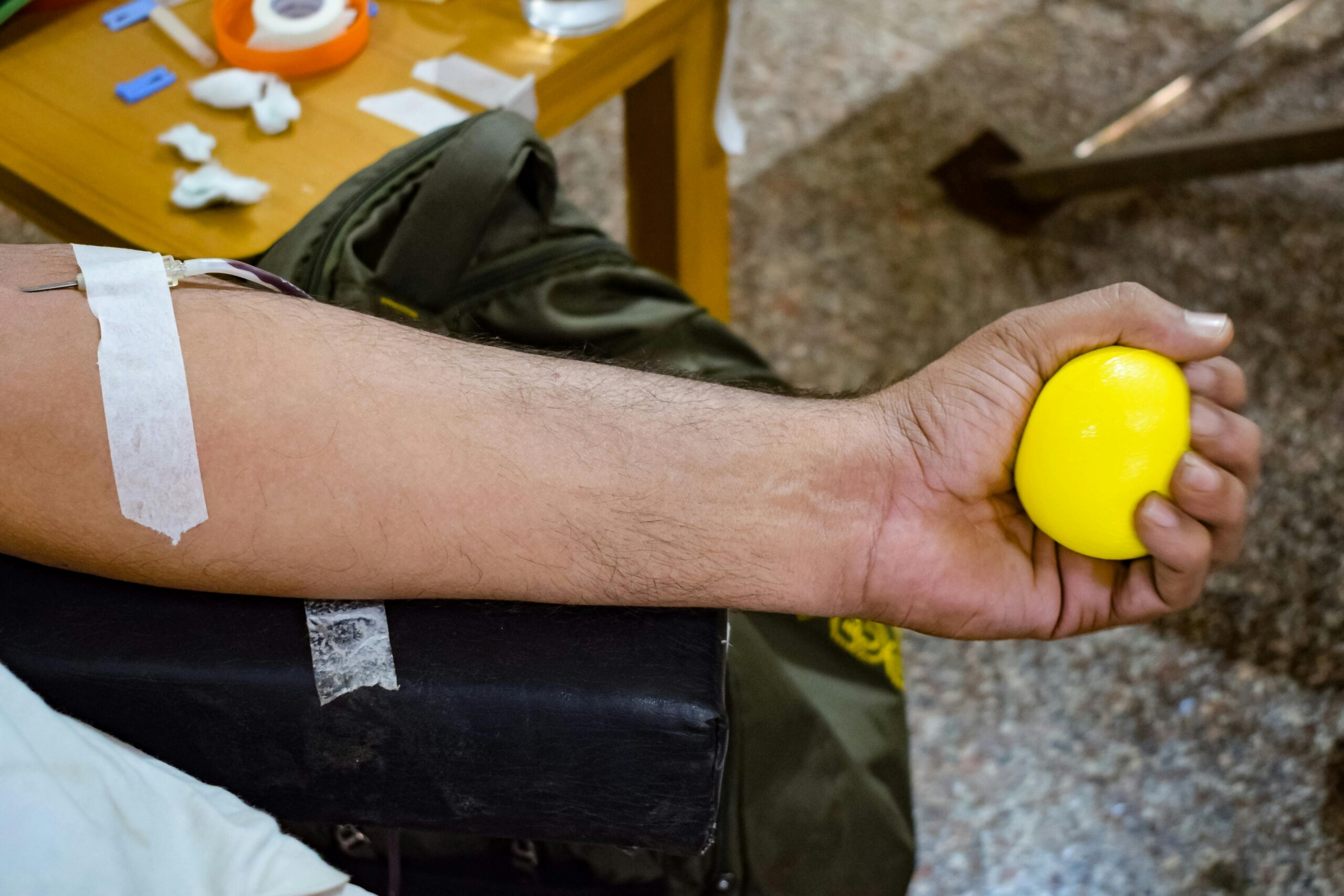
Hire Clinical Research Scientist – Transfusion Medicine: In the Blood & Organ Banks industry, Clinical Research Scientists in Transfusion Medicine play a vital role in ensuring safe blood practices. Hiring skilled professionals can improve operational efficiency, reduce errors, and enhance patient safety. Top talent not only drives innovation but also builds trust within the medical community.
Why Hire a Clinical Research Scientist – Transfusion Medicine?
Clinical Research Scientists are essential for organizations to enhance their transfusion practices and research methodologies.
- Expertise in Blood Safety: Hiring a Clinical Research Scientist provides organizations with specialized knowledge about blood safety protocols and procedures. This expertise helps prevent transfusion-related adverse events and ensures compliance with regulatory standards.
- Data-Driven Decision-Making: Clinical Research Scientists utilize analytics to interpret data effectively. By making informed decisions based on evidence and research findings, they help organizations enhance their practices and outcomes.
- Streamlined Operations: These professionals can identify inefficiencies in blood bank operations. By implementing best practices, they can streamline processes, leading to faster turnaround times and reduced costs.
- Innovative Research Initiatives: A Clinical Research Scientist can initiate and lead research projects, contributing to the advancement of transfusion medicine. This innovation helps organizations stay competitive and meet emerging healthcare needs.
- Training and Development: They can also mentor lab staff and provide training on new technologies and protocols. This ensures the workforce remains skilled and knowledgeable about current practices.
What Are the Types of Clinical Research Scientist – Transfusion Medicine?
- Transfusion Safety Specialist: Focuses on minimizing risks associated with blood transfusions. They assess and implement safety protocols, making them invaluable during audits and inspections.
- Clinical Trials Coordinator: Manages research trials related to transfusion medicine. Their expertise in regulatory requirements ensures compliance and successful trial outcomes.
- Quality Assurance Scientist: Responsible for maintaining quality control within the blood bank. They develop and enforce standard operating procedures to ensure consistency and accuracy in lab results.
- Research Associate: Supports research initiatives by collecting data, analyzing results, and preparing reports. Their contributions are crucial during new drug evaluations or product testing.
- Laboratory Manager: Oversees daily operations within the blood bank. Their leadership ensures efficient workflow and that staff adhere to safety and quality standards.
Where to Find Clinical Research Scientist – Transfusion Medicine?
- Online Job Boards: Posting on job boards like Indeed or Glassdoor can attract a vast audience. However, these platforms may yield a mix of qualified and unqualified candidates, requiring further vetting.
- Staffing Agencies: Staffing agencies specialize in sourcing qualified candidates. Pulivarthi Group stands out by providing pre-vetted candidates that meet specific criteria, saving time and resources.
- Professional Networks: Engaging with industry connections on platforms like LinkedIn can lead to finding top talent. However, this method may take longer, and the available pool may be limited.
- University Collaborations: Partnering with universities can help in finding fresh talent. While this approach brings in new perspectives, candidates may lack real-world experience.
What Are the Challenges Faced While Hiring Clinical Research Scientist – Transfusion Medicine?
- Assessing Technical Skills: Evaluating the scientific and analytical skills of candidates can be difficult. Inadequate assessment can lead to hiring candidates who may not meet the technical demands of the role.
- Ensuring Cultural Fit: Identifying if a candidate aligns with the organization’s values is challenging yet crucial. A poor fit can lead to low morale and high turnover.
- Managing High Turnover Rates: The Blood & Organ Banks sector often faces high turnover. This can disrupt projects and increase costs associated with training new hires.
- Navigating Regulatory Requirements: Understanding and adhering to the complex regulations in transfusion medicine is vital. Misalignment can lead to compliance issues, causing delays in hiring or project progression.
What Qualifications and Licenses Must a Clinical Research Scientist – Transfusion Medicine Have?
- Relevant Degree: A degree in a relevant field such as biology, biochemistry, or health sciences is essential. This foundational knowledge ensures candidates understand complex biological systems.
- Certifications: Certifications like Clinical Research Coordinator (CRC) or Clinical Research Associate (CRA) demonstrate a commitment to the field and knowledge of best practices.
- Years of Experience: Typically, organizations prefer candidates with 2-5 years of experience in clinical research or transfusion medicine. Experienced candidates can quickly adapt to the demands of the role.
Sample Clinical Research Scientist – Transfusion Medicine Job Description
Job Overview: The Clinical Research Scientist will oversee clinical trials, ensuring compliance with safety standards and regulatory requirements.
Key Responsibilities: Conduct research, analyze data, and train staff on protocols.
Required Skills: Strong analytical skills, teamwork, and knowledge of transfusion medicine practices are essential.
Qualifications: A relevant degree and certification in clinical research are required.
Clinical Research Scientist – Transfusion Medicine Interview Questions
- What experience do you have with clinical trials in transfusion medicine? This question assesses their relevant experience and understanding of trial protocols.
- How do you ensure data integrity in your research? This helps evaluate their approach to maintaining accurate and reliable data.
- Can you describe a challenge you’ve faced in the lab and how you resolved it? This assesses critical thinking and problem-solving skills.
- What techniques do you use to stay current with regulatory changes? This question checks their commitment to continuing education and adaptability.
- How would you handle disagreements with team members regarding research methodologies? This question provides insight into their teamwork and conflict resolution skills.
When Should I Hire a Clinical Research Scientist – Transfusion Medicine?
Organizations should hire a Clinical Research Scientist during peak project demands, such as launching new research initiatives or expanding services. They are also crucial in filling critical skill gaps when current staff lacks expertise. Additionally, hiring during periods of regulatory audits or compliance reviews can help ensure successful outcomes.
How Can I Test Clinical Research Scientist – Transfusion Medicine Skills?
- Role-Specific Assessments: Conducting assessments that closely mirror job tasks can provide insights into a candidate’s practical abilities, ensuring they can perform effectively.
- Real-World Tasks: Assigning tasks that reflect daily duties can help evaluate problem-solving skills, adaptability, and workflow efficiency.
- Reviewing Past Projects: Asking candidates to present previous work allows employers to assess their experience and expertise in transfusion-related research.
How to Conduct an Effective Cultural Fit Assessment for Clinical Research Scientist – Transfusion Medicine?
- Situational Questions: Ask candidates how they would handle specific scenarios to gauge their values and decision-making process in alignment with company culture.
- Alignment with Company Values: Discussing the organization’s values and asking candidates how their personal values align can help identify compatibility.
- Team Involvement: Involving future team members in the interview process provides multiple perspectives on a candidate’s fit within the team dynamic.
What Is the Average Salary of a Clinical Research Scientist – Transfusion Medicine in the US?
The average salary for a Clinical Research Scientist in Transfusion Medicine typically ranges from $70,000 to $100,000, depending on experience and location. Salaries may vary significantly between states and can be higher in metropolitan areas with a high demand for specialized skills. Overall, the industry sees positive trends in compensation as the sector continues to grow.
What Are Some Clinical Research Scientist – Transfusion Medicine-Specific SOPs, and How to Create Them?
- Quality Control Procedures: These SOPs detail steps for testing and validating laboratory results. They ensure laboratory accuracy and reliability in findings.
- Protocol Adherence Guidelines: These provide a framework for ensuring that all clinical trials adhere to necessary protocols and regulatory requirements.
- Incident Reporting Procedures: These define steps for documenting and reporting irregularities. They are crucial for maintaining transparency and regulatory compliance.
How to Retain Clinical Research Scientist – Transfusion Medicine Effectively?
- Offer Competitive Benefits: Providing comprehensive benefits packages can help attract and retain top talent. Employees appreciate health coverage, retirement plans, and bonuses.
- Foster a Supportive Environment: Creating a culture that values teamwork and collaboration boosts morale. Supporting work-life balance leads to higher job satisfaction and productivity.
- Provide Professional Development Opportunities: Offering training and resources for continuing education can keep employees engaged and enhance their skills, benefitting the organization as well.
Hire Clinical Research Scientist – Transfusion Medicine with Pulivarthi Group
Partnering with Pulivarthi Group ensures you access top-tier, pre-vetted Clinical Research Scientists in Transfusion Medicine. So, Our expertise in the field enables us to provide tailored staffing solutions that meet your needs. Thus, we save you valuable time and resources, allowing your organization to focus on its goals while we handle the hiring process efficiently.