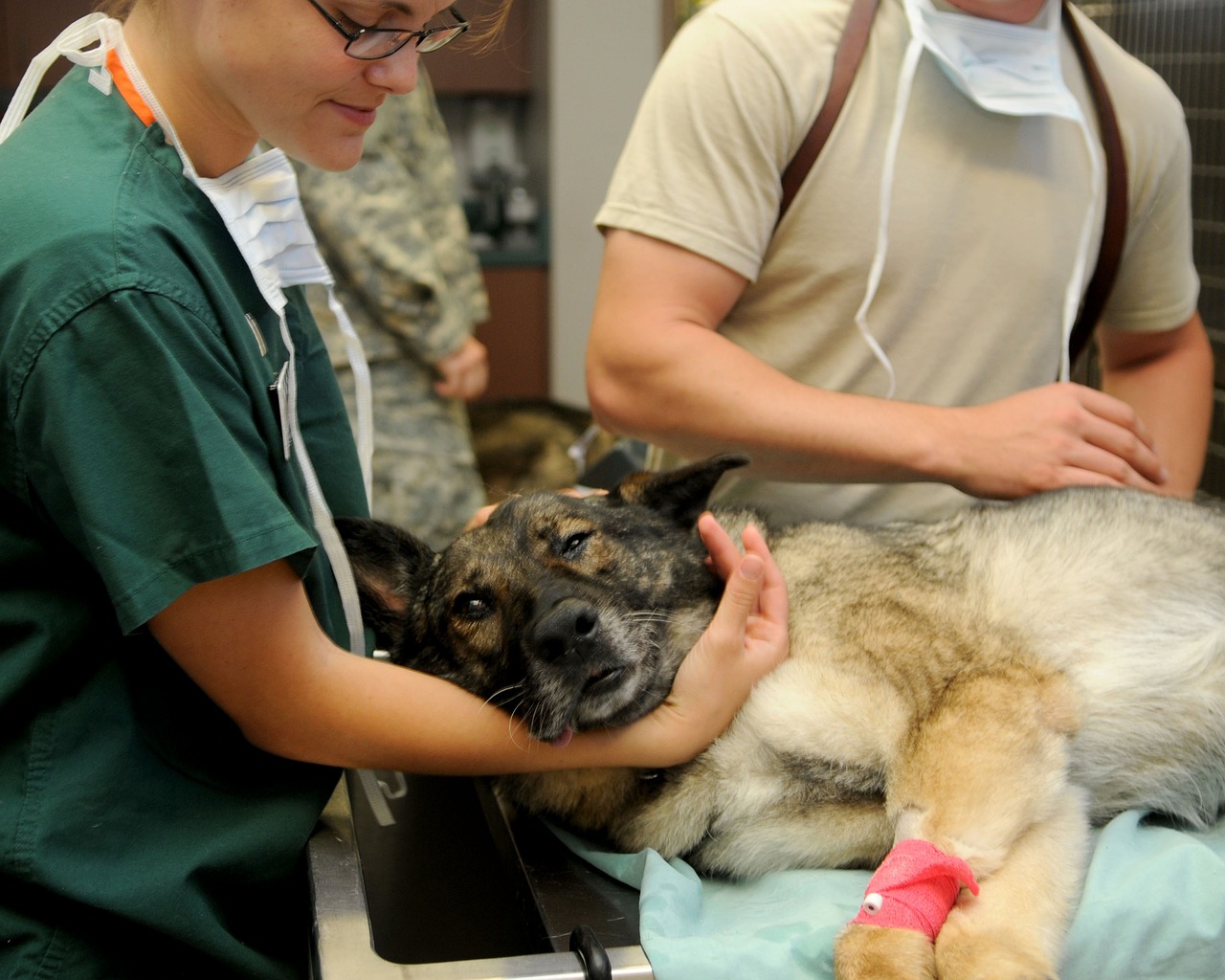
Veterinary health is evolving rapidly, reshaping how veterinary clinics manage animal treatment and care. In today’s world, advancements in veterinary health research pave the way for improved patient outcomes. As clinics strive to integrate new methodologies, understanding the latest trends can enhance operational efficiency and promote best practices in animal health management. These advancements in veterinary medicine practices not only streamline processes but also empower veterinarians with tools to provide more precise diagnoses and treatments. By embracing cutting-edge technologies and evidence-based strategies, clinics are better equipped to address the diverse health needs of their animal patients. Ultimately, this evolution fosters a more proactive approach to veterinary care, ensuring that animals receive the highest standard of treatment.
Current Trends in Veterinary Health Research
Veterinary health research today emphasizes enhanced treatment modalities and preventive care strategies. Significant findings have emerged from studies focusing on chronic disease management and innovative surgical techniques. For instance, advancements in imaging technologies, such as MRI and CT scans, offer greater insights into animal conditions. These tools allow veterinarians to diagnose and treat animals more effectively than ever before.
Furthermore, personalized medicine is gaining traction. Understanding genetic profiles enables veterinarians to tailor treatments for individual animals, improving both efficacy and outcomes. This method proves particularly beneficial in general practice settings, where clinicians frequently encounter varying health issues.
Challenges in Animal Health Management
Despite these advancements, veterinary clinics face numerous challenges. High demand for urgent care can overwhelm staff at busy practices. Emergency veterinarians often manage influxes of critical cases, where timely decision-making is crucial. Associate veterinarians may find it difficult to balance routine appointments with unexpected emergencies. Training staff to handle such pressures is vital.
Another pressing issue is the need for efficient operational protocols. As animal care becomes more sophisticated, ensuring a streamlined workflow allows veterinary clinics to maintain high standards. Implementing technology can assist in creating smoother processes, which can lead to improved patient care.
Implications for Diverse Veterinary Roles
Each veterinary role has distinct considerations in regard to these advancements. For example, food animal veterinarians often deal with public health implications tied to livestock treatment. Therefore, emerging developments in veterinary health can inform strategies that ensure both animal and human health safety.
Shelter veterinarians also face unique challenges as they work with resource constraints. Innovations in low-cost treatment methods improve care for animals awaiting adoption. Additionally, board-certified veterinary internal medicine specialists (DACVIM) can apply new research findings to refine protocols in managing complex cases.
Fostering Collaboration for Better Outcomes
Collaboration stands at the heart of effective veterinary practice. Engaging in continuous veterinary health education can bridge knowledge gaps across different specialties. Regular training sessions can help general practice veterinarians, urgent care veterinarians, and specialists share insights on treatment advancements. This cross-pollination of information fosters a more robust clinical environment.
Conclusion
Staying abreast of advancements in veterinary health practices is paramount for all members of veterinary clinics. By addressing key challenges and adapting to industry trends, veterinarians can ensure they deliver exceptional care. As a partner committed to supporting veterinary practices, Pulivarthi Group helps clinics connect with hard-to-find talent across various roles, from emergency veterinarians to community medicine veterinarians. Together, we can enhance animal treatment and contribute to a healthier future for veterinary practices worldwide.