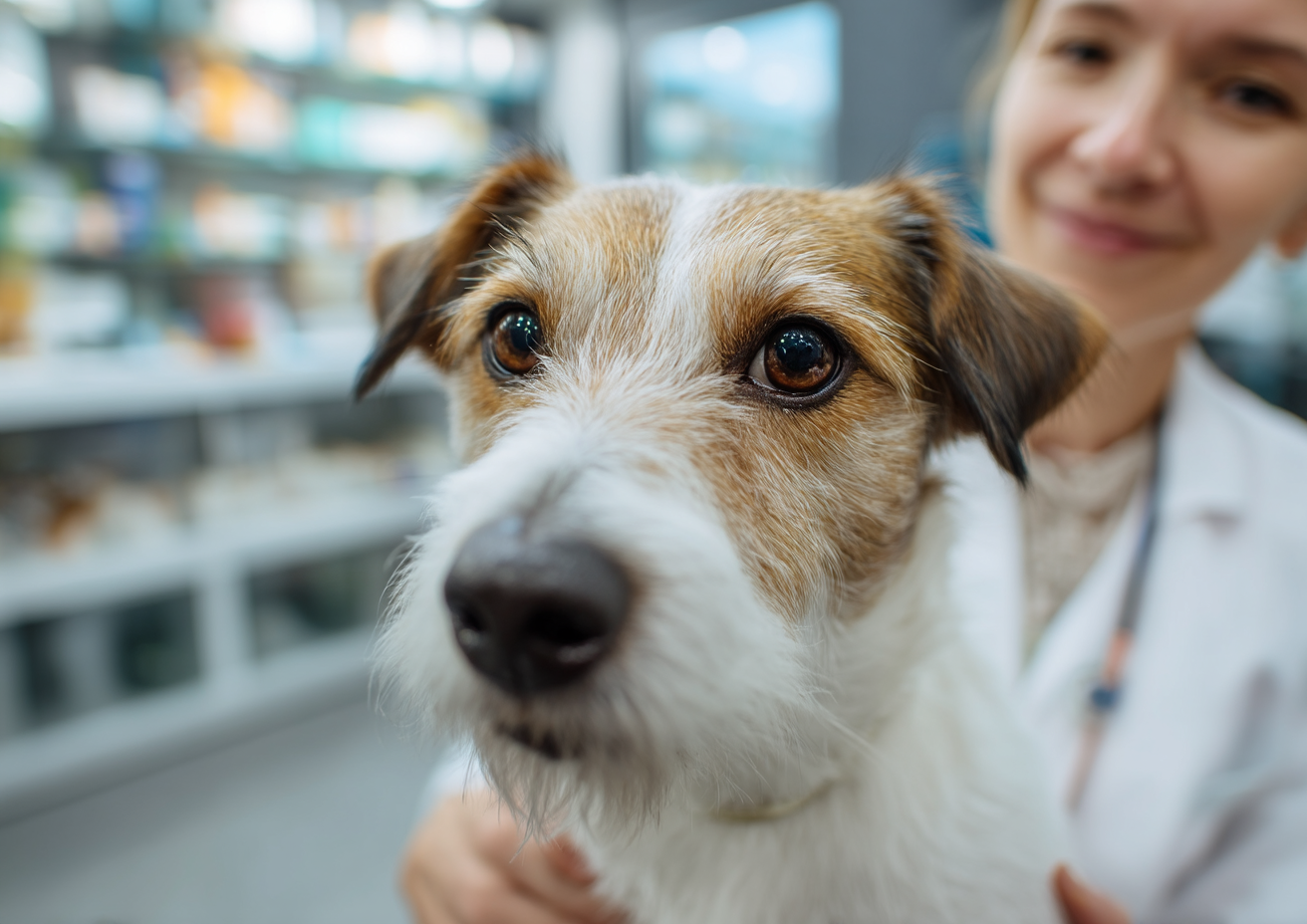
In the ever-evolving landscape of veterinary medicine, the integration of AI-powered predictive pet health tools stands out as a transformative force. These innovations are not merely technological upgrades; they offer profound implications for improving pet health predictions and outcomes. As veterinary professionals and pet owners alike navigate the complexities of animal care, understanding the potential of artificial intelligence in this sector becomes crucial.
Understanding AI in Veterinary Medicine
Artificial intelligence, particularly through predictive analytics, allows veterinary clinics to analyze vast amounts of data. By leveraging machine learning algorithms, these tools can identify patterns that health professionals might miss. As a result, pet owners can receive tailored advice and treatments based on their animal’s unique health history and projected health risks. For example, an AI-driven platform can suggest preventive care or lifestyle changes dynamically based on individual pet profiles.
To appreciate the significance of AI in veterinary clinics, we must first explore how these technologies function. For instance, AI systems analyze historical health records, laboratory results, and even behavioral patterns. Consequently, they generate predictions regarding potential health issues such as diabetes or arthritis in pets. This proactive approach enables veterinarians to treat conditions before they escalate, enhancing overall pet health outcomes.
Key Challenges in Predicting Pet Health
Despite the advantages of predictive pet health tools, there are challenges that need addressing. One major issue is the integration of AI technologies into existing workflows. Veterinary professionals often find themselves hesitating about adopting new tools due to concerns over compatibility and the learning curve associated with new systems.
Furthermore, data privacy is a pressing concern in healthcare. Veterinarians must ensure that sensitive health data of pets is protected, which can deter clinics from implementing advanced AI solutions. However, with appropriate software enhancements and compliance protocols, these concerns can be mitigated effectively.
Actionable Solutions for Veterinary Clinics
Veterinary clinics can take actionable steps toward integrating AI tools into their practice. First, staff training is essential. Training enables teams to understand AI functionalities, thus increasing adoption rates. Secondly, clinics should seek out user-friendly platforms to make transitions smoother.
- Leverage partnerships: Collaborating with technology companies that specialize in predictive analytics can facilitate a seamless transition.
- Invest in training: Continuous education and training for staff ensure they keep pace with tech advancements.
- Implement pilot programs: Start small by integrating one AI tool at a time and gradually expanding its use.
Benefits of Predictive Health Technology for Pets
The benefits of adopting AI in veterinary practice extend beyond operational efficiency. Firstly, these tools can lead to better treatment outcomes. For instance, predictive analytics can help in monitoring chronic diseases like renal failure at early stages, resulting in timely interventions. Thus, pets can enjoy a better quality of life.
Secondly, enhancing communication between veterinarians and pet owners is another benefit. AI tools can provide real-time insights, allowing pet owners to make informed decisions about their pet’s health care. For example, reminders about vaccinations and health check-ups can be programmed based on predictive analytics, reducing missed appointments significantly.
Real-World Applications of AI in Veterinary Medicine
Many veterinary practices are already seeing significant improvements through the adoption of AI technologies. One noteworthy example includes a veterinary clinic that implemented a predictive analytics platform, resulting in a 20% decrease in emergency visits. By identifying at-risk pets early, these clinics provide timely interventions that significantly enhance the quality of care.
Additionally, AI applications can assist in diagnostics. In some clinics, machine learning algorithms analyze radiographic images for signs of conditions like hip dysplasia. As a consequence, veterinarians can make quicker and more accurate assessments, streamlining the treatment process.
Future Prospects of AI in Veterinary Clinics
The future of AI in veterinary medicine looks promising. With technology continuing to evolve, we can expect even more sophisticated tools that provide deeper insights into pet health. AI advancements in diagnostics, treatment planning, and preventive care are only the beginning. For example, researchers are exploring ways to use AI for real-time diagnosis during examinations, enabling immediate treatment decisions.
Moreover, the potential for integrating AI with telemedicine services presents an opportunity for further innovation. As pet owners increasingly seek convenient care options, AI could streamline virtual consultations by analyzing symptoms and suggesting interventions that veterinarians can review.
Educating Pet Owners on AI Tools
As veterinary professionals enhance their understanding of AI, educating pet owners plays a key role in maximizing the benefits of these tools. Pet owners should be made aware of what predictive health technology entails and how it can positively impact their pet’s life. For professionals, being able to explain complex concepts simply is vital. This understanding encourages pet owners to be proactive regarding their furry friends’ health care.
Veterinarians can create informative content, such as blogs or videos, discussing the benefits of AI technologies. These resources can demystify predictive analytics, making it easier for pet owners to embrace modern veterinary medicine.
Conclusion: Embracing AI for a Healthier Future
The integration of AI in veterinary medicine represents a significant leap forward in how we approach pet care. By utilizing predictive health technologies, veterinary professionals can enhance treatment outcomes and improve the overall health of pets. For pet owners, understanding these advancements ensures they can advocate for their pets’ health effectively.
As we stand at the cusp of this technological revolution, it is crucial for both veterinary professionals and pet owners to embrace these changes. Therefore, we encourage everyone to explore how AI can enhance pet health further. Learn more about how AI can enhance pet health today.