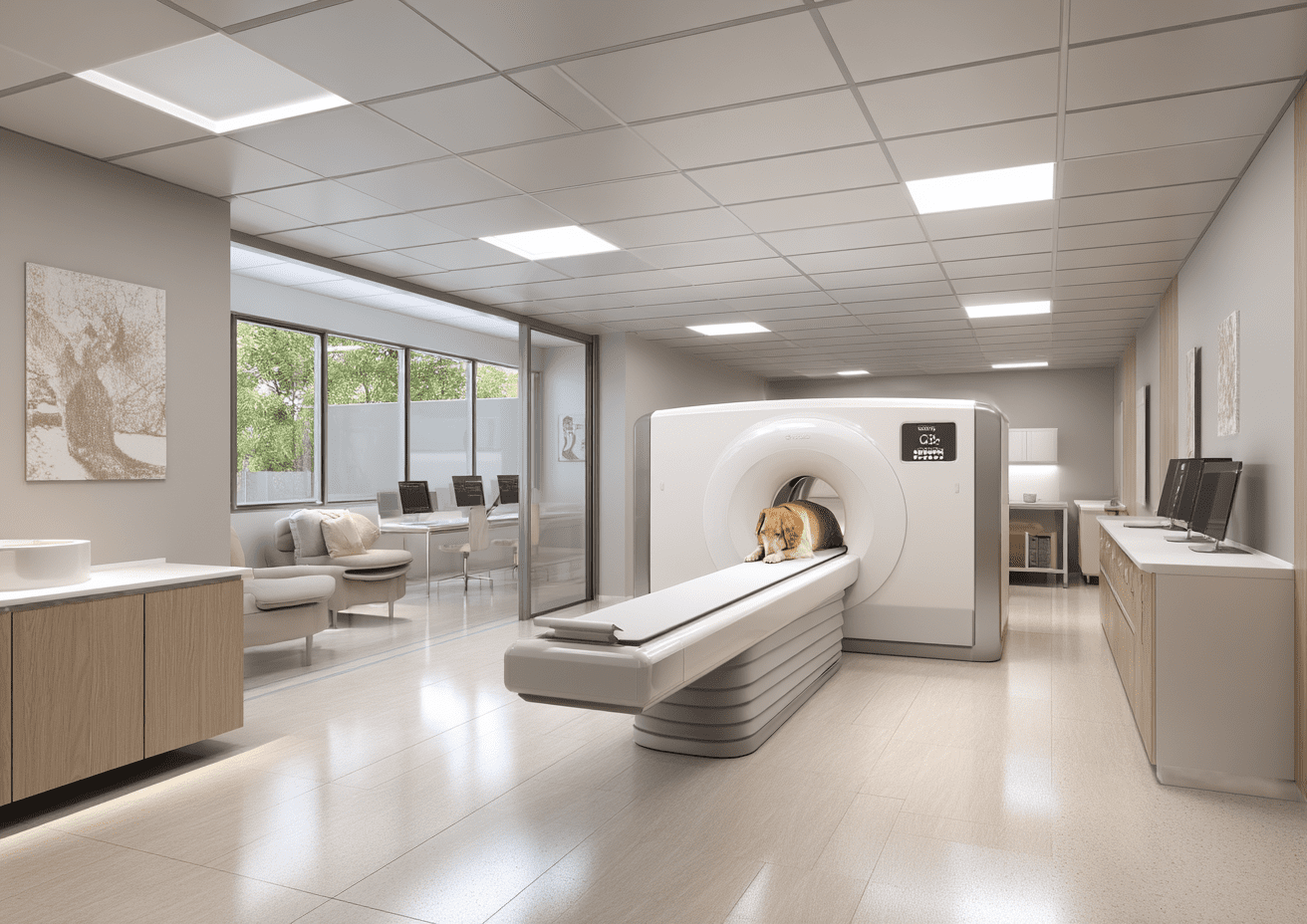
A Veterinary Internal Medicine Specialist is a board-certified veterinarian with advanced expertise in diagnosing and managing complex, chronic, and multisystem diseases in animals. These specialists operate at the highest level of clinical decision-making within veterinary medicine and are commonly referred to as DACVIMs—Diplomates of the American College of Veterinary Internal Medicine.
Veterinary internal medicine specialists are essential to modern referral hospitals, academic institutions, and advanced specialty centers, where they manage cases that exceed the diagnostic or therapeutic scope of general practice. As veterinary medicine continues to mirror human healthcare in complexity, internal medicine specialists have become a critical workforce segment supporting advanced diagnostics, long-term disease management, and interdisciplinary care.
Table of Contents
- What Is a Veterinary Internal Medicine Specialist?
- Scope of Veterinary Internal Medicine
- How Internal Medicine Specialists Differ from General Veterinarians
- Education, Residency, and Board Certification (DACVIM)
- Internal Medicine Subspecialties
- Clinical Responsibilities and Case Complexity
- Advanced Diagnostics and Procedures
- Where Veterinary Internal Medicine Specialists Work
- Referral Workflow and Collaborative Care Model
- Workforce Demand and Market Dynamics
- Workforce Constraints and Burnout Risk
- Career Progression and Leadership Roles
- Who Is Best Suited for This Specialty?
What Is a Veterinary Internal Medicine Specialist?
A Veterinary Internal Medicine Specialist is a veterinarian who has completed extensive postgraduate training in the diagnosis and treatment of internal diseases affecting companion animals or large animals. These professionals focus on complex conditions involving organs and systems such as the gastrointestinal tract, liver, kidneys, endocrine system, immune system, respiratory system, and hematologic processes.
Unlike general practitioners, internal medicine specialists are consulted when cases are diagnostically elusive, refractory to standard treatment, or require advanced procedures and interpretation. They often serve as the final diagnostic authority for chronic or multisystem disease cases.
In veterinary medicine, internal medicine specialists are considered tertiary-care providers and operate similarly to internists in human healthcare systems.
Scope of Veterinary Internal Medicine
Veterinary internal medicine encompasses a wide and interconnected range of disease categories. Because many chronic illnesses involve multiple organ systems simultaneously, internal medicine specialists approach cases holistically rather than by isolated diagnosis.
Core disease domains include:
- Gastroenterology and hepatology (IBD, PLE, liver disease)
- Endocrinology (diabetes, Cushing’s disease, Addison’s disease)
- Nephrology and urology (chronic kidney disease, urinary disorders)
- Hematology and immunology (IMHA, ITP, anemia)
- Respiratory medicine (lower airway disease, tracheal collapse)
- Infectious disease (fungal, tick-borne, systemic infections)
Internal medicine specialists frequently manage cases involving overlapping specialties such as oncology, neurology, and cardiology, particularly when comorbid conditions are present.
How Internal Medicine Specialists Differ from General Veterinarians
While general practice veterinarians provide frontline care, internal medicine specialists function as advanced diagnosticians and long-term disease managers.
Key distinctions include:
- Management of refractory or atypical cases
- Interpretation of advanced imaging and diagnostics
- Development of multi-phase treatment plans
- Ongoing case consultation with primary veterinarians
- Higher case complexity and longer patient timelines
Internal medicine specialists rarely replace the primary veterinarian. Instead, they operate within a collaborative referral model that prioritizes continuity of care.
Education, Residency, and Board Certification (DACVIM)
Becoming a Veterinary Internal Medicine Specialist requires one of the longest and most competitive training pathways in veterinary medicine.
The standard pathway includes:
- Doctor of Veterinary Medicine (DVM or VMD)
- One-year rotating internship
- Three-year internal medicine residency
- Completion of rigorous case logs and research requirements
- Passing comprehensive ACVIM board examinations
Successful candidates earn Diplomate status with the American College of Veterinary Internal Medicine (DACVIM). Fewer than a thousand veterinarians worldwide hold active DACVIM credentials in small animal internal medicine.
Internal Medicine Subspecialties
Veterinary internal medicine includes both small animal and large animal tracks, as well as focused subspecialties recognized by the ACVIM.
- Small Animal Internal Medicine (SAIM)
- Large Animal Internal Medicine (LAIM)
- Cardiology
- Neurology
- Oncology
- Nutrition
Many specialists develop informal niche expertise within internal medicine, such as gastrointestinal disease, renal failure management, or endocrine disorders.
Clinical Responsibilities and Case Complexity
Veterinary internal medicine specialists manage some of the most medically complex cases in companion animal care. These cases often involve prolonged diagnostic processes, frequent reassessment, and chronic disease management.
Responsibilities include:
- Comprehensive diagnostic evaluation
- Advanced interpretation of laboratory and imaging results
- Design of individualized, evidence-based treatment plans
- Ongoing communication with referring veterinarians
- Client education regarding prognosis and long-term care
Many cases require months or years of monitoring, making continuity and precision critical.
Advanced Diagnostics and Procedures
Internal medicine specialists routinely perform and interpret advanced diagnostic procedures not commonly available in general practice.
- Abdominal and thoracic ultrasound
- Endoscopy and minimally invasive biopsies
- CT and fluoroscopic imaging
- Bone marrow aspiration and biopsy
- Advanced endocrine and immunologic testing
Their diagnostic authority often determines whether surgical, oncologic, or palliative pathways are pursued.
Where Veterinary Internal Medicine Specialists Work
Veterinary internal medicine specialists practice in highly specialized environments, including:
- Multi-specialty referral hospitals
- Academic veterinary teaching hospitals
- Large emergency and specialty centers
- Research and clinical trials programs
- Teleconsultation and referral support services
Most DACVIMs practice in urban or regional hubs due to infrastructure requirements.
Referral Workflow and Collaborative Care Model
Internal medicine specialists function within a referral-based ecosystem. Primary care veterinarians identify complex cases and coordinate transfer of care while maintaining the primary client relationship.
This triad—primary veterinarian, specialist, and pet owner—ensures continuity while allowing specialists to focus on advanced diagnostics and treatment optimization.
Workforce Demand and Market Dynamics
Demand for veterinary internal medicine specialists continues to outpace supply. Growth drivers include increased pet longevity, higher client expectations, and expanding availability of advanced diagnostics.
Despite strong interest among veterinary graduates, limited residency slots and long training timelines constrain workforce expansion.
Workforce Constraints and Burnout Risk
The specialty carries elevated cognitive and emotional demands. High caseload complexity, long hours, and client emotional stress contribute to burnout risk.
Institutions that provide adequate caseload management, administrative support, and interdisciplinary staffing show significantly better specialist retention.
Career Progression and Leadership Roles
Veterinary internal medicine specialists often advance into leadership roles such as:
- Medical Director of Specialty Services
- Residency Program Director
- Clinical Research Investigator
- Industry or pharmaceutical consultant
- Academic faculty positions
Who Is Best Suited for This Specialty?
Veterinary internal medicine is best suited for professionals who thrive on diagnostic problem-solving, long-term case management, and intellectual rigor.
Strong candidates typically demonstrate patience, analytical depth, comfort with uncertainty, and a commitment to evidence-based medicine within collaborative care environments.