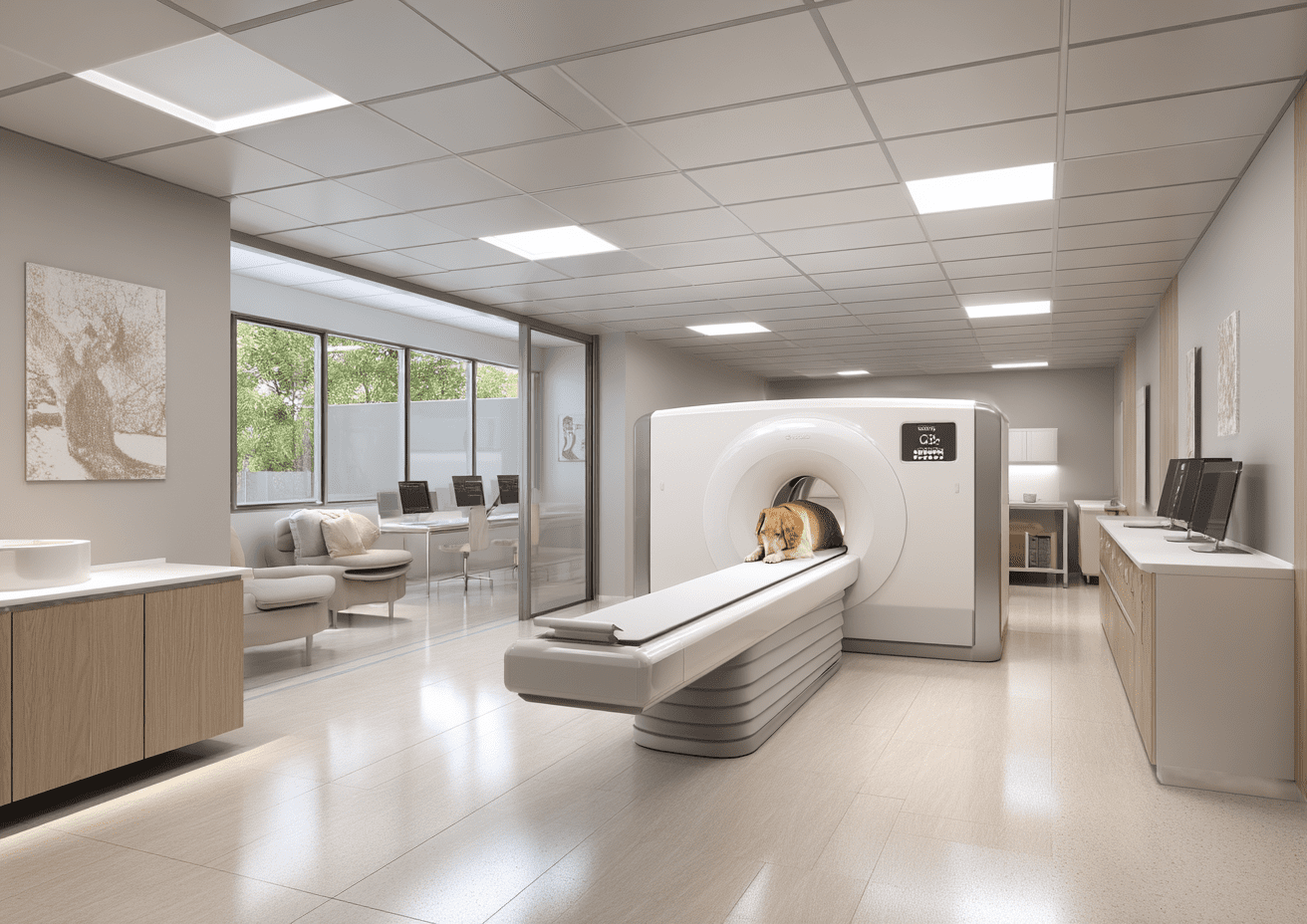
A shelter veterinarian is a licensed veterinary professional responsible for providing medical, surgical, and population-level care to animals housed in shelters, rescues, and community animal welfare systems. Unlike private clinical practice, shelter veterinary medicine focuses on managing animal health at scale while balancing public health, animal welfare, operational constraints, and community outcomes.
Shelter veterinarians play a critical role in reducing animal suffering, preventing disease outbreaks, improving live release rates, and supporting ethical, sustainable shelter operations. As intake pressures rise nationwide, shelter veterinary medicine has become one of the fastest-evolving and most operationally complex sectors within veterinary medicine.
Table of Contents
- What Is a Shelter Veterinarian?
- How Shelter Veterinary Medicine Differs from Private Practice
- Core Responsibilities of a Shelter Veterinarian
- Population Medicine and Capacity-for-Care
- Spay-Neuter and Surgical Responsibilities
- Infectious Disease Control and Biosecurity
- Public Health, One Health, and Regulatory Oversight
- Where Shelter Veterinarians Work
- Education, Training, and Certification Pathways
- A Day in the Life of a Shelter Veterinarian
- Workforce Challenges and Burnout Risks
- Shelter Veterinarian Demand and Workforce Trends
- Career Progression and Adjacent Roles
- Who Is Best Suited for Shelter Veterinary Medicine?
What Is a Shelter Veterinarian?
A shelter veterinarian provides medical oversight for animals that often arrive without medical histories, consistent preventive care, or stable housing. These animals may be stray, surrendered, confiscated due to neglect or cruelty, or transferred from disaster zones and overcrowded facilities.
Rather than focusing solely on individual patient outcomes, shelter veterinarians are trained to evaluate health decisions through a population lens — assessing how medical protocols, intake policies, housing density, and resource allocation affect overall shelter outcomes.
In 2014, the American Veterinary Medical Association formally recognized shelter medicine as a distinct veterinary specialty, reflecting the advanced skill set required to manage animal health within complex shelter systems.
How Shelter Veterinary Medicine Differs from Private Practice
While private practice veterinarians typically treat animals with known owners, predictable follow-up, and individualized budgets, shelter veterinarians operate in environments defined by uncertainty, volume, and public accountability.
- Limited or unknown medical histories
- High-density housing environments
- Increased risk of infectious disease transmission
- Severe time and resource constraints
- Ethical decision-making at a population level
Shelter veterinarians must continuously balance individual animal needs against the health, safety, and welfare of the entire shelter population — a decision framework rarely required in traditional companion animal practice.
Core Responsibilities of a Shelter Veterinarian
The scope of a shelter veterinarian’s responsibilities extends far beyond clinical exams. Key responsibilities include:
- Intake examinations and medical triage
- Development of shelter-wide medical protocols
- Oversight of vaccination, parasite control, and preventive care programs
- Diagnosis and treatment of infectious and non-infectious diseases
- Supervision and training of veterinary technicians and animal care staff
- Medical decision-making related to adoption, foster placement, or humane euthanasia
- Documentation, compliance, and quality assurance
Many shelter veterinarians also serve as medical directors, advising shelter leadership on operational design, staffing ratios, and risk mitigation strategies.
Population Medicine and Capacity-for-Care
Population medicine is the foundation of shelter veterinary practice. Rather than treating animals in isolation, shelter veterinarians assess trends across entire populations — including length of stay, disease prevalence, stress indicators, and outcomes by intake pathway.
Capacity-for-care principles guide decisions around intake management, housing density, and resource allocation. When shelters exceed their medical or staffing capacity, disease outbreaks, behavioral decline, and increased euthanasia risk follow.
Shelter veterinarians play a central role in implementing strategies such as managed intake, foster diversion, pathway planning, and daily population rounds to maintain humane conditions even during intake surges.
Spay-Neuter and Surgical Responsibilities
High-quality, high-volume spay-neuter (HQHVSN) surgery remains a cornerstone of shelter medicine. Shelter veterinarians often perform multiple surgeries per day, prioritizing efficiency, safety, and rapid recovery.
Sterilization programs directly reduce shelter intake, shorten length of stay, and prevent future overpopulation. Shelter veterinarians are responsible for surgical protocols, anesthesia safety, postoperative care standards, and surgical training programs.
Many shelter veterinarians also perform urgent surgeries related to trauma, wound management, dystocia, and life-threatening conditions identified during intake.
Infectious Disease Control and Biosecurity
Infectious disease management is one of the most technically demanding aspects of shelter veterinary medicine. High animal turnover, stress, and unknown vaccination status create ideal conditions for disease transmission.
Shelter veterinarians design and enforce biosecurity protocols addressing:
- Isolation and quarantine procedures
- Cleaning and disinfection standards
- Vaccination timing and coverage
- Outbreak detection and response
Common shelter-related diseases include canine parvovirus, canine distemper, feline panleukopenia, upper respiratory infections, ringworm, and zoonotic pathogens.
Public Health, One Health, and Regulatory Oversight
Shelter veterinarians operate at the intersection of animal health, human health, and environmental health — a framework commonly referred to as One Health.
Responsibilities often include rabies surveillance, bite quarantine oversight, cruelty and neglect case evaluations, and collaboration with public health agencies. Shelter veterinarians may also support disaster response efforts during floods, wildfires, and large-scale evacuations.
Compliance with local, state, and federal regulations is a critical component of shelter veterinary oversight, particularly in government-operated facilities.
Where Shelter Veterinarians Work
Shelter veterinarians may work across a variety of organizational models, including:
- Municipal animal shelters
- Private nonprofit shelters and humane societies
- High-volume spay-neuter clinics
- Mobile shelter medicine units
- Academic shelter medicine programs
- Disaster response and emergency shelter operations
Some veterinarians split time between shelter operations, community clinics, consulting roles, and teaching positions.
Education, Training, and Certification Pathways
All shelter veterinarians must complete a Doctor of Veterinary Medicine (DVM or VMD) degree from an accredited institution and hold state licensure.
Advanced training pathways include:
- Shelter medicine internships
- Shelter medicine residencies
- Board certification through the American Board of Veterinary Practitioners (Shelter Medicine Practice)
Continuing education in epidemiology, population management, infectious disease, and leadership is essential due to the evolving nature of shelter systems.
A Day in the Life of a Shelter Veterinarian
Daily responsibilities vary widely by shelter size and role but often include a mix of:
- Morning population health rounds
- Intake exams and triage decisions
- Surgical procedures
- Staff consultations and training
- Protocol review and administrative work
Unlike appointment-based clinics, shelter veterinarians must constantly adapt to unpredictable intake patterns, emergencies, and operational constraints.
Workforce Challenges and Burnout Risks
Shelter veterinary medicine carries significant emotional and physical demands. Common challenges include:
- High caseloads with limited resources
- Ethical stress related to euthanasia decisions
- Compassion fatigue and moral injury
- Public scrutiny and legal accountability
Organizations that invest in staffing support, mental health resources, and realistic caseload expectations see improved retention and program outcomes.
Shelter Veterinarian Demand and Workforce Trends
Shelter systems across the United States report persistent veterinarian shortages, particularly in rural and underfunded regions. Intake surges, housing crises, and economic pressures have intensified demand for experienced shelter veterinarians.
Despite growing interest among veterinary students, limited residency positions and funding constraints continue to restrict workforce supply.
Career Progression and Adjacent Roles
Shelter veterinarians may progress into roles such as:
- Medical Director of Shelter Operations
- Shelter Medicine Consultant
- Public Health Veterinarian
- Academic Faculty in Shelter Medicine
- Disaster Response Veterinary Specialist
Many professionals leverage shelter experience into leadership roles within animal welfare organizations and public policy initiatives.
Who Is Best Suited for Shelter Veterinary Medicine?
Shelter veterinary medicine is well suited for veterinarians who thrive in complex systems, value population-level impact, and are motivated by public service rather than traditional practice models.
Strong candidates typically demonstrate adaptability, ethical resilience, leadership skills, and a willingness to work collaboratively across multidisciplinary teams.