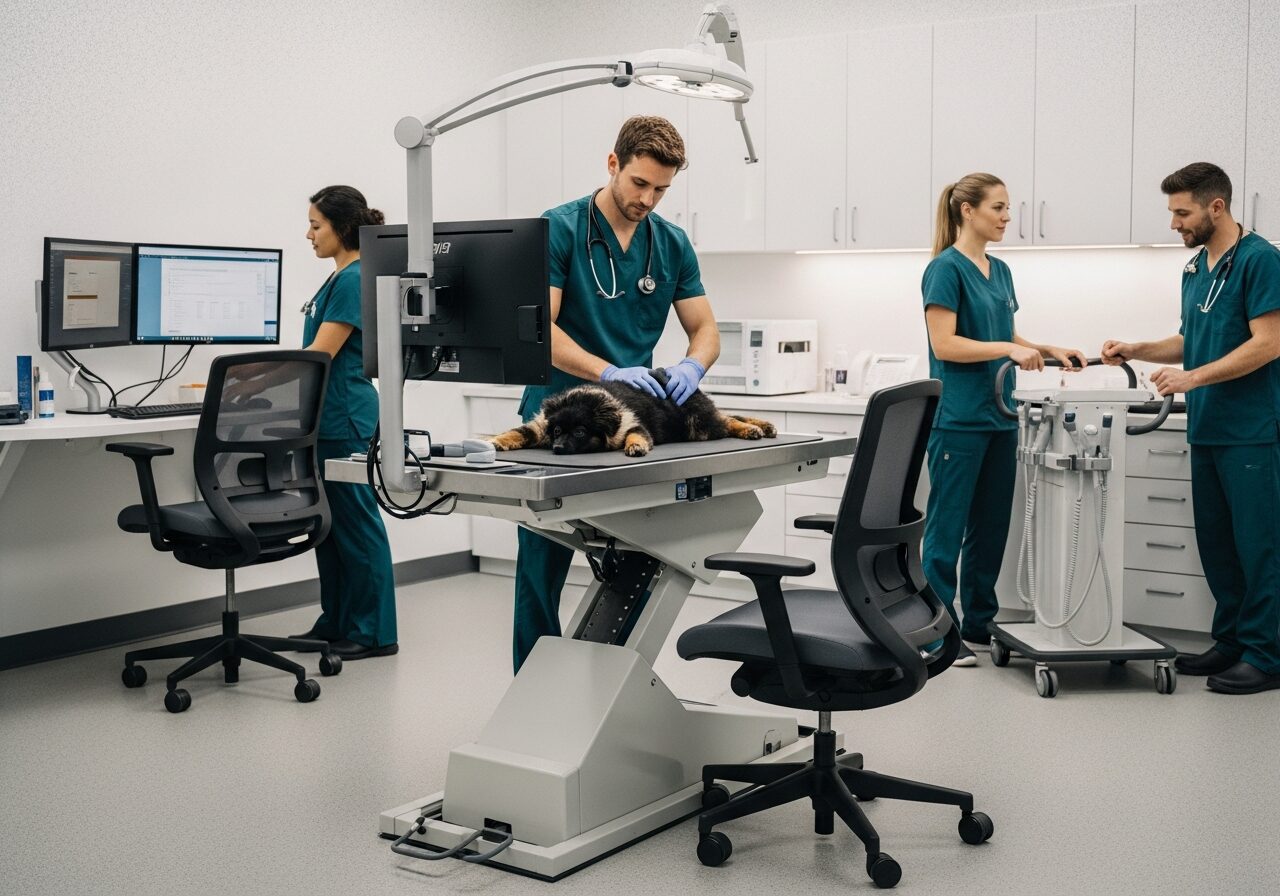
A relief veterinarian is a licensed DVM who provides temporary clinical coverage when a practice is short a doctor. The role is also called a locum veterinarian, from the Latin locum tenens, meaning “holding one’s place.” Clinics bring in a relief veterinarian to cover vacations, parental leave, illness, seasonal surges, and sudden resignations without cutting appointment capacity.
The stakes are higher than they look. In a single-doctor practice, one absence means the clinic closes for the day. Consequently, relief coverage has shifted from a nice-to-have into core workforce strategy. This page explains what a relief veterinarian does, what one costs, and when your clinic should hire one.
Table of Contents
- What Is a Relief Veterinarian?
- Why Relief Veterinarians Exist: Shortage and Burnout Data
- What a Relief Veterinarian Does Day-to-Day
- Relief vs. Associate vs. Temp-to-Hire: Which Coverage Model Fits
- Relief Veterinarian Rates and Cost to Clinics
- When Your Clinic Should Hire a Relief Veterinarian
- How to Hire a Relief Veterinarian: Agency vs. Platform vs. Direct
- Becoming a Relief Veterinarian
- Workforce Trends and Demand Outlook
- Frequently Asked Questions
What Is a Relief Veterinarian?
A relief veterinarian holds the same degree, license, and clinical authority as any staff doctor. The difference is the employment model. Instead of joining one practice, a relief veterinarian works across many hospitals on short engagements: a single shift, a two-week vacation block, or a multi-month maternity cover.
Most relief doctors work as independent contractors (1099), though staffing agencies and some platforms engage them as W2 employees and handle payroll, taxes, and insurance on the clinic’s behalf. That distinction matters for your compliance burden, and we cover it in the rates section below.
The takeaway: a relief veterinarian is not a downgrade from a “real” doctor. Many are experienced GPs and emergency clinicians who chose flexibility over a fixed schedule.
Why Relief Veterinarians Exist: Shortage and Burnout Data
Relief work grew because the veterinary labor market broke. Three data points tell the story.
- Not enough doctors. Mars Veterinary Health projects a shortage of up to 15,000 companion-animal veterinarians in the U.S. by 2030, even accounting for new graduates. Hiring a permanent associate now routinely takes months, and our veterinary workforce shortage analysis breaks down why.
- Burnout is thinning the bench. Industry wellbeing research, including the Merck Animal Health Veterinary Wellbeing Study and AVMA workforce reporting, consistently finds that roughly one in three veterinarians reports burnout. Doctors who cannot take time off leave the profession sooner.
- Coverage gaps compound. When one doctor leaves, the remaining team absorbs the caseload. Overload drives the next departure. Relief veterinarians break that cycle by absorbing the gap while you recruit properly.
The takeaway: demand for relief veterinarians is structural, not seasonal. Clinics that build relief relationships before the emergency consistently outperform clinics that scramble after it.
What a Relief Veterinarian Does Day-to-Day
On a typical shift, a relief veterinarian handles wellness exams, sick visits, diagnostics, dentistry, and client communication. Many also perform routine surgery such as spays, neuters, and mass removals, although surgical expectations should always be agreed in advance.
What a relief doctor does not do is equally important. They rarely manage staff, set protocols, or carry long-term case ownership. They document thoroughly, hand cases back, and move on.
The takeaway: put appointment volume, surgery expectations, software, and support staffing in writing before the first shift. Clear scope is the single biggest predictor of a successful relief engagement.
Relief vs. Associate vs. Temp-to-Hire: Which Coverage Model Fits
| Factor | Relief Veterinarian | Permanent Associate | Temp-to-Hire |
|---|---|---|---|
| Commitment | Per shift or per block | Ongoing employment | Contract first, then hire |
| Speed to start | Days | Months | Days to weeks |
| Cost structure | Daily or hourly rate, no benefits | Salary plus benefits and recruiting cost | Contract rate, then salary |
| Best for | Leave, surges, sudden gaps | Long-term capacity | Evaluating fit before committing |
These models are complements, not competitors. Many practices use a relief veterinarian to keep revenue flowing while a permanent search runs, and some convert strong relief doctors into associates through temp-to-hire arrangements.
Relief Veterinarian Rates and Cost to Clinics
Relief veterinarian pricing varies by region, caseload, and urgency, but most U.S. clinics should budget in these ranges:
- Hourly: roughly $100 to $180 per hour for general practice coverage.
- Day rate: commonly $800 to $1,500 for a full GP shift, with emergency, weekend, and last-minute coverage priced higher.
- Extras to confirm: travel or lodging for rural placements, surgery premiums, and minimum-hour guarantees.
Now compare that to the cost of an uncovered day. A single GP doctor typically produces $4,000 to $8,000 in daily revenue for a small-animal practice. A closed exam room also pushes clients toward competitors, and some never return. Against that math, a relief day rate is inexpensive insurance.
On structure: hiring a 1099 relief veterinarian directly is usually the cheapest sticker price, but your clinic carries contractor compliance, license verification, and liability checks. Agency-placed relief doctors cost more per day and arrive pre-credentialed, insured, and payrolled. Neither answer is wrong; the right choice depends on how much administrative risk you want to own.
When Your Clinic Should Hire a Relief Veterinarian
Relief veterinarians are quietly saving your competitors. The clinics using them well rarely advertise it; they simply stop losing revenue to absences. It is time to hire a relief veterinarian when any of the following is true:
- Planned leave is coming. Vacations, CE weeks, parental leave, and sabbaticals are predictable. Book coverage the day the leave is approved, not the week before.
- A doctor just resigned. Relief coverage keeps the schedule intact for the 60 to 180 days a permanent search can take.
- Your team is running hot. If doctors are skipping lunches and charting at midnight, recurring relief shifts reduce burnout before it becomes turnover.
- Demand is seasonal. Spring wellness surges and holiday boarding peaks justify short-term capacity without a permanent salary.
- You want a working interview. A relief engagement shows you a doctor’s clinical skill and client manner before you offer an associate position.
The takeaway: the trigger to hire a relief veterinarian is almost never “we are desperate today.” It is “we can see the gap coming.”
How to Hire a Relief Veterinarian: Agency vs. Platform vs. Direct
Clinics source relief veterinarians three ways, and each trades money for time and risk.
- Direct. You find, vet, contract, and pay the doctor yourself. Lowest cost, highest administrative load, and slowest when your network runs dry.
- Marketplace platforms. Self-serve apps list available doctors and shifts. Fast for single shifts in metro areas; thinner in rural markets and for long blocks.
- Specialist staffing agency. An agency such as Pulivarthi Group’s veterinary staffing team matches a pre-screened relief veterinarian to your caseload, handles credentialing and payroll, and backfills if plans change. This is typically the fastest route to reliable, repeat coverage through contingent staffing.
Whichever route you choose, verify four things before the first shift: an active state license in good standing, DEA registration if controlled substances are involved, professional liability coverage, and experience with your practice management software. A reputable agency documents all four for you.
Becoming a Relief Veterinarian
For doctors, relief work offers schedule control and strong earning potential; experienced relief veterinarians frequently out-earn associates on a per-day basis. You will need an active license in each state where you practice, liability insurance, and ideally two or more years of clinical experience. If that path interests you, our talent guide and current openings are the place to start.
Workforce Trends and Demand Outlook
Three trends will shape relief staffing over the next five years. First, more veterinarians are choosing flexible work: relief, part-time, and fractional roles keep growing as doctors design careers around their lives. Second, corporate consolidators are formalizing relief programs, which raises baseline rates for everyone. Third, technology is compressing booking timelines, so the best relief doctors get claimed faster.
For clinic owners, the practical implication is simple: treat relief coverage like a supplier relationship, not an emergency purchase. Practices that keep two or three vetted relief veterinarians on file, or a staffing partner who maintains that bench for them, fill gaps in days while competitors post and pray.
Frequently Asked Questions
What is a relief veterinarian?
A relief veterinarian is a fully licensed DVM who provides temporary coverage for veterinary practices during vacations, leave, staffing gaps, or busy periods. The role is also known as a locum veterinarian.
How much does a relief veterinarian cost per day?
Most clinics pay $800 to $1,500 per day for general practice relief coverage, or roughly $100 to $180 per hour. Emergency, weekend, and last-minute shifts command premiums.
How do I find a relief veterinarian for my clinic?
Three routes: hire directly through your network, book shifts on a relief marketplace, or work with a specialist veterinary staffing agency that screens, credentials, and places the doctor for you.
How fast can I get relief coverage?
Through a specialist agency, clinics can typically see qualified relief candidates within one business day. Direct sourcing depends entirely on your personal network.
Are relief veterinarians independent contractors or W2 employees?
Both models exist. Directly booked relief doctors usually work as 1099 independent contractors, while agencies and some platforms engage them as W2 employees and absorb payroll and compliance.
How do I become a relief veterinarian?
You need a DVM degree, an active license in every state where you will practice, professional liability insurance, and ideally two or more years of clinical experience before going independent.
Need relief coverage without the scramble? Pulivarthi Group places pre-screened relief DVMs with U.S. clinics, typically presenting candidates within one business day. Get a staffing quote or talk to a veterinary staffing specialist.