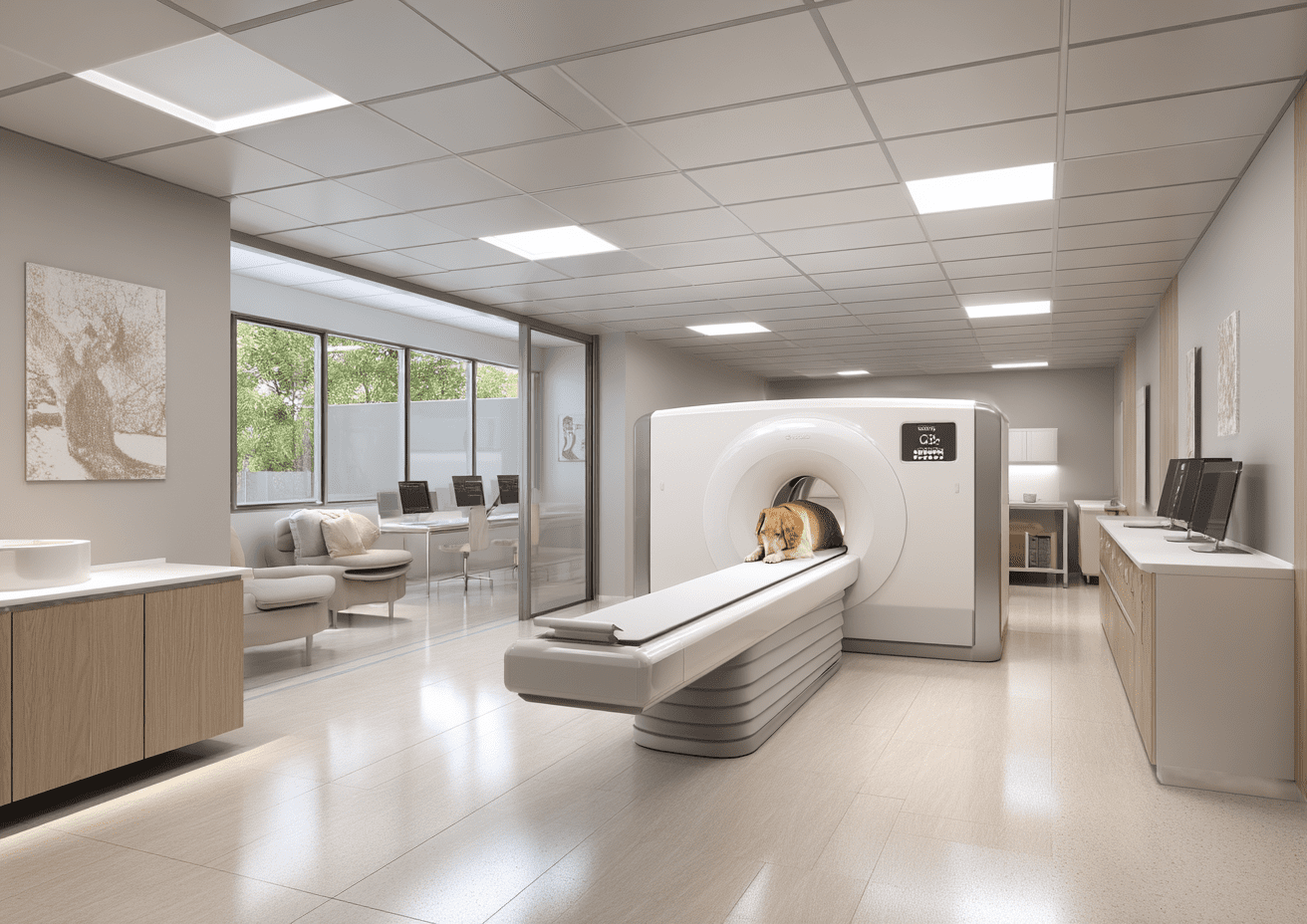
A Mixed Animal Veterinarian is a licensed Doctor of Veterinary Medicine (DVM) who provides clinical care across multiple animal species, most commonly companion animals (dogs and cats), alongside food animals, equine patients, or other large animals. Unlike species-exclusive veterinarians, mixed animal veterinarians operate across varied clinical environments, balancing in-clinic care with ambulatory and field-based services.
Mixed animal practice represents one of the most operationally complex and workforce-critical roles in veterinary medicine. These veterinarians often serve as the primary veterinary infrastructure for rural, semi-rural, and mixed-use communities where access to multiple specialists is limited.
Table of contents
- What a mixed animal veterinarian is
- Why mixed animal practice exists
- Species scope and case mix
- What a mixed animal veterinarian does day-to-day
- Common mixed animal practice models
- Clinic care vs ambulatory care
- Procedures and medical services performed
- Education and training pathways
- Skills that define success in mixed practice
- Operational and economic realities
- Scheduling, on-call, and coverage challenges
- Workforce demand, supply constraints, and trends
- Career progression and exit pathways
- Frequently asked questions
What a mixed animal veterinarian is
A mixed animal veterinarian delivers medical, surgical, and preventive care to more than one animal category within a single practice. Most commonly, this includes:
- Companion animals (dogs and cats)
- Food animals (cattle, sheep, goats, swine)
- Equine patients
In contrast to referral-based or species-exclusive care models, mixed animal veterinarians are generalists by design. They are trained to diagnose, treat, and manage a wide range of conditions across species, often without immediate access to specialty referral centers.
Why mixed animal practice exists
Mixed animal practice emerged as a response to geographic, economic, and logistical realities. Many communities do not generate sufficient volume to support separate small animal, food animal, and equine practices. Instead, a single veterinarian or small team must cover multiple species to meet community needs.
Even as veterinary medicine becomes more specialized, mixed animal veterinarians remain essential because:
- Rural and semi-rural regions require broad coverage
- Hobby farms and small-scale livestock ownership continue to increase
- Clients value a single veterinarian who understands all of their animals
- Emergency and after-hours coverage often depends on mixed practitioners
From a workforce perspective, mixed animal veterinarians function as care multipliers, expanding access without fragmenting services across multiple providers.
Species scope and case mix
| Animal category | Typical services | Care setting |
|---|---|---|
| Companion animals | Wellness exams, diagnostics, dentistry, surgery, internal medicine | In-clinic |
| Food animals | Herd health, reproduction, disease prevention, emergency care | Farm / field |
| Equine | Lameness exams, preventive care, reproduction, emergency treatment | Farm / barn / clinic |
| Small ruminants & hobby species | Preventive care, minor surgery, diagnostics | Mixed |
The exact species mix varies widely by geography. Some mixed animal veterinarians maintain a 50/50 split between small and large animals, while others skew heavily toward one category with secondary coverage for the other.
What a mixed animal veterinarian does day-to-day
Clinical diversity
A single workday may include routine wellness exams for dogs and cats, emergency farm calls for calving or colic, surgical procedures, diagnostic interpretation, and client consultations across species.
Preventive and population-level care
In food animal and herd settings, mixed animal veterinarians operate at both the individual and population level, focusing on disease prevention, biosecurity, nutrition, and productivity alongside animal welfare.
Emergency response
Mixed practitioners often provide first-line emergency care for large animals and rural clients, particularly outside normal business hours when referral options are limited.
Client education and advisory roles
Clients frequently rely on mixed animal veterinarians for guidance beyond treatment, including nutrition plans, breeding decisions, regulatory compliance, and long-term animal management strategies.
Common mixed animal practice models
Integrated mixed clinics
Single hospital facilities offering small animal care onsite, supported by ambulatory trucks for large animal and farm calls.
Predominantly small animal with large animal services
Clinics where companion animals generate most revenue, while large animal services support community coverage and diversification.
Predominantly large animal with small animal services
Practices focused on food animal or equine medicine that also provide small animal care to local residents.
Mobile-heavy mixed practice
Ambulatory-first models with limited physical clinic space, emphasizing on-farm service delivery.
Clinic care vs ambulatory care
| Dimension | Clinic-based care | Field-based care |
|---|---|---|
| Equipment | Full diagnostics, imaging, anesthesia | Portable, limited, efficiency-focused |
| Scheduling | Structured appointments | Variable, weather and emergency-dependent |
| Risk profile | Controlled environment | Higher physical and logistical risk |
| Client interaction | One-on-one | Often multiple stakeholders on site |
Procedures and medical services performed
- Spay and neuter surgeries
- Dentistry and oral surgery
- Soft tissue surgery
- Lameness exams and basic orthopedic care
- Reproductive services and obstetrics
- Emergency stabilization and trauma care
- Vaccination and preventive medicine
- Diagnostics including ultrasound and lab interpretation
Education and training pathways
Mixed animal veterinarians complete a Doctor of Veterinary Medicine (DVM) degree and state licensure. Unlike specialists, most do not complete formal residencies, but many pursue targeted externships, internships, or mentorship-based training in mixed practice environments.
Veterinary schools increasingly offer mixed animal focus tracks that emphasize broad clinical exposure across species.
Skills that define success in mixed practice
- Clinical adaptability across species
- Strong diagnostic reasoning without specialty backup
- Physical stamina and situational awareness
- Client communication across diverse populations
- Time management and prioritization
- Comfort with uncertainty and evolving cases
Operational and economic realities
Mixed animal practice economics differ significantly from species-exclusive models. Revenue streams vary by season, geography, and client demographics. Practices must balance:
- Lower margins on some large animal services
- Higher transaction values in companion animal care
- Equipment and vehicle costs
- On-call and emergency coverage demands
Successful mixed practices often manage finances by tracking small and large animal services separately while sharing infrastructure.
Scheduling, on-call, and coverage challenges
Scheduling in mixed animal practice is inherently complex. Emergencies can disrupt planned clinic days, and on-call responsibilities are often heavier than in urban companion animal roles.
Many practices adopt rotating coverage, cooperative emergency groups, or species-specific scheduling blocks to improve sustainability.
Workforce demand, supply constraints, and trends
Despite persistent demand, mixed animal practice faces workforce challenges:
- Lower interest among new graduates compared to companion animal roles
- Geographic concentration in rural areas
- Higher burnout risk due to workload breadth
At the same time, trends such as hobby farming, rural population shifts, and food supply resilience are reinforcing the long-term need for mixed animal veterinarians.
Career progression and exit pathways
- Practice ownership or partnership
- Transition to species-focused practice
- Public health or regulatory roles
- Teaching and academic involvement
- Consulting and advisory positions
Frequently asked questions
What is a mixed animal veterinarian?
A mixed animal veterinarian treats both companion and large animals within a single practice, providing care across multiple species and settings.
Is mixed animal practice still in demand?
Yes. Demand remains strong in rural and semi-rural areas where communities rely on broad-scope veterinary coverage.
Is mixed animal practice harder than small animal practice?
It is more operationally complex, requiring broader medical knowledge, physical stamina, and flexible scheduling.
Do mixed animal veterinarians work in clinics or on farms?
Most work in both settings, combining in-clinic care with ambulatory and field-based services.
Workforce intelligence summary
Mixed animal veterinarians serve as the connective tissue of veterinary medicine, bridging species, environments, and communities. Their role supports access, continuity, and resilience in animal healthcare systems, particularly where specialization alone cannot meet demand. As veterinary medicine evolves, mixed animal practice remains a cornerstone workforce function rather than a transitional career path.