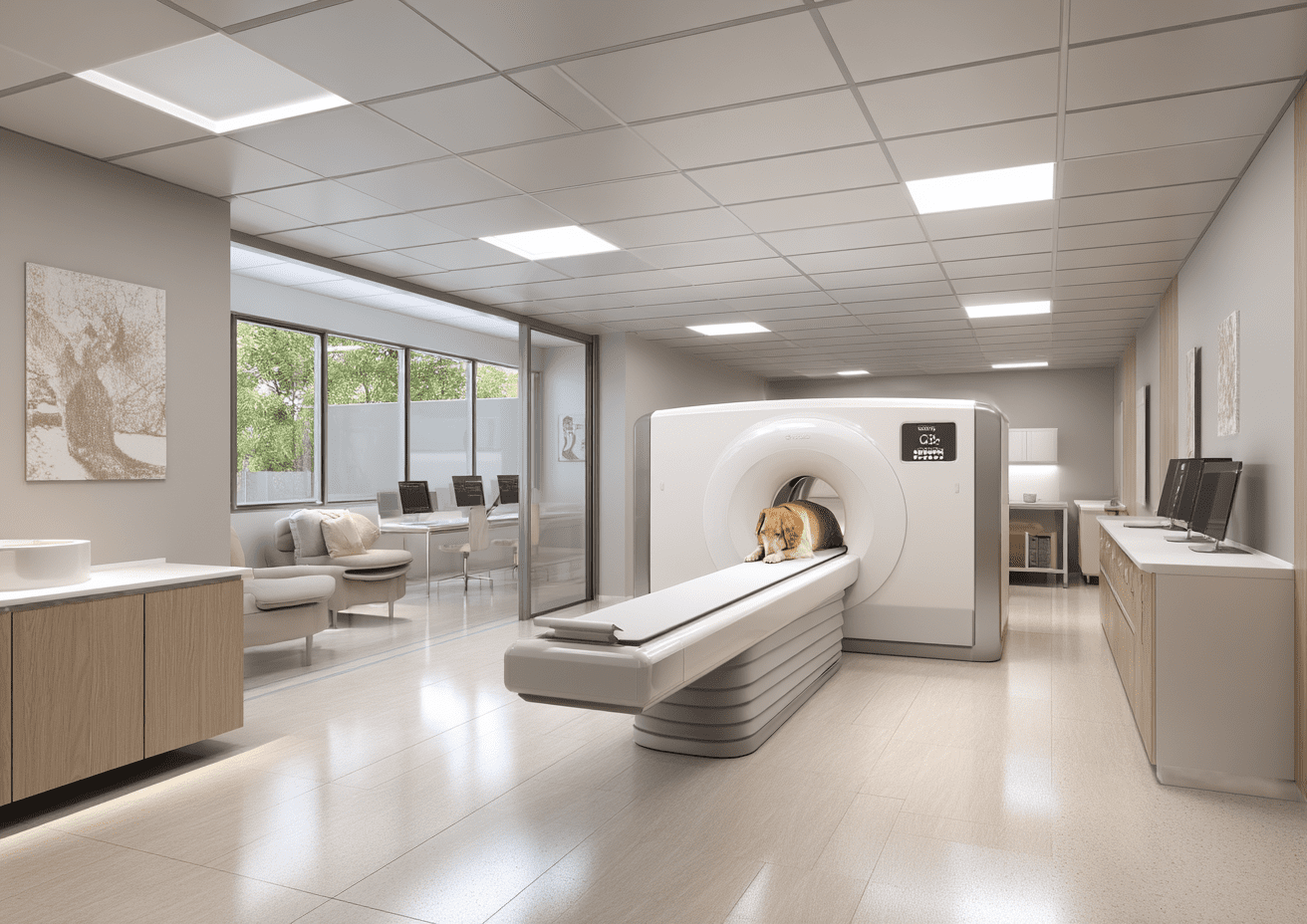
An Emergency Veterinarian is a licensed Doctor of Veterinary Medicine (DVM) who delivers immediate, high-acuity medical and surgical care for animals experiencing life-threatening injury or illness. Emergency veterinarians work in 24/7 emergency hospitals, hybrid emergency-specialty centers, and high-volume referral facilities, where they triage, stabilize, diagnose, and treat patients whose conditions cannot safely wait for primary care or urgent care.
Table of contents
- Where emergency veterinarians fit in the veterinary care system
- Emergency vs urgent care vs general practice
- What an emergency veterinarian does
- Typical case mix and clinical workflows
- Hospital capabilities that shape the role
- Core skills and competencies
- Staffing models and scheduling patterns
- Operational metrics that determine success
- Transfers, referrals, and continuity of care
- Education, licensure, and specialization pathways
- Workforce reality: demand, burnout drivers, and retention levers
- Career progression and compensation dynamics
- FAQs
Where emergency veterinarians fit in the veterinary care system
Emergency veterinary medicine functions as the “shock absorber” of animal healthcare. It absorbs unpredictable demand, manages the most time-sensitive cases, and stabilizes patients for either discharge back to primary care or transfer to specialty services. Unlike general practice, emergency care is not scheduled around wellness and routine follow-up. Unlike urgent care, emergency care must be prepared for rapid deterioration, ICU-level monitoring, and life-saving intervention at any hour.
In most markets, emergency hospitals also play a second system role: protecting general practice access. When primary care schedules are full or clinics are closed after-hours, emergency hospitals prevent delays that would otherwise turn treatable conditions into critical failures. This is one reason emergency veterinarians remain among the most operationally essential roles in companion animal care.
Emergency vs urgent care vs general practice
Many pet owners and even early-career clinicians confuse urgent care with emergency medicine. The distinction matters operationally because it determines staffing, equipment, protocols, and revenue mix.
| Care setting | Primary purpose | Typical stability | Hours and access | Common outcomes |
|---|---|---|---|---|
| General practice | Preventive care, chronic disease management, routine procedures | Stable | Business hours, scheduled appointments | Longitudinal care, follow-ups, wellness plans |
| Urgent care | Same-day care for non-life-threatening issues | Stable to moderately unstable | Extended hours, weekends; walk-ins or online check-in | Outpatient treatment, referral to ER if decompensating |
| Emergency hospital (ER) | Life-threatening care and stabilization | Often unstable or rapidly changing | 24/7 walk-in, triage-based priority | Stabilize, hospitalize/ICU, emergency surgery, transfer |
Workforce implication: emergency veterinarians must be staffed for unpredictable high acuity, while urgent care staffing is often designed for predictable outpatient workflows. The ER clinician is trained to decide fast, act fast, and adapt continuously.
What an emergency veterinarian does
1) Triage and rapid prioritization
Emergency departments are triage-driven. Patients are not seen “first come, first served.” They are prioritized by physiological risk. Emergency veterinarians either perform triage directly or supervise triage performed by experienced technicians.
- Airway, breathing, circulation assessment
- Perfusion checks and shock recognition
- Neurologic status and seizure risk
- Immediate pain control and stabilization planning
2) Stabilization under uncertainty
Emergency medicine rarely offers perfect information up front. Emergency veterinarians stabilize first, then diagnose in parallel. This often includes rapid oxygen support, IV access, antiemetics, analgesia, fluid resuscitation, or emergency sedation.
3) Rapid diagnostics that change decisions
ER diagnostics must be fast and actionable. The emergency veterinarian selects tests based on what will change the next clinical step.
- Point-of-care bloodwork (CBC/chemistry, lactate, electrolytes)
- Blood gas analysis and acid-base status
- Radiographs for trauma, foreign body, respiratory cases
- FAST ultrasound for abdominal/thoracic free fluid
- Urinalysis for obstruction, kidney injury, UTI-like presentations
- ECG and blood pressure for arrhythmias, shock, collapse
4) Emergency procedures and surgeries
Depending on the hospital model, emergency veterinarians may perform surgeries directly or stabilize and hand off to surgery specialists. In both cases, the ER veterinarian remains responsible for resuscitation, perioperative stabilization, and clinical decision-making under time pressure.
- Foreign body obstruction stabilization and surgical referral
- GDV (bloat) stabilization and surgical coordination
- Wound management, laceration repair, hemorrhage control
- Urinary obstruction decompression and catheterization
- Emergency C-section stabilization and delivery planning
5) ICU-level monitoring and hospitalization
Emergency veterinarians manage patients requiring continuous monitoring and escalation. This is where ER differs sharply from urgent care.
- Continuous vitals monitoring and reassessment
- Vasoactive drugs and infusion medicine
- Transfusions and blood product decisions
- Oxygen therapy escalation and respiratory protocols
- Analgesia plans, sedation protocols, and comfort measures
6) Client communication and consent-driven medicine
Emergency veterinarians practice medicine where decisions must balance time, prognosis uncertainty, and cost realities. They must give clear options, outline risks, and move quickly once consent is obtained.
High-performing ER clinicians communicate in structured ways: what is happening, what is most dangerous right now, what tests/treatments change outcomes, what the likely pathways are, and what “watch-outs” require immediate escalation.
Typical case mix and clinical workflows
Common emergency presentations
- Respiratory distress, collapse, shock
- Hit-by-car trauma, falls, severe bite wounds
- Uncontrolled vomiting/diarrhea with dehydration or collapse
- Seizures and acute neurologic events
- Toxin exposure (medications, chemicals, plants)
- Urinary obstruction and severe urinary distress
- GDV (bloat) suspicion and acute abdominal pain
- Sepsis, fever of unknown origin with rapid decline
Workflow reality: parallel processing
Emergency hospitals run on parallel processing: triage, stabilization, diagnostics, and consent conversations occur simultaneously. ER veterinarians must lead this while coordinating technicians, assistants, and front desk staff.
Hospital capabilities that shape the role
Not every ER hospital has the same capabilities. The emergency veterinarian role changes based on what the facility can do in-house.
| Capability level | What’s typically available | Impact on the emergency veterinarian role |
|---|---|---|
| ER-lite / limited | Basic labs, radiographs, outpatient stabilization | Stabilize and transfer more often; high referral coordination |
| Full-service ER | 24/7 staffing, imaging, in-house lab, hospitalization | More ICU management; more complex stabilization and discharge planning |
| ER + specialty referral | Specialists, advanced surgery, ICU protocols, blood bank access | Complex cases, higher acuity throughput, high consultation coordination |
Core skills and competencies
- Rapid prioritization: triage thinking and “what kills first” sequencing
- Resuscitation competency: shock protocols, oxygen escalation, perfusion support
- Procedural confidence: lines, catheterization, wound care, sedation planning
- Diagnostics interpretation: imaging and lab interpretation under time pressure
- Team leadership: directing technicians and maintaining flow in chaos
- Client communication: clear options, risk framing, and consent management
- Emotional resilience: high-stakes care and end-of-life decision support
Staffing models and scheduling patterns
Emergency hospitals staff for time coverage and acuity coverage. Many facilities use shift blocks that prioritize nights and weekends, with staffing adjusted for local peak volumes.
Common scheduling patterns
- 10–12 hour shifts, rotating blocks
- Overnight-heavy schedules for ER coverage
- Weekend differentials and holiday coverage plans
- Relief ER veterinarian coverage to protect full-time sustainability
Role adjacency: who the ER veterinarian depends on
- Credentialed technicians and ER-trained assistants
- Client service teams trained for emergency intake
- On-call or in-house surgery and internal medicine support (in referral centers)
- Radiology review pathways for complex imaging
Operational metrics that determine success
Emergency departments are operational systems, not just clinical settings. The emergency veterinarian influences measurable throughput and patient outcomes.
- Door-to-triage time
- Door-to-analgesia time
- Time-to-diagnostics for high-risk conditions
- Admission-to-discharge cycle time for outpatient ER cases
- Transfer efficiency and referral completion
- Recheck rates and post-discharge complication signals
- Client experience in high-stress scenarios
Transfers, referrals, and continuity of care
Emergency veterinarians are continuity builders. After stabilization, they must coordinate follow-up pathways to ensure patients do not fall through cracks.
- Transfer notes and imaging/lab packet hand-offs
- Communication to primary care for follow-up
- Specialty consult coordination when needed
- Discharge instructions designed for compliance under stress
Education, licensure, and specialization pathways
Emergency veterinarians begin with the standard DVM pathway and state licensure. Some pursue specialization through emergency and critical care residency training.
- DVM degree and NAVLE completion
- State licensure requirements
- Rotating internship (common pathway for ER-focused growth)
- Residency in emergency and critical care (board certification pathway)
- DACVECC for board-certified emergency and critical care specialists
Workforce reality: demand, burnout drivers, and retention levers
Why demand persists
- After-hours and weekend care demand grows with pet ownership patterns
- Increased clinical complexity as pets live longer
- Primary care capacity constraints spill into ER settings
- Referral centers expand specialty procedures requiring ER intake pipelines
Burnout drivers that uniquely impact ER veterinarians
- Night shifts and circadian disruption
- High emotional intensity and euthanasia frequency
- Unpredictable caseload spikes
- Cost conversations during crises
- Compassion fatigue from repeated high-stakes outcomes
Retention levers that actually work
- Protected staffing ratios and technician support depth
- Predictable scheduling blocks and recovery time
- Clinical autonomy paired with clear protocols
- Mentorship for early ER clinicians
- Workflow design that reduces chaos, not just speed
Career progression and compensation dynamics
Emergency veterinarians often command higher compensation because the role carries schedule burden, acuity complexity, and market scarcity. Career pathways include senior clinician roles, medical directorship, leadership in clinical operations, and specialization through residency training.
- Associate emergency veterinarian
- Senior ER clinician or shift lead
- Medical director / hospital leadership
- Residency-trained emergency and critical care specialist
FAQs
What does an emergency veterinarian do?
An emergency veterinarian triages, stabilizes, diagnoses, and treats animals with life-threatening illness or injury. They manage rapid deterioration risk, perform emergency procedures, and coordinate hospitalization or transfer.
What cases require an emergency veterinarian instead of urgent care?
Breathing difficulty, collapse, uncontrolled bleeding, severe trauma, repeated seizures, suspected bloat, urinary obstruction, or sudden severe neurologic changes require emergency veterinary evaluation.
Do emergency veterinarians perform surgery?
Yes. Depending on hospital capabilities, emergency veterinarians may perform life-saving procedures or stabilize and coordinate surgery with specialists.
How is an emergency veterinarian different from a general practice veterinarian?
General practice focuses on routine care and chronic management. Emergency veterinarians specialize in immediate, high-risk cases requiring rapid intervention, advanced diagnostics, and continuous monitoring.
Is emergency veterinary medicine a specialty?
Emergency and critical care can be pursued as a board-certified specialty through residency training (DACVECC). However, many ER veterinarians practice without board certification in 24/7 emergency hospitals.
What skills matter most in emergency veterinary medicine?
Rapid triage thinking, stabilization protocols, procedural competence, strong team leadership, and clear communication under stress define high-performing emergency veterinarians.
Summary
Emergency veterinarians form the backbone of 24/7 animal ER access. Their role blends high-acuity medicine, operational leadership, and emotionally complex communication. As demand for after-hours and critical care grows, emergency veterinarians remain one of the most strategically important roles in modern companion animal healthcare systems.