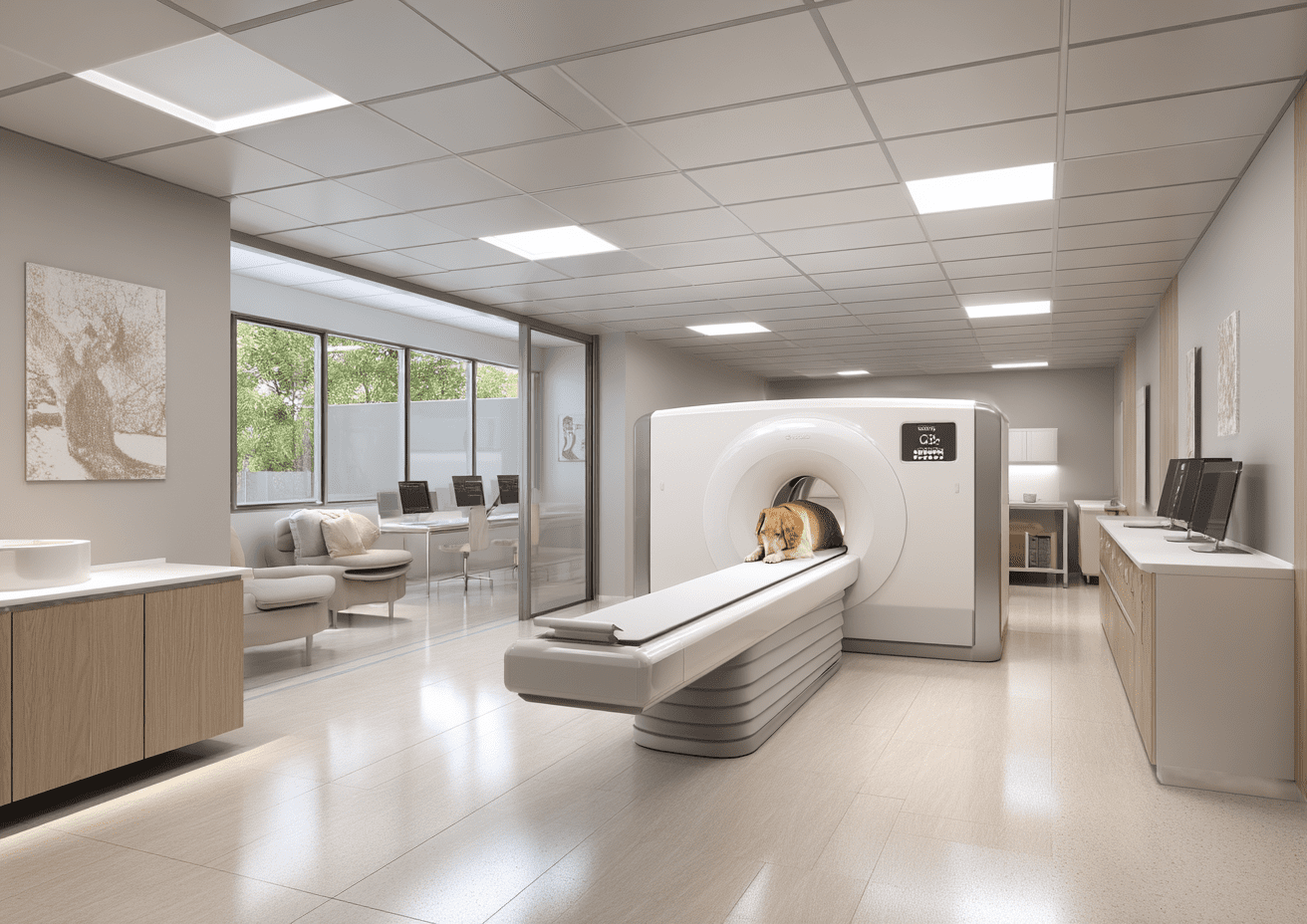
A Board-Certified Veterinary Internal Medicine Specialist, designated by the credential DACVIM, represents the highest tier of diagnostic and disease-management expertise in veterinary medicine. These specialists are not defined by a single organ system or procedure, but by their ability to interpret complex, overlapping medical conditions that require advanced clinical reasoning, longitudinal oversight, and multidisciplinary coordination.
In modern veterinary healthcare systems, DACVIMs function as diagnostic anchors. They are consulted when cases stall, symptoms conflict, or disease processes evolve beyond standard treatment pathways. Their role has expanded rapidly as pet lifespans increase, diagnostics become more sophisticated, and client expectations more closely resemble those of human specialty care.
From a workforce perspective, the DACVIM credential is both a clinical designation and a structural necessity. Specialty hospitals, academic centers, and referral networks rely on DACVIM coverage to maintain care continuity, reduce diagnostic redundancy, and stabilize downstream services such as oncology, surgery, emergency medicine, and critical care.
Table of Contents
- What Does DACVIM Mean?
- What Is a Board-Certified Veterinary Internal Medicine Specialist?
- Why the DACVIM Role Exists in Veterinary Medicine
- ACVIM-Recognized Internal Medicine Specialties
- Education, Residency, and Board Certification Pathway
- DACVIM vs DVM: Clinical Scope and Authority
- Day-to-Day Clinical Responsibilities
- Types of Cases Managed by DACVIMs
- System-Level Impact on Veterinary Hospitals
- Referral Structure and the Triad of Care
- Where DACVIMs Practice
- Workforce Supply, Demand, and Constraints
- Career Evolution Beyond Clinical Practice
- Professional Profile Best Suited for DACVIM
What Does DACVIM Mean?
DACVIM stands for Diplomate of the American College of Veterinary Internal Medicine. This credential signifies that a veterinarian has completed advanced postgraduate training and successfully passed a comprehensive board certification process administered by the ACVIM.
Unlike general licensure, which confirms the ability to practice veterinary medicine broadly, DACVIM status certifies mastery in internal medicine at a specialty level. It indicates formal recognition by a governing body that the individual has met stringent standards for diagnostic proficiency, case complexity, ethical practice, and continued professional development.
Only veterinarians who meet ACVIM requirements may use the DACVIM designation, and misuse of the credential is professionally regulated.
What Is a Board-Certified Veterinary Internal Medicine Specialist?
A Board-Certified Veterinary Internal Medicine Specialist is a veterinarian trained to manage diseases that are chronic, multifactorial, refractory to first-line therapy, or diagnostically ambiguous. These specialists are frequently involved when clinical signs do not align neatly with a single diagnosis or when treatment response deviates from expected outcomes.
Their expertise lies not only in identifying disease, but in understanding how multiple disease processes interact over time. This longitudinal perspective differentiates internal medicine specialists from episodic or procedure-focused roles.
In practice, DACVIMs often assume responsibility for cases that require ongoing reassessment, advanced diagnostics, and coordination with multiple specialties.
Why the DACVIM Role Exists in Veterinary Medicine
The DACVIM role exists because general veterinary training, while comprehensive, is not designed to support the depth of specialization required for modern internal medicine cases. Advances in diagnostics, therapeutics, and disease understanding have outpaced what can reasonably be managed within a generalist framework.
Conditions such as endocrine disorders, immune-mediated disease, chronic gastrointestinal disease, renal insufficiency, and complex oncologic cases often require months or years of active medical management. DACVIMs are trained to navigate this complexity while balancing quality of life, cost considerations, and evolving clinical evidence.
From a systems standpoint, DACVIMs prevent diagnostic fragmentation by serving as central decision-makers when multiple specialties intersect.
ACVIM-Recognized Internal Medicine Specialties
The American College of Veterinary Internal Medicine certifies specialists in six distinct but related disciplines:
- Small Animal Internal Medicine (SAIM): Focused on internal diseases of dogs and cats
- Large Animal Internal Medicine (LAIM): Concentrated on livestock and equine internal medicine
- Cardiology: Disorders of the heart and circulatory system
- Neurology: Diseases of the brain, spinal cord, and peripheral nerves
- Oncology: Diagnosis and medical management of cancer
- Nutrition: Advanced nutritional management for healthy and diseased animals
Each specialty requires separate residency training and board certification, despite all falling under the ACVIM umbrella.
Education, Residency, and Board Certification Pathway
Becoming a DACVIM requires one of the most demanding training pathways in veterinary medicine. The process is intentionally restrictive to maintain clinical standards and ensure case volume exposure.
The pathway typically includes:
- Four years of veterinary school leading to a DVM or VMD
- A one-year rotating internship or equivalent clinical experience
- Two to three years in an ACVIM-approved residency program
- Completion of detailed case logs and scholarly activity
- Passing a multi-phase, specialty-specific board examination
Residency positions are limited and highly competitive, which directly contributes to workforce scarcity.
DACVIM vs DVM: Clinical Scope and Authority
While all DACVIMs are licensed veterinarians, their scope of practice differs substantially from that of a general DVM. The distinction is not competence, but focus, depth, and responsibility.
DACVIMs are typically responsible for:
- Diagnosing conditions with overlapping or nonspecific clinical signs
- Managing chronic disease progression
- Interpreting advanced diagnostic testing
- Advising on complex treatment trade-offs
- Supporting referring veterinarians through consultation
In contrast, general practitioners manage a broader but less specialized clinical spectrum.
Day-to-Day Clinical Responsibilities
Daily work for a DACVIM extends beyond patient exams. Much of their time is spent reviewing diagnostics, adjusting treatment plans, consulting with colleagues, and communicating nuanced information to pet owners.
Clinical responsibilities often include:
- Advanced imaging interpretation
- Endoscopy and minimally invasive diagnostics
- Long-term medication management
- Monitoring treatment response over time
- Coordinating with emergency and specialty teams
Types of Cases Managed by DACVIMs
Cases commonly managed by DACVIMs include endocrine disorders, chronic kidney disease, immune-mediated diseases, gastrointestinal disorders, neoplasia, and complex infectious diseases.
Many patients present with multiple concurrent conditions, requiring prioritization and careful balancing of interventions.
System-Level Impact on Veterinary Hospitals
DACVIMs play a stabilizing role within veterinary hospitals by reducing diagnostic uncertainty and preventing unnecessary escalation of care.
Their presence improves:
- Referral efficiency
- Emergency department throughput
- Surgical and oncology outcomes
- Client confidence in specialty care
Referral Structure and the Triad of Care
The DACVIM operates within a referral-based care model emphasizing collaboration. The “Triad of Care” includes the primary veterinarian, the specialist, and the animal owner.
This structure ensures continuity of care while allowing each clinician to operate within their expertise.
Where DACVIMs Practice
DACVIMs typically practice in environments with advanced diagnostic capabilities, including specialty referral hospitals, academic institutions, and large emergency centers.
Geographic distribution remains uneven, with shortages most pronounced in non-metropolitan regions.
Workforce Supply, Demand, and Constraints
Demand for DACVIMs continues to increase due to rising case complexity and pet owner expectations. However, workforce expansion is limited by training bottlenecks, emotional workload, and long credentialing timelines.
As a result, DACVIMs remain one of the most capacity-constrained roles in veterinary medicine.
Career Evolution Beyond Clinical Practice
Beyond clinical roles, DACVIMs often transition into leadership, education, research, and industry positions that influence veterinary medicine at a systemic level.
Professional Profile Best Suited for DACVIM
The DACVIM path is best suited for veterinarians who value analytical depth, long-term case management, interdisciplinary collaboration, and evidence-based decision-making.
Success in this role requires resilience, intellectual curiosity, and strong communication skills across clinical and non-clinical stakeholders.