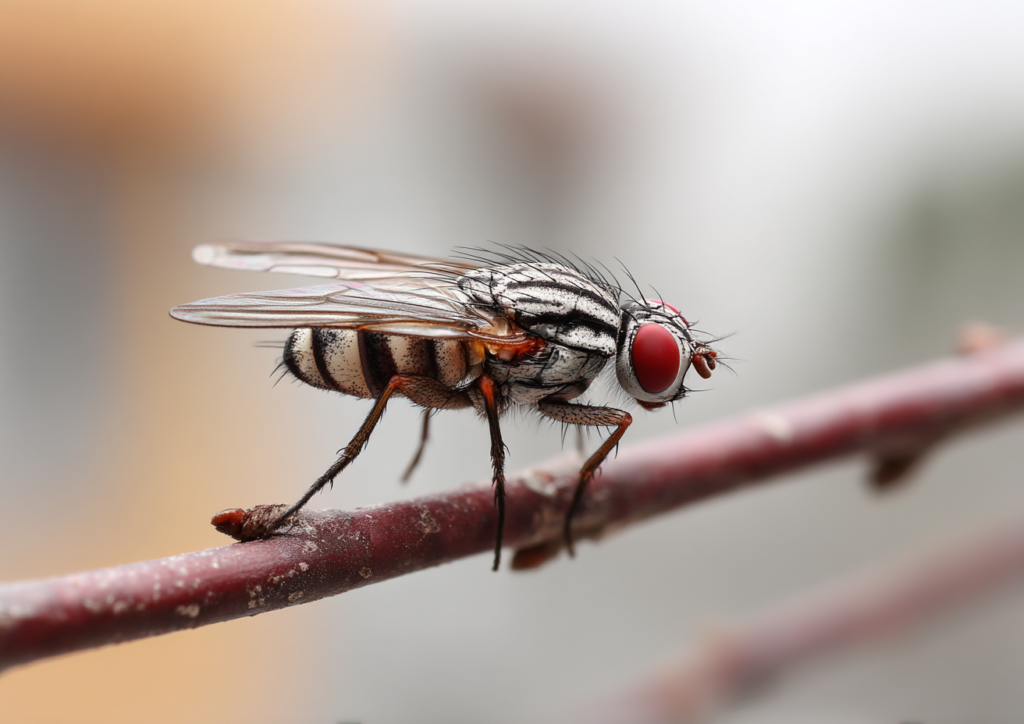
The issue of screw worm infestations remains a significant challenge for veterinary clinics across North America. Veterinary professionals must stay informed about these emerging threats and how they affect patient care, operational efficiency, and overall practice management. With the persistent risk of screw worm outbreaks, understanding current trends and best practices in infestations management is crucial for veterinarians and clinic owners alike.
Understanding Screw Worm Infestations
Screw worms, particularly Cochliomyia hominivorax, pose a serious threat to livestock, pets, and wildlife. The larvae of these flies infest living tissue, leading to severe health complications for affected animals. Veterinary professionals, such as urgent care veterinarians and critical care veterinarians, often encounter these cases firsthand. They must recognize symptoms early to provide timely and effective treatment.
Current Trends and Emerging Challenges
Recent reports indicate a rise in screw worm infestations in various regions, particularly in areas with warm climates. Veterinarians in mixed animal practices and food animal clinics are at a higher risk due to direct contact with livestock. In addition, shelter veterinarians are increasingly faced with managing screw worm cases among stray and rescue animals.
- What are the latest statistics on screw worm infections?
- How can veterinary staff identify early signs of screw worm infestations?
- What treatment protocols are recommended for different species?
As a result, it becomes imperative for all veterinary clinics to adopt a proactive approach. Clinics should stay updated on the latest research and respond quickly to any potential infestations. Emergency veterinarians often need to mobilize resources rapidly to address urgent cases, highlighting the importance of operational efficiency in these situations.
Best Practices for Managing Screw Worm Infestations
Effective management of screw worm infestations requires a multifaceted approach. Here are some strategies veterinary clinics can implement: new strategies for screwworm control can involve the use of biological agents that specifically target the larvae, minimizing harm to beneficial insects. Additionally, public awareness campaigns can educate communities about signs of infestations and encourage prompt reporting, which is crucial for early intervention. By combining these methods, veterinary clinics can enhance their efforts in managing this pest effectively.
- Education: Train the entire clinical staff, from associate veterinarians to management, on recognizing screw worm infestations.
- Preventive Measures: Focus on preventive healthcare, including fly control programs and appropriate animal care practices.
- Collaboration: Engage with local agricultural departments or veterinary associations for support and resources.
Additionally, consult with veterinary internal medicine specialists, especially board-certified specialists, for cases that require advanced diagnostic and treatment options. By integrating their expertise, clinics can enhance their response capabilities significantly.
Conclusion: Positioning Your Practice for Success
In conclusion, staying informed about screw worm updates is essential for veterinary clinics dedicated to patient care. As the veterinary industry evolves, the need for skilled professionals across various roles becomes crucial. Pulivarthi Group recognizes the challenges clinics face in accessing hard-to-find talent, particularly in emergency, critical care, and specialty veterinary services. By partnering with us, you can enhance your clinic’s capacity to manage screw worm infestations and other emerging challenges effectively.