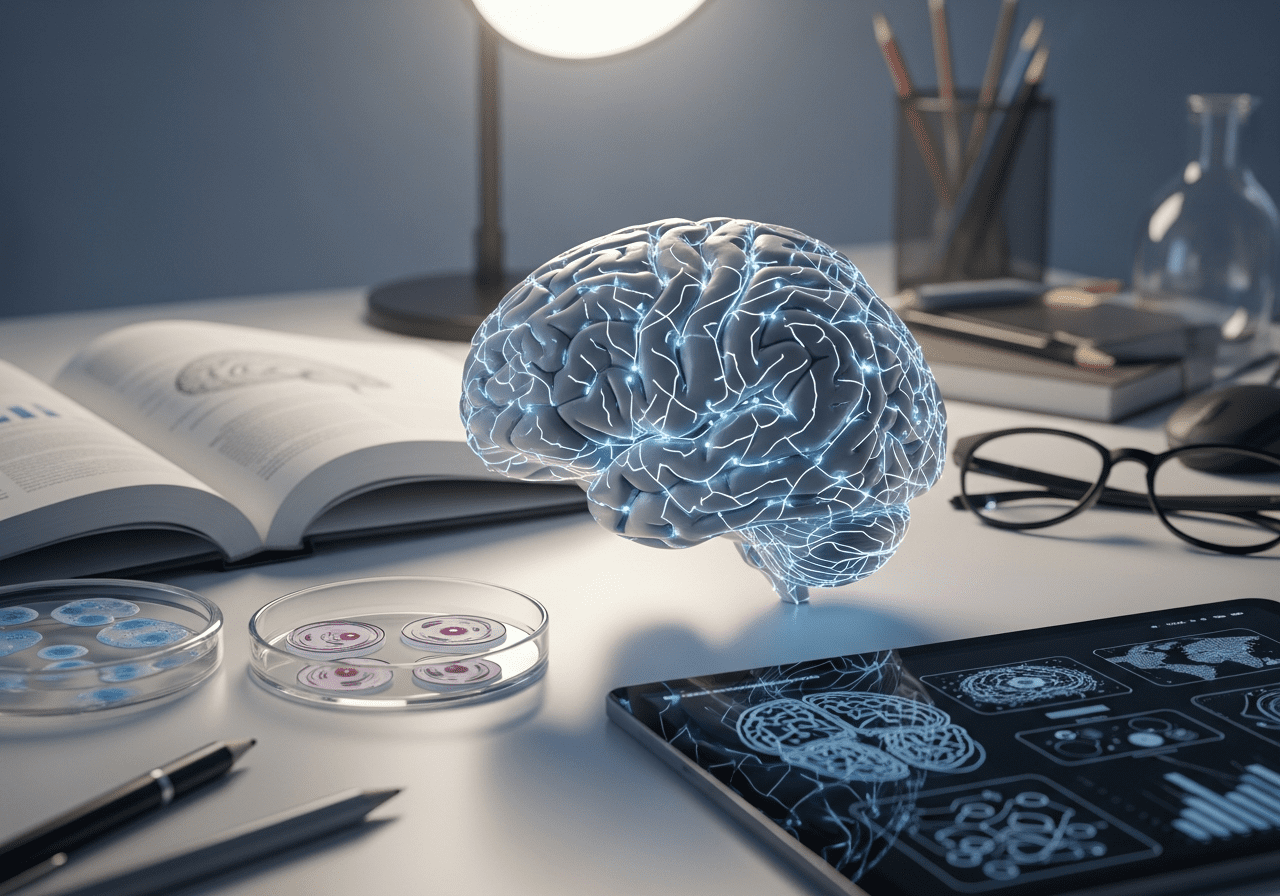
The landscape of mental health care is evolving rapidly. One promising approach to enhancing mental wellness is through the integration of neurofeedback and meditation. Neurofeedback offers a unique advantage for individuals new to meditation, addressing common challenges such as maintaining focus and achieving a mindful state. This blog explores how neurofeedback training can significantly improve meditation practices, particularly for novices seeking better mental health outcomes.
Understanding Neurofeedback and Meditation
Neurofeedback is a technique that uses real-time displays of brain activity. This helps individuals learn to regulate their brain functions. In the context of meditation, neurofeedback becomes a powerful tool for beginners. It provides immediate feedback on mental states, fostering improved focus and relaxation. Moreover, practitioners can observe their brainwave patterns, understanding how to reach various meditative states effectively.
Meditation benefits mental health in various ways, including reducing stress, anxiety, and depression. However, many novices struggle with initiating and maintaining a regular practice. Here, neurofeedback can bridge this gap by guiding users toward effective techniques that improve mindfulness. Research has shown that individuals using neurofeedback-assisted meditation frequently report enhanced emotional well-being and increased mindfulness.
Challenges in Meditation for Beginners
Many newcomers to meditation face specific challenges. Some common issues include:
- Difficulty concentrating on the meditation practice
- Struggling to stay in the moment, leading to frustration
- Lack of instant feedback on meditation progress
In inpatient and rehabilitation settings, these challenges can be more pronounced. Patients may already be dealing with significant stressors, making it tough to embrace meditation fully. Neurofeedback provides a structured approach that can help, especially in acute care environments. It offers patients a clear path to success, even amidst the complexity of their mental health conditions.
Examples of Neurofeedback Training in Mental Health Settings
In various mental health settings, neurofeedback is being integrated effectively. For instance:
- Outpatient clinics use neurofeedback to complement traditional therapy, allowing patients to monitor their progress over time.
- Autism centers are finding neurofeedback helpful in enhancing focus during therapy sessions.
- Rehabilitation facilities employ neurofeedback as part of a holistic treatment plan, fostering engagement and participation in meditation programs.
Each of these settings benefits from an innovative approach to mental health care. Providing neurofeedback allows clinicians, including licensed clinical social workers (LCSWs) and psychiatrists, to support their clients more effectively. This advancement can lead to improved patient outcomes across the board.
The Future of Neurofeedback and Meditation
The collaboration of neurofeedback training and meditation practices reflects broader trends in mental health. As technology advances, more tailored applications emerge to meet patient needs. Facilities that incorporate these practices can enhance operational efficiency and improve patient outcomes. Furthermore, adapting to these advancements prepares mental health providers for future industry shifts.
By staying informed about the benefits of neurofeedback, practitioners can address the needs of varied care populations. Understanding how neurofeedback can aid in managing anxiety, depression, and mindfulness encourages a more patient-centric approach. Thus, clinical leaders will be better positioned to implement these strategies effectively.
Conclusion
Integrating neurofeedback into meditation practices represents a forward-thinking approach in mental health care. As facilities look to enhance clinical care delivery and patient outcomes, technologies like neurofeedback offer tangible benefits. For mental health organizations, accessing talented professionals such as clinical psychologists, PMHNPs, BCBAs, and psychiatrists is critical. Pulivarthi Group serves as a valuable partner, helping healthcare providers connect with the hard-to-find mental health professionals necessary to implement these innovative techniques effectively. By doing so, organizations can advance their mission to support mental wellness across various care settings.