The healthcare sector is experiencing a remarkable transformation, particularly within rural hospital management. This change takes center stage in White Sulphur Springs, Montana, where Billy Rogers, a 26-year-old dynamic leader, has stepped into the CEO role at Mountainview Medical Center. His arrival represents a new generation of leaders, specifically Gen Z healthcare leaders, who bring fresh perspectives and innovative ideas to the table. Billy’s leadership comes at a critical junction, aligned with ongoing construction projects and challenges related to staff retention within rural hospitals. In this blog post, we will explore the impact of young leaders like Billy in the healthcare arena and the importance of community engagement tailored to meet the unique needs of rural healthcare facilities.
The Challenges of Transitioning Leadership
Transitioning leadership in healthcare presents complex challenges, especially for rural hospitals striving to retain talent. Billy Rogers embodies the hope and tenacity required to overcome these hurdles. As a newly appointed CEO, he navigates the delicate balance of leading a team while ensuring that the hospital continues to deliver high-quality care.
One critical challenge involves establishing trust and rapport with existing staff. Young leaders often face skepticism due to their inexperience, yet they can leverage technology and innovative approaches to foster a more inclusive work environment. For instance, Rogers has committed to regular town hall meetings to encourage open dialogue between hospital administrators and employees.
By addressing staff concerns and incorporating their feedback into decision-making, Rogers enhances staff morale and retention, combating the increased turnover that many rural hospitals experience. Streamlining internal communications and introducing mentorship programs can also attract and retain younger professionals who align with the hospital’s mission.
Engaging the Community for Sustainable Growth
Community engagement is pivotal in rural hospital management. Billy Rogers understands this fundamental truth and prioritizes building strong relationships with local residents. His leadership exemplifies a shift toward inclusive management strategies that seek community input and involvement.
For example, Rogers has initiated wellness programs tailored specifically for the community, addressing prevalent health issues and enhancing overall wellness. These initiatives—such as fitness classes and health screenings—create opportunities for engagement while promoting the hospital’s visibility in the community.
Furthermore, partnerships with local businesses for health programs can achieve mutual benefits, thereby enhancing the hospital’s reputation and relevance. By demonstrating genuine care for community health, Rogers is not just a hospital administrator; he’s a community leader fostering engagement and trust.
Managing Construction Projects: A Testament to Leadership
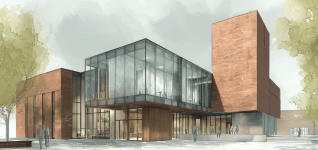
As hospital leadership transitions and community engagement unfolds, the ongoing construction of new facilities adds another layer of responsibility for Billy Rogers. Managing construction projects in rural healthcare settings requires a careful balance of innovative planning, community input, and adept oversight. Focusing on these aspects will ensure that new facilities are not only functional but also resonate with the community’s needs.
Rogers has emphasized transparent communication regarding the construction process, addressing potential disruptions while highlighting the long-term benefits. A strategic approach involves collaborating with contractors and healthcare planners who understand rural settings. This collaboration can lead to the creation of spaces designed to enhance patient care and improve staff workflow.
For instance, Rogers has implemented a community feedback loop, allowing residents to voice their needs and concerns regarding the new facilities. This input not only fosters a sense of ownership in the project but also ensures that the design reflects the community’s values. Moreover, utilizing local resources and labor for the construction project can reinforce community ties while contributing to the local economy.
Empowering Young Leaders in Healthcare
The emergence of Gen Z healthcare leaders like Billy Rogers signals a shift in how healthcare is managed, particularly within rural contexts. These young leaders are characterized by their tech-savviness and ability to adapt quickly to change. They offer innovative solutions to longstanding issues including staff recruitment and retention.
To further empower these emerging leaders, established healthcare organizations must invest in nurturing their professional development. Mentorship programs and leadership training sessions can equip young leaders with the skills necessary to navigate the complexities of healthcare management.
Supporting initiatives that foster cross-generational mentorship within hospitals can also create a culture of learning and adaptability. This relationship not only enhances the capabilities of younger leaders but also enriches the experience for seasoned professionals, instilling a sense of shared purpose, and support.
Enhancing Retention Strategies: Innovative Solutions
Retaining staff in rural hospitals like Mountainview Medical Center necessitates tailored strategies. Billy Rogers intends to revolutionize traditional retention methods by implementing programs that cater to the unique challenges faced by rural healthcare professionals.
One viable strategy is to offer competitive benefits and incentives tailored to the needs of the rural workforce. For instance, providing student loan repayment programs or housing assistance can make positions in rural healthcare more attractive to younger workers. Furthermore, initiatives aimed at improving work-life balance can significantly influence staff satisfaction.
Rogers believes that by involving personnel in decision-making processes, healthcare facilities can create an empowered workforce that feels valued and motivated to stay. Additionally, introducing employee wellness programs can foster a healthier work environment, thereby improving retention rates.
A Call for Community Support
As Billy Rogers leads Mountainview Medical Center into the future, robust community support is crucial. Rural hospitals represent extensive value, not only for the healthcare services they provide but also for the jobs they create and the economic stability they promote. Hence, a collaborative spirit between healthcare leaders and community members is essential.
Engaging in dialogue about healthcare services, utilization rates, and community health statistics allows residents to understand the value of their local hospital. As such, when community members recognize the importance of supporting their healthcare facilities, they contribute to a sustainable system that benefits everyone.
Consequently, the visibility of leadership position holders, like Billy Rogers, facilitates a deeper connection between hospitals and their communities. Their active participation in local events and initiatives demonstrates commitment and accessibility, fostering trust in hospital management.
Conclusion: Embracing the Future of Healthcare Leadership
The appointment of Billy Rogers as the youngest CEO of Mountainview Medical Center in White Sulphur Springs symbolizes a burgeoning shift in healthcare leadership, particularly within rural hospital management. These new Gen Z healthcare leaders bring modern perspectives and values into decision-making processes that prioritize community care and engagement, ensuring a sustainable future.
As healthcare professionals, hospital administrators, and community members recognize the significance of empowering young leaders, we can collectively enhance the way healthcare is managed. Through innovative community engagement, transparency, and enhanced retention strategies, rural hospitals will flourish under the guidance of capable leaders like Billy Rogers.
To learn more about innovative healthcare leadership and how to engage effectively with community resources, consider exploring opportunities for collaboration. By working together, we can create a cohesive approach to rural healthcare management that benefits professionals and community members alike.