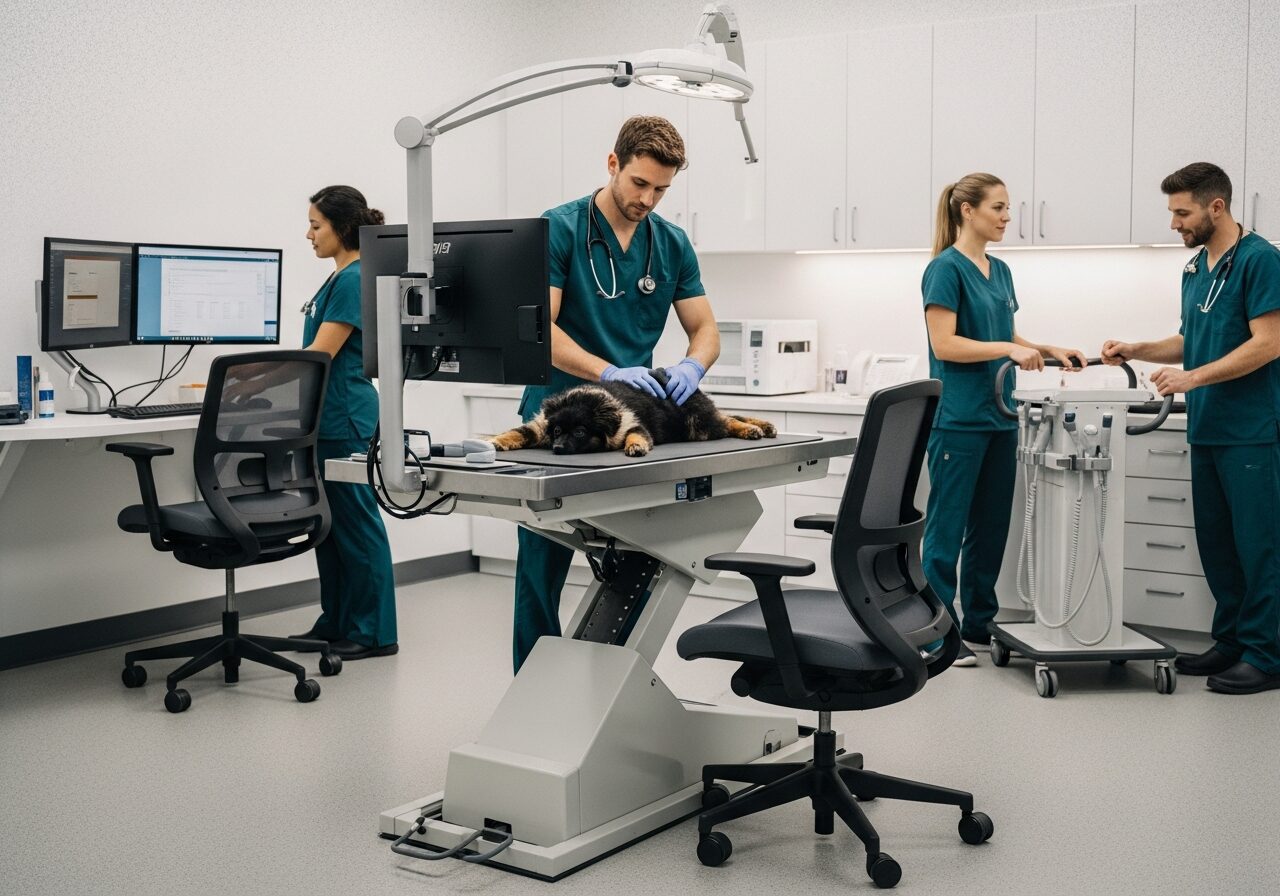
In the rapidly evolving veterinary landscape, clinical decision support systems are becoming indispensable. These technologies enhance the decision-making processes within veterinary practices. By integrating innovative veterinary technology, clinics can improve patient care and operational efficiency significantly.
Understanding Clinical Decision Support Systems
Clinical decision support (CDS) refers to a range of tools designed to enhance clinical decision-making. A robust CDS can assist veterinarians in diagnosing conditions, recommending treatments, and managing patient data efficiently. For example, by utilizing CDS, an Emergency Veterinarian can access patient histories instantly, thus facilitating swifter and more accurate diagnoses during critical situations.
Enhancing Decision-Making Processes
One of the primary challenges faced by veterinary clinics is the pressure to make rapid decisions that often affect patient outcomes. Given the variety of cases—from urgent care to general practice—clinics must adapt to various decision-making needs. In particular, a Board-Certified Veterinary Internal Medicine Specialist (DACVIM) may require more detailed support compared to a General Practice Veterinarian. By leveraging CDS, practices can streamline workflows, ultimately elevating the quality of patient care.
Implications for Clinical Teams
The integration of clinical decision support systems must be strategic. For Mixed Animal Veterinarians and Food Animal Veterinarians, utilizing tailored CDS can facilitate quicker access to species-specific medical protocols and treatment guidelines. Moreover, associates and clinical staff can enhance their learning through the system’s ongoing education features, providing a platform for consistent skills development.
The Role of Technology in Veterinary Practices
Veterinary technology adoption is crucial for improving operational efficiency. By automating data collection and analysis, clinics can focus more on direct patient care. For instance, adopting CDS tools helps Shelter Veterinarians manage large volumes of animals, ensuring that each one receives appropriate care based on real-time data analytics.
Industry Trends in Veterinary Decision Support
The veterinary industry is witnessing significant trends in the use of artificial intelligence and machine learning. These technologies assist in generating insights through data processing, allowing veterinarians to make evidence-based decisions. For example, an Urgent Care Veterinarian utilizing AI-driven CDS can quickly compare clinical signs and symptoms against a vast database, leading to more accurate diagnoses.
Conclusion
As veterinary clinics navigate the complexities of modern practice, adopting clinical decision support systems is critical. These technologies not only enhance decision-making but also improve overall patient care, making them essential tools for all veterinary roles. With the demand for skilled professionals across various specializations—such as Critical Care Veterinarians and Community Medicine Veterinarians—Pulivarthi Group stands ready to assist clinics in accessing the talent necessary to thrive. By partnering with us, your practice can focus on delivering top-notch veterinary care while we help find the right personnel for your needs.