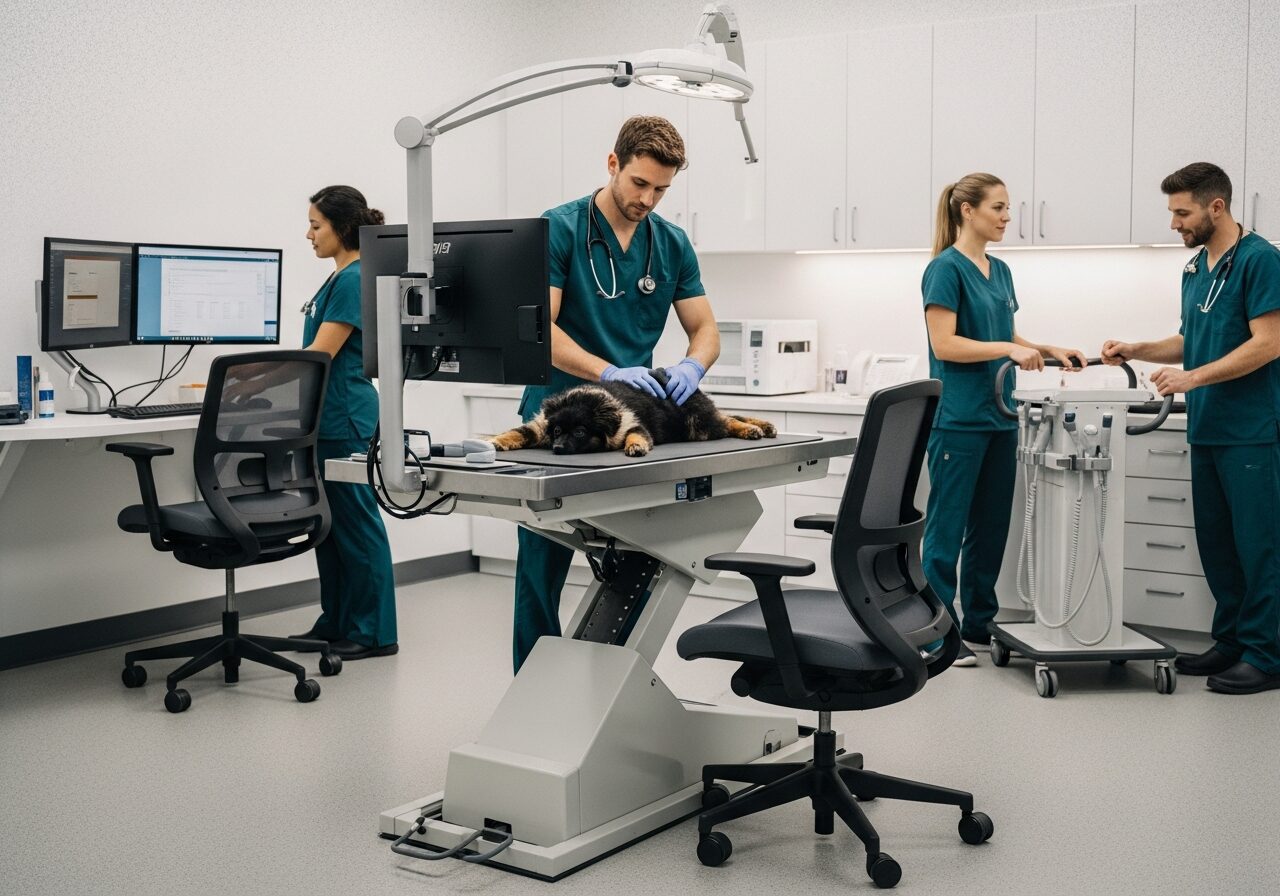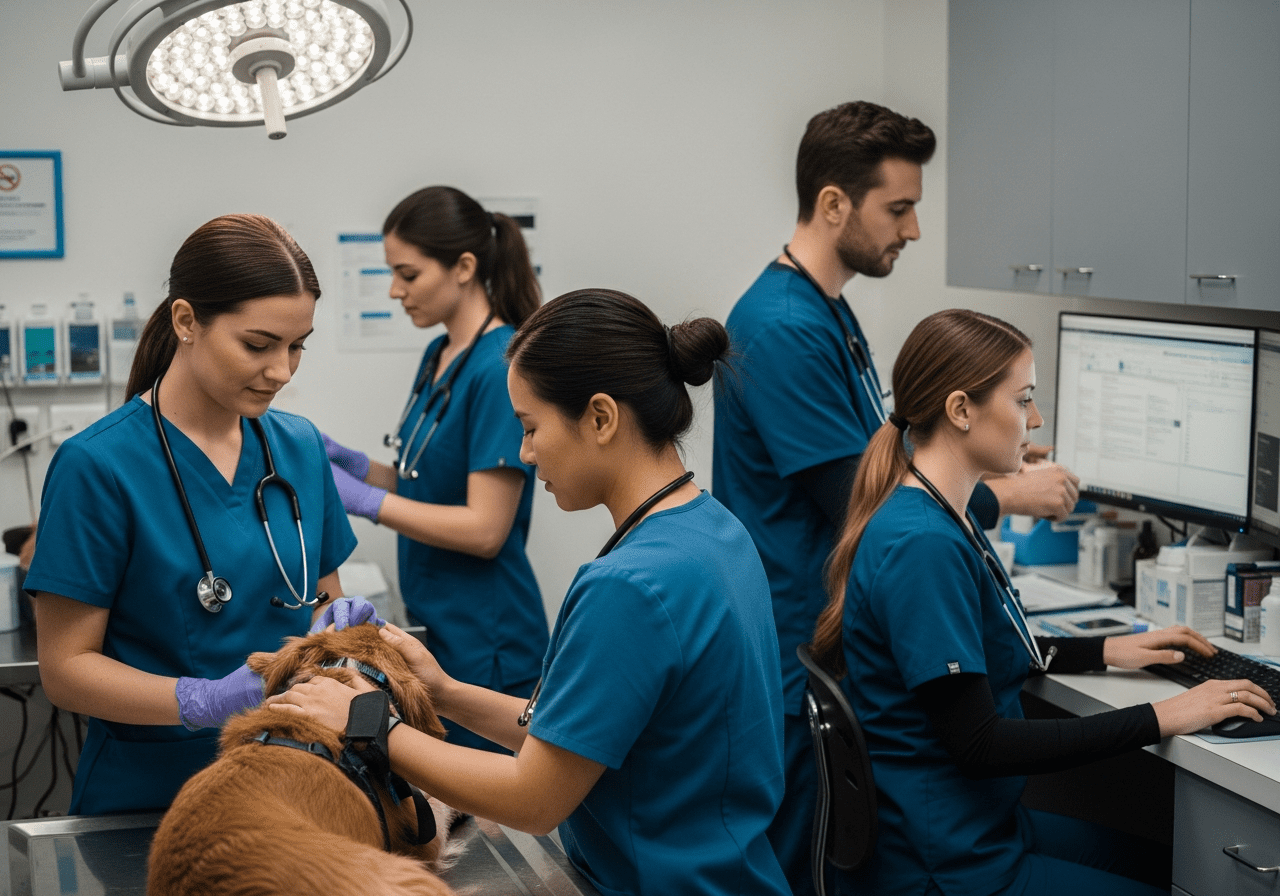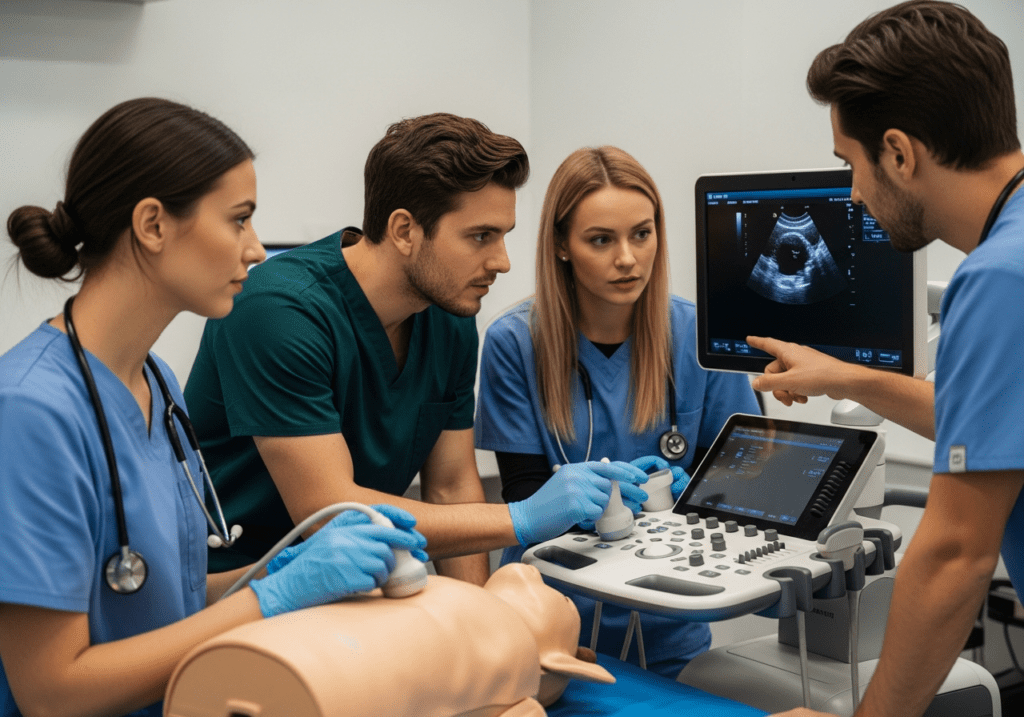
In recent years, the role of ultrasound training in veterinary education has gained significant attention. The evolution of teaching methods aims to enhance veterinary students’ confidence in ultrasound training. However, challenges remain, particularly regarding knowledge retention in image acquisition and interpretation. This post will explore effective teaching methods used in ultrasound training and their implications for veterinary clinics, ensuring that clinical teams are well-equipped to perform advanced diagnostic imaging.
Understanding the Importance of Ultrasound Training
Ultrasound training is crucial for various veterinary roles, including Emergency Veterinarians and Veterinary Internal Medicine Specialists. These professionals often rely on ultrasound to make rapid diagnostic decisions. As such, thorough training is essential. Unfortunately, many students struggle with image acquisition and interpretation, which can affect their clinical confidence.
Recent studies introduce novel teaching strategies that specifically address these challenges. They focus on enhancing both the practical skills of students and their theoretical understanding. This approach helps build a solid foundation in ultrasound techniques, ultimately improving patient care outcomes.
Teaching Methods for Enhanced Learning
One effective method includes a combination of hands-on practice and didactic instruction. For instance, integrating supervised ultrasound sessions with real-time feedback helps students develop their skills systematically. This model not only increases knowledge retention over time but also fosters a sense of confidence among students.
- Simulation-based training offers safe practice environments.
- Peer-to-peer learning enhances collaborative skills.
- Utilizing digital resources allows flexible learning opportunities.
Through these methods, students gain firsthand experience, improving their proficiency in ultrasound training. Furthermore, studies suggest that long-term retention of skills improves when training spans several months. Evaluating retention at 7 to 8 months post-training allows educators to adjust their methods appropriately.
Implications for Clinical Practice
Veterinary clinics can significantly benefit from adopting these effective teaching practices. By investing in comprehensive ultrasound training programs, clinics not only elevate their clinical standards but also enhance overall operational efficiency. For example, General Practice Veterinarians and Mixed Animal Veterinarians can utilize trained staff to streamline diagnostics and improve decision-making in patient care.
Additionally, considering the diverse needs of different veterinary roles is essential. Urge Care Veterinarians and Critical Care Veterinarians may require immediate access to ultrasound skills due to the nature of their work. Thus, implementing targeted training that addresses those immediate needs will further enhance efficiency within clinics.
Building a Confident Workforce
Building student confidence around ultrasound image acquisition and interpretation is vital. Strategies such as collective learning environments and mentorship opportunities can foster this confidence. Notably, mentorship allows seasoned staff to impart knowledge effectively. This transfer of expertise encourages continual learning and enhances retention rates.
Moreover, engaging veterinary students in community medicine programs also plays a significant role in training. Working with diverse cases provides practical exposure, aiding students in mastering ultrasound techniques, which directly benefits their future clinical roles.
Conclusion
In conclusion, the integration of effective teaching methods in ultrasound training represents a forward-thinking approach that veterinary clinics should embrace. By fostering confidence in ultrasound image acquisition and interpretation, veterinary educators can produce a competent workforce capable of meeting modern clinical demands. As veterinary clinics look to enhance their operational capabilities, introducing structured ultrasound training programs is an investment in patient care and staff confidence.
At Pulivarthi Group, we understand the significance of access to skilled veterinary professionals. We are dedicated to helping veterinary clinics find hard-to-source talents across various roles, from Emergency Veterinarians to Board-Certified Veterinary Internal Medicine Specialists (DACVIM). Our expertise in staffing solutions enables clinics to meet their operational needs effectively while ensuring high-quality patient care.