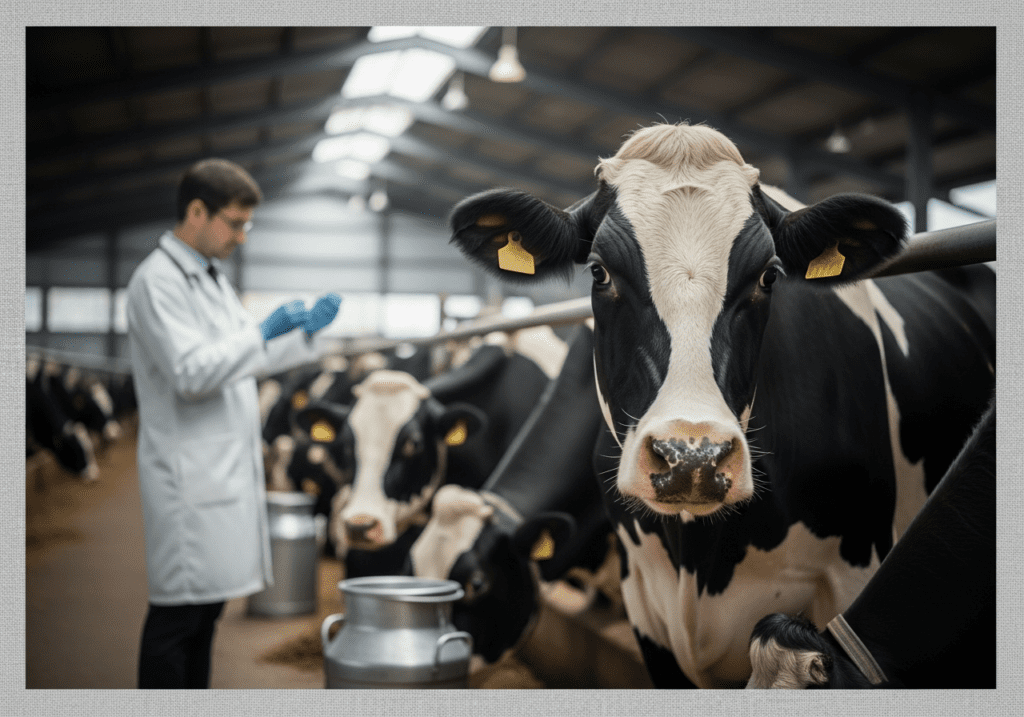
The recent emergence of H5N1 in dairy cattle has raised significant concerns among veterinary professionals globally. This avian influenza virus, primarily known for affecting birds, poses transmission risks unique to dairy cattle farming. Veterinary clinics play a crucial role in managing these risks to protect both animal health and public safety. Understanding the dynamics of H5N1 transmission and effective vaccination strategies is essential for mitigating this growing threat.
Understanding H5N1 Transmission Risks in Dairy Cattle
H5N1 can be transmitted through various routes, with airborne transmission being a major concern. The implications for dairy cattle are significant, especially in enclosed environments like barns. For veterinarians, particularly those involved in urgent care and emergency situations, early detection of symptoms is crucial. Symptoms may vary, making vigilance essential in identifying H5N1 outbreaks among cattle.
Why Veterinary Clinics Must Stay Informed
Veterinary clinics must prioritize ongoing education regarding H5N1, as new research and data emerge rapidly. Ignoring these developments could lead to a failure in effectively managing outbreaks. Dairy cattle producers rely heavily on veterinarians for expert advice on how to handle potential H5N1 exposure. Additionally, public health officials increasingly seek collaboration with veterinarians to contain the spread of zoonotic diseases.
Vaccination Strategies Against H5N1
A promising strategy lies in the development of dual-route vaccines for H5N1. These vaccines can provide broader immunity and address airborne transmission effectively. As a result, veterinary internal medicine specialists should advocate for vaccination protocols that incorporate both intramuscular and intranasal administration routes. Mixed animal veterinarians and food animal veterinarians can play a vital role in implementing these strategies at the farm level.
Implementing Best Practices in Clinical Settings
For practices focused on mixed and food animal care, instituting comprehensive health programs can help identify risks early. Regular health checks and close monitoring of animal behavior are critical. Furthermore, ensuring proper ventilation in barns can significantly reduce airborne virus concentration. Emergency veterinarians should emphasize these measures when advising on farm management practices.
Key Challenges Across Veterinary Roles
Veterinary practice owners and managers must recognize the distinct challenges faced by various roles in relation to H5N1. General practice veterinarians typically encounter fewer H5N1 cases but must remain knowledgeable about the risks. Urgent care veterinarians may handle cases at critical stages, making swift intervention vital. Specialists, like board-certified veterinary internal medicine specialists, can provide essential insights into treatment approaches when dealing with affected animals.
The Global Perspective on H5N1
Globally, H5N1 transmission in dairy cattle raises concerns beyond individual farms. Countries face economic challenges, impacting livestock production and public health strategies. As a response, veterinary teams worldwide must work collaboratively, sharing data and best practices. This cooperation enhances everyone’s ability to prevent outbreaks and respond efficiently.
Conclusion
In summary, addressing the risks associated with H5N1 transmission in dairy cattle requires a multifaceted approach from veterinary clinics. Continued education, effective vaccination strategies, and proactive health management practices are crucial. As a partner in veterinary staffing, Pulivarthi Group assists clinics in accessing a range of specialized talent. Whether needing an Associate Veterinarian, a Veterinary Internal Medicine Specialist, or an Emergency Veterinarian, we are here to support your clinical team. Together, we can enhance patient care and operational efficiency in tackling emerging health threats like H5N1.