Diagnosing canine forelimb lameness is a critical aspect of veterinary practice. It can significantly impact a dog’s quality of life and the owner’s satisfaction. Understanding the various causes of lameness, as well as differentiating between orthopedic and neurologic issues, is essential for all veterinary professionals. Misdiagnosis can lead to ineffective treatment plans and dissatisfied clients, making accurate diagnostics crucial across all veterinary roles, from general practice veterinarians to urgent care veterinarians.
Understanding the Causes of Canine Forelimb Lameness
When faced with a dog presenting lameness, identifying the underlying cause is the first step. Canine forelimb lameness can stem from various issues, including:
- Musculoskeletal injuries
- Joint diseases
- Neurologic conditions
- Tendon or ligament injuries
- Bone tumors
The diagnostic approach begins with a thorough history and physical examination. Observing the dog’s gait and noting any patterns in the lameness assists veterinary technicians and veterinarians in narrowing down potential causes. For instance, a sudden onset of lameness may indicate trauma, while a gradual decline could point to a degenerative condition.
Differentiating Between Orthopedic and Neurologic Issues
A significant challenge in diagnosing canine forelimb lameness is differentiating between orthopedic and neurologic problems. The location of the lameness and accompanying symptoms provide essential clues. For example:
- If the dog exhibits signs of pain when manipulating a specific joint, an orthopedic issue is likely.
- In contrast, if the forelimb lameness occurs alongside neurological signs like loss of coordination, a neurologic evaluation is necessary.
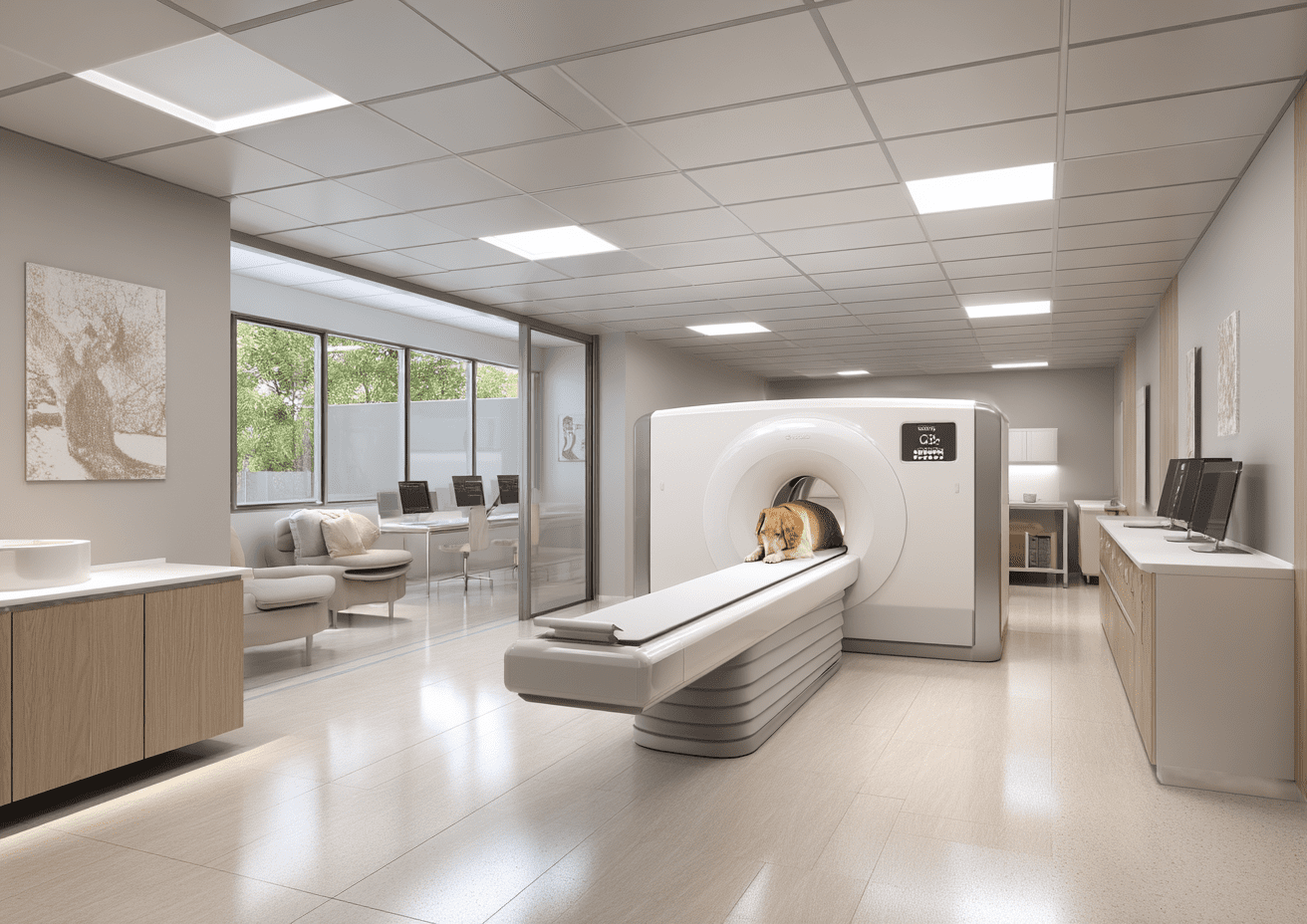
Utilizing diagnostic tools such as radiography and advanced imaging can help clarify ambiguities. These methods not only confirm musculoskeletal injuries but can also reveal underlying neurologic pathologies. Thus, multi-modal diagnostic approaches are essential for veterinarians, particularly those specializing in internal medicine.
Common Pitfalls in Lameness Diagnosis
Veterinarians must be aware of common pitfalls that can lead to misdiagnosis of canine forelimb lameness. These include:
- Over-reliance on visual examination alone without comprehensive diagnostic tests
- Failure to assess bilateral symptoms
- Not considering referred pain from other body areas
In addition, urgent care and emergency veterinarians must act quickly when evaluating lameness, as trauma may necessitate immediate treatment. Therefore, display an integrated approach where clinical staff contributes to discussions on diagnostic strategies and management plans.
Clinical Strategies for Improved Outcomes
Implementing robust clinical protocols can enhance the diagnosis of canine forelimb lameness across veterinary clinics. Recommendations include:
- Regular training sessions for clinical staff on advanced diagnostic skills.
- Establishing clear communication channels among associates and specialists, especially concerning unusual cases.
- Utilizing templates for physical examinations that highlight key areas to assess for lameness.
Employing a team-based approach fosters collaboration among veterinary technicians and general practice veterinarians, ensuring comprehensive evaluations. In this way, clinics can improve their overall diagnostic efficiency and patient care standards.
Conclusion
In conclusion, diagnosing canine forelimb lameness requires careful attention to detail and a multidisciplinary approach. By understanding the complexities of this issue, veterinarians can minimize misdiagnosis and improve patient outcomes. As a veterinary staffing agency, Pulivarthi Group is committed to supporting your clinic by connecting you with skilled professionals across various roles, including associate veterinarians, emergency veterinarians, and board-certified veterinary internal medicine specialists. Accessing top talent is crucial for enhancing care standards and addressing the increasingly complex scenarios you face in practice. We are here to help your clinic thrive.