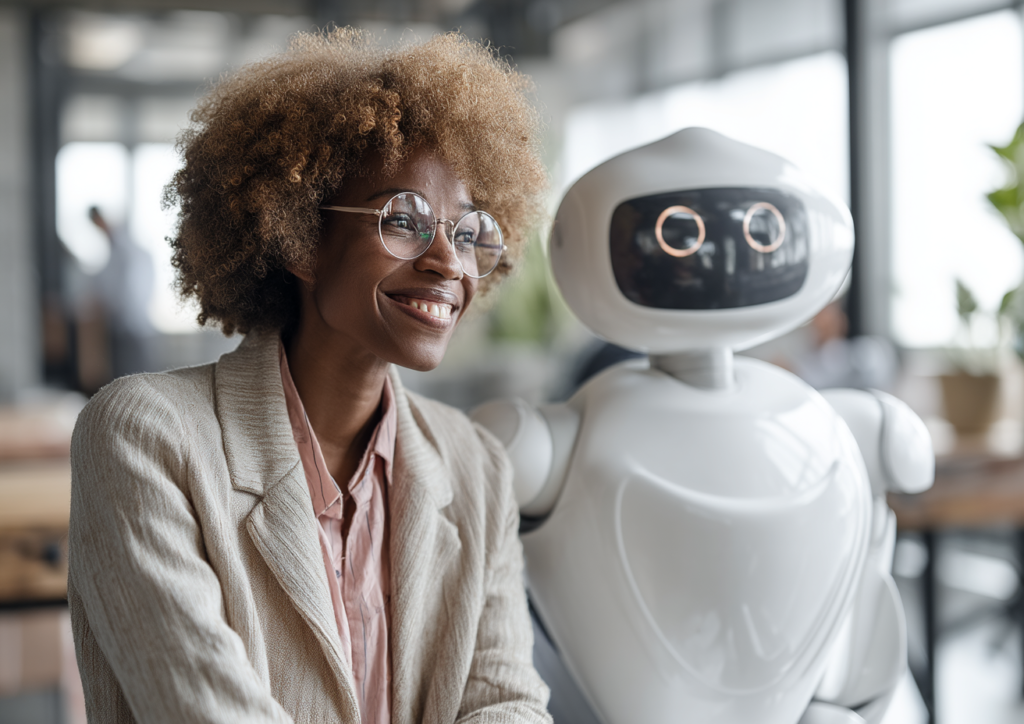
The rapid advancements in artificial intelligence (AI) are reshaping how mental health providers interact with their patients. A recent study published in Communications Psychology explores the fascinating topic of AI emotional connection and suggests that AI can sometimes foster an emotional closeness that rivals human interactions. This revelation raises important considerations for mental health clinics and anyone involved in clinical care delivery.
Understanding AI Emotional Connection
Human-AI interaction is increasingly relevant in settings ranging from outpatient clinics to rehabilitation facilities. The study outlines how AI systems, particularly those designed for therapeutic interactions, can influence patients’ perceptions of emotional support. As mental health professionals strive to enhance patient outcomes, understanding how these interactions can be optimized is crucial.
- What does emotional closeness mean in the context of human-computer interaction?
- How can AI applications be integrated into therapy to improve patient engagement?
- When might AI be perceived as a trusted confidant by patients?
Many professionals, including Clinical Psychologists and Licensed Clinical Social Workers (LCSWs), can leverage this knowledge in their practices. By incorporating AI tools into therapy sessions, clinicians can better capture patient emotions, leading to improved therapeutic alliances.
Challenges and Opportunities in Various Settings
Implementing AI solutions presents both challenges and opportunities across different care settings. For instance, outpatient clinics may face hurdles such as the need for high-speed internet and user-friendly interfaces. In contrast, inpatient facilities can benefit from AI’s capacity to monitor patient behaviors in real-time, thus enhancing safety and care continuity. However, there exists a bias against AI in forming social connections, challenging the acceptance of these technologies.
One area that warrants attention is how psychiatric mental health nurse practitioners (PMHNPs) can utilize AI to strengthen therapeutic relationships. The integration of AI in therapy may help PMHNPs assess non-verbal cues and emotional states more effectively, allowing for tailored interventions that resonate with patients.
Embracing AI in Mental Health Practice
As we delve deeper into conversations about emotional intelligence, it becomes evident that professionals must adapt. The implications of AI emotional connections extend beyond technology; they encompass ethical considerations, clinical practice standards, and workforce realities. How emotional intimacy is recreated in AI interactions offers fresh avenues for improving care.
- Why is it important for mental health practitioners to understand AI emotional connection?
- What are the regulatory implications of incorporating AI into therapeutic practices?
- How can mental health organizations support staff in adapting to new technologies?
As facilities explore incorporating AI into their practices, they must understand its role in enhancing operational efficiency and improving patient outcomes. Through AI, organizations can streamline administrative processes, thereby allowing clinical teams to focus more on direct patient care.
Conclusion
In conclusion, AI’s potential to foster emotional connections is a groundbreaking development in mental health. This is especially relevant for various roles, including Psychiatrists and Board Certified Behavior Analysts (BCBAs), who can benefit from insights into enhancing patient engagement through technology. As Pulivarthi Group positions itself as a leader in mental health staffing, we remain committed to supporting organizations in accessing sought-after mental health professionals across diverse settings. Together, we can navigate the evolving landscape and harness these technological advancements for improved patient care.