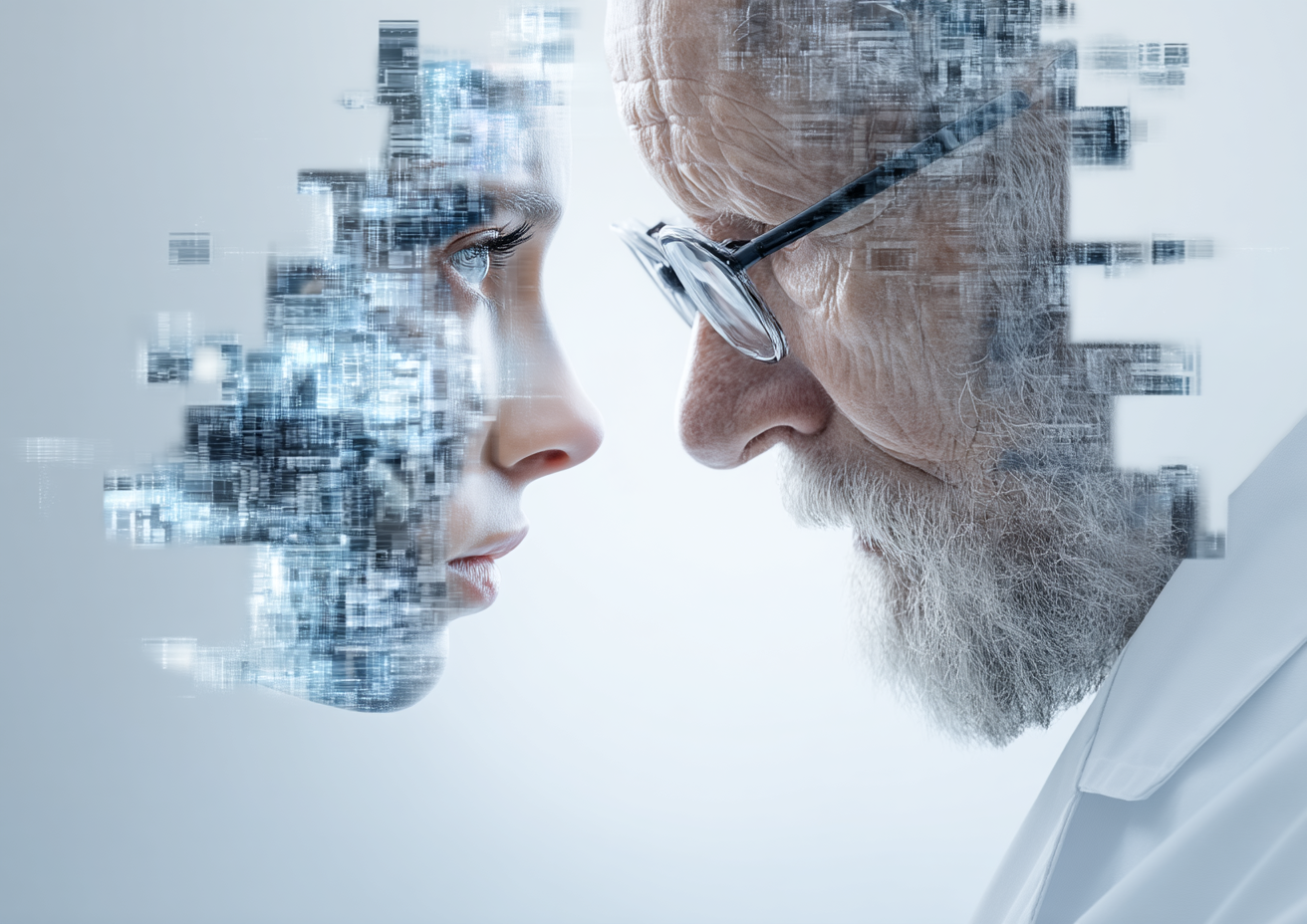
The rise of AI in healthcare has sparked a revolution in medical training, offering innovative tools for resident physicians to enhance their learning experience. A recent report from the American Medical Association focused on Geisinger residents in Danville, Pennsylvania, showcasing how they are integrating AI into their educational curriculum. This shift not only aims to improve medical education but also addresses key challenges such as training adequacy and the appropriate use of technology in clinical informatics.
As medical professionals, educators, and healthcare administrators navigate this changing landscape, understanding how AI can be effectively employed is crucial. In this blog post, we explore the applications of AI in medical education, discuss the associated challenges, and provide actionable insights on how these developments can shape the future of healthcare training.
Understanding the Role of AI in Medical Training
AI technologies range from machine learning algorithms that analyze patient data to virtual simulations that help medical students practice procedures safely. These innovations offer the potential to not only accelerate learning but also enhance diagnostic and treatment skills among residents. The report highlighted how Geisinger residents engage with AI tools, highlighting both the benefits and complications of incorporating such advanced technology in their training.
For instance, AI-driven simulations can provide instant feedback to residents, a feature traditional training methods often lack. Additionally, these technologies can analyze vast amounts of clinical data, helping trainees make informed decisions based on real-life scenarios. However, while the benefits are apparent, several challenges must be considered.
Key Challenges Faced by Resident Physicians
The integration of AI in medical education prompts essential questions regarding its impact on the learning experience. Firstly, the challenge of training adequacy arises. Not all resident physicians receive the comprehensive training needed to use AI tools effectively. Consequently, educators must ensure that curricula are updated to include AI-focused learning, equipping residents with the necessary skills.
Secondly, an essential hurdle is the appropriate use of AI. While AI can significantly augment medical training, there is a risk of over-reliance on technology. Residents need to develop critical thinking and clinical reasoning independently rather than defaulting to AI-generated recommendations. This balance is crucial for fostering competent and confident healthcare professionals.
Answering the Challenges: Solutions and Best Practices
To tackle these challenges, it is vital to implement tailored educational strategies. Here are some actionable insights:
- Integrate AI Training into Curriculum: Educational institutions should develop programs that specifically address the operational aspects of AI technologies. This could include workshops, practical training sessions, and online courses focused on AI applications in healthcare.
- Promote Critical Thinking: Encourage residents to engage in case discussions that require them to analyze data without always referring to AI suggestions. This practice strengthens their diagnosis and treatment capabilities.
- Continuous Professional Development: Healthcare professionals should participate in ongoing training to stay updated on new AI advancements and applications in medicine. This can involve attending conferences, webinars, and relevant online courses.
In addition to these recommendations, collaborating with experienced professionals and utilizing peer-learning platforms can help foster an environment where residents can share insights and experiences regarding AI applications.
The Way Forward: Enhancing Medical Training with AI
As the medical field embraces the potential of AI technologies, it becomes imperative to focus on the positive aspects of this integration. By addressing training inadequacies and ensuring proper usage, medical training programs can enhance the educational experience for residents. This transition not only prepares future physicians for a tech-driven healthcare system but also positively impacts patient outcomes.
Moreover, incorporating AI tools into medical training can lead to more personalized educational experiences. For example, AI systems can adapt learning modules based on individual resident performance, ensuring that all learners receive the assistance they need to excel. Such personalized approaches can help bridge knowledge gaps and improve overall competency among healthcare professionals.
Real-World Examples of AI Integration in Medical Training
Several healthcare institutions across the nation have begun implementing AI-driven educational programs as part of their curricula. For example, universities have integrated virtual reality simulations in anatomy courses, allowing students to explore the human body in three dimensions, enhancing their understanding of complex structures.
Additionally, AI-powered diagnostic assistance tools are being introduced in clinical rotations. These platforms help residents make informed decisions while treating patients, further bridging the gap between theory and practice. Programs like these have proven beneficial in fostering an environment that supports both technological innovation and critical medical thinking.
Exploring Future Possibilities with AI
As we look towards the future, the integration of AI into healthcare education is expected to expand further. Ongoing research will likely yield even more sophisticated AI applications designed to support resident physicians. Furthermore, collaborations between tech companies and medical institutions will be crucial in developing cutting-edge educational tools.
Thus, healthcare administrators play a pivotal role in ensuring that their institutions remain at the forefront of this technology-driven evolution. By advocating for investments in AI educational resources, they help shape the next generation of healthcare leaders prepared to leverage technology effectively.
Conclusion: Embracing AI in Medical Education
The integration of AI in medical training presents both opportunities and challenges for resident physicians. As demonstrated through the experiences of Geisinger residents, there’s a wealth of potential for improving educational outcomes. However, it necessitates a balanced approach to training and strategic investments in curriculum development.
To foster an environment conducive to learning, educators must stay informed about AI developments and strive for continuous enhancement of their teaching methodologies. Embracing AI not only paves the way for innovation in medical training but also ensures that healthcare professionals are equipped with the skills necessary to thrive in a rapidly evolving industry.
As medical professionals and educators, exploring how AI can enhance medical training becomes crucial for shaping the future of healthcare. By actively engaging with these technologies and addressing the challenges they present, we can foster a more effective and efficient medical education landscape.