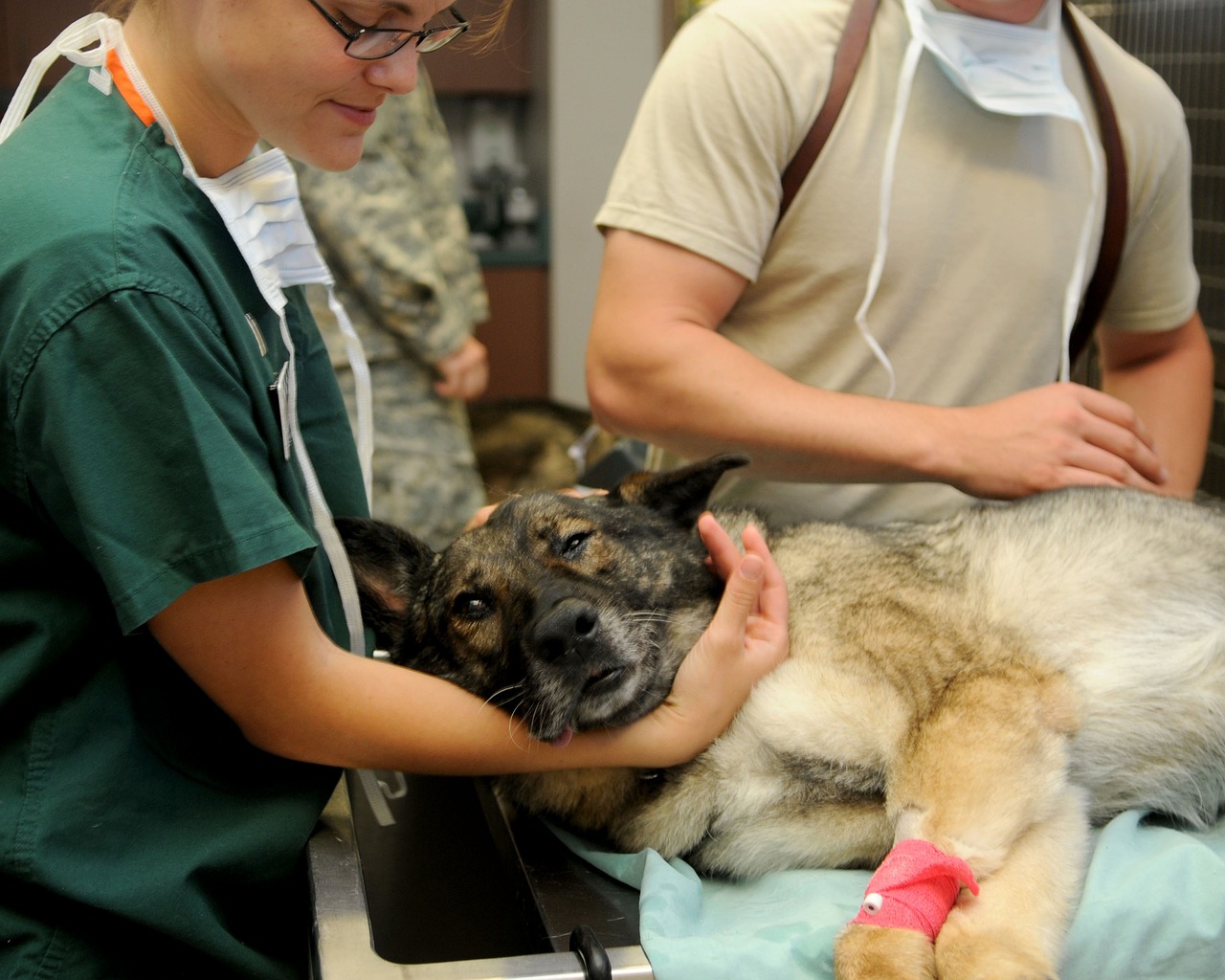
Hire Veterinary Internal Medicine Specialist
Hiring a Veterinary Internal Medicine Specialist is one of the most high-stakes recruitment decisions a referral hospital, specialty practice, or multi-location veterinary group can make. These specialists sit at the top of the clinical expertise ladder, managing complex, chronic, and life-threatening conditions that general practitioners cannot treat independently. If you are actively trying to hire a Veterinary Internal Medicine Specialist, you are likely facing limited candidate availability, extended time-to-fill, or escalating referral backlogs that directly impact revenue and reputation.
This page is written specifically for employers—not clinicians—who need to hire board-certified or residency-trained Veterinary Internal Medicine Specialists to support advanced diagnostics, specialty caseloads, and referral-driven growth. If your hospital depends on complex case management, specialty differentiation, and clinical authority, this role is non-negotiable.
Role Overview
A Veterinary Internal Medicine Specialist focuses on diagnosing and managing complex diseases affecting internal organ systems in animals, most commonly companion animals such as dogs and cats. These specialists handle cases that require advanced diagnostics, long-term disease management, and interdisciplinary collaboration.
In real clinical environments, Veterinary Internal Medicine Specialists typically:
-
Diagnose and manage endocrine, gastrointestinal, respiratory, renal, hepatic, and immune-mediated diseases
-
Interpret advanced diagnostics such as ultrasound, endoscopy, CT, MRI, and specialized lab panels
-
Manage chronic conditions requiring long-term treatment protocols
-
Consult on referred cases from general practitioners
-
Collaborate with surgeons, oncologists, cardiologists, and emergency teams
-
Communicate complex diagnoses and treatment plans to clients and referring veterinarians
From an employer’s perspective, this role directly influences:
-
Referral volume and case complexity capacity
-
Hospital revenue per case
-
Brand positioning as a specialty or referral center
-
Clinical outcomes and client trust
-
Retention of general practitioners who rely on specialist support
When a Veterinary Internal Medicine Specialist role is unfilled, hospitals often experience delayed diagnostics, lost referral opportunities, overloaded emergency teams, and reputational risk among referring clinics.
Hiring Challenges
Hiring a Veterinary Internal Medicine Specialist is exceptionally challenging due to extreme specialization and limited supply.
The most significant challenge is talent scarcity. Board-certified internal medicine specialists (DACVIM or equivalent) represent a small subset of the veterinary workforce. Residency programs produce limited numbers of graduates each year, and many specialists are quickly absorbed by academic institutions, corporate specialty hospitals, or research organizations.
Another major challenge is competitive hiring pressure. Referral hospitals and corporate veterinary groups compete nationally for the same candidates, often offering aggressive compensation packages, signing bonuses, and reduced clinical loads. Independent specialty practices frequently struggle to compete without a targeted recruitment strategy.
Credentialing complexity also slows hiring. Board certification status, residency completion, state licensure, and DEA registration must all be verified, often across multiple jurisdictions. Any delay can cost employers top candidates.
Additional hiring challenges include:
-
Vacancies lasting 180–300+ days
-
Candidates requiring relocation support
-
Limited willingness to increase caseload volume
-
High expectations around work-life balance and support staff
These factors make passive job postings ineffective and significantly increase the cost of prolonged vacancies.
Qualification Criteria
Defining “qualified” is critical when hiring a Veterinary Internal Medicine Specialist, as this role carries both clinical and reputational risk.
Minimum qualifications typically include:
-
Doctor of Veterinary Medicine (DVM or VMD) degree from an accredited institution
-
Completion of an approved residency in veterinary internal medicine
-
Board certification (DACVIM or equivalent), or board-eligible status
-
Active or eligible state veterinary license
-
DEA registration or eligibility
Beyond formal credentials, employers should evaluate:
-
Depth of experience managing complex, multi-system diseases
-
Proficiency with advanced diagnostic tools and interpretation
-
Ability to handle high-acuity referral caseloads
-
Strong communication skills with both clients and referring veterinarians
-
Willingness to collaborate within multi-specialty teams
For hospitals seeking to expand specialty services, experience with mentoring general practitioners or residents may also be a key qualification.
Clear qualification standards protect employers from mis-hires and ensure clinical credibility within referral networks.
Screening Checklist
Screening a Veterinary Internal Medicine Specialist requires precision and rigor.
Employers should validate:
-
Board certification or board eligibility status
-
Residency training details and case exposure
-
State licensure history and disciplinary records
-
Experience with referral-based caseloads
-
Comfort with case volume expectations
Red flags during screening may include:
-
Incomplete or unclear residency experience
-
Limited exposure to advanced diagnostics
-
Reluctance to handle referral pressure
-
Frequent job changes without justification
Cultural fit is equally important. Internal Medicine Specialists must work seamlessly with emergency clinicians, surgeons, technicians, and referring veterinarians. Candidates who resist collaboration or standardized protocols can disrupt hospital operations despite strong clinical skills.
Interview Questions
Interviewing a Veterinary Internal Medicine Specialist should focus on applied expertise, clinical judgment, and referral communication.
Effective scenario-based questions include:
-
Walk us through a complex multi-system case you managed and the outcome.
-
How do you prioritize diagnostics when multiple conditions are suspected?
-
Describe how you communicate long-term treatment plans to clients.
-
How do you collaborate with referring veterinarians on shared cases?
-
What support systems do you need to manage a high-volume referral caseload effectively?
These questions help employers assess not only technical skill but also communication style, decision-making under pressure, and alignment with hospital expectations.
Time-to-Fill Benchmarks
Time-to-fill for Veterinary Internal Medicine Specialists is among the longest in veterinary medicine.
Typical benchmarks include:
-
Standard hiring timelines of 180–240 days
-
High-demand metropolitan areas exceeding 300 days
-
Leadership or program-building roles extending even longer
Each month without an internal medicine specialist can result in:
-
Lost referral revenue
-
Increased case transfers to competitors
-
Reduced service offerings
-
Strain on emergency and general practice teams
Employers who wait too long to engage specialized hiring support often lose top candidates to faster-moving competitors.
CTA Section
If you are actively looking to hire a Veterinary Internal Medicine Specialist, speed and strategy are critical. Thus, this is not a role that can be filled through general job boards or passive outreach. Thus, qualified specialists are scarce, highly sought after, and decisive when the right opportunity appears.
A successful hire requires targeted sourcing, rigorous credential verification, and realistic alignment around caseload, support infrastructure, and growth opportunities.
Book a confidential consultation today to discuss your Veterinary Internal Medicine Specialist hiring needs, referral goals, and timeline expectations. A focused conversation now can protect revenue, strengthen clinical capabilities, and position your hospital for long-term specialty growth.