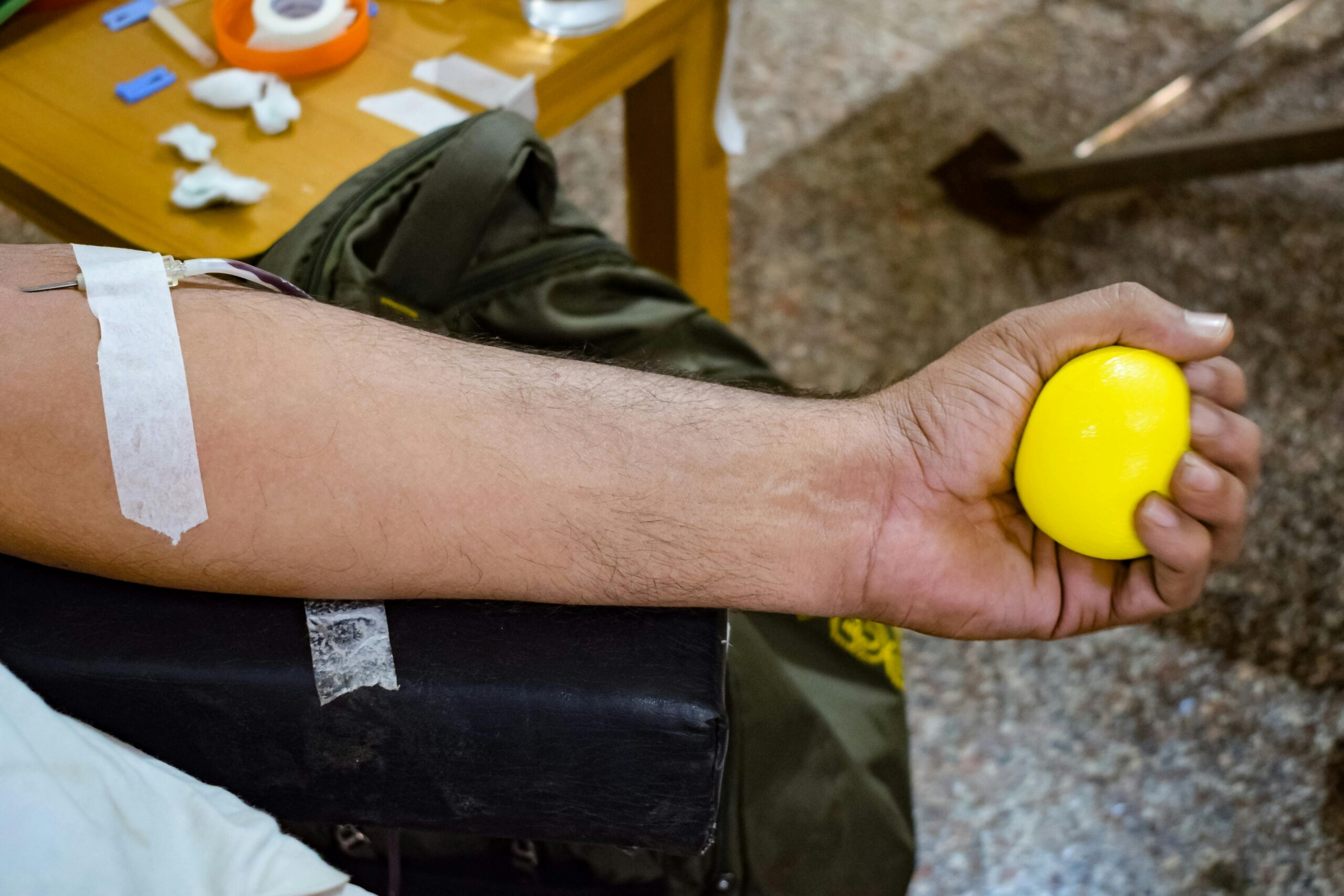
Hire Public Information Officer: In the Blood & Organ Banks industry, a Public Information Officer plays a crucial role. Their expertise enhances communication, drives community engagement, and fosters trust in vital services. Hiring top talent can significantly improve operations and outreach, ensuring effective public messaging and education.
Why Hire a Public Information Officer?
A Public Information Officer (PIO) is essential for organizations to effectively transmit information and manage public response. Their skills promote transparency and build confidence.
- Enhance Communication: A PIO ensures clear and consistent messaging, which is crucial for maintaining public trust and awareness about blood donation and organ transplants. This clarity can improve community support and engagement with health initiatives.
- Manage Media Relations: The PIO acts as a bridge between the organization and the media. They handle inquiries, craft press releases, and shape narratives that highlight the importance of blood and organ donation, helping to recruit donors effectively.
- Educate the Community: By providing essential information through workshops, brochures, and online platforms, a PIO plays a vital role in educating the community about donation processes and the impact of donations. They help dispel myths and encourage more individuals to participate.
- Handle Crisis Communication: In times of crisis, a PIO takes charge of communication. They inform stakeholders about the situation promptly and accurately, which can minimize panic and misinformation in the community.
- Improve Stakeholder Relationships: A skilled PIO fosters relationships with stakeholders, including healthcare providers and community organizations. This engagement can lead to partnerships that enhance resource sharing and community outreach efforts.
What Are the Types of Public Information Officer?
- PR Coordinator for Donation Centers: This role focuses on promoting specific blood and organ donation centers, coordinating local media events, and ensuring community partners are informed about initiatives.
- Media Relations Specialist: This position manages the organization’s interactions with the media. They secure coverage for events, respond to inquiries, and frame stories that support the goals of blood and organ donation.
- Community Education Specialist: This type of PIO designs and delivers educational programs, focusing on increasing public awareness about the benefits and need for blood and organ donations.
- Social Media Manager: This role is dedicated to managing social media channels, crafting engaging content to attract potential donors, and responding to community questions about donations.
- Event Coordinator: This PIO organizes outreach events, such as blood drives, ensuring logistical planning, public attendance, and media coverage to boost community participation.
Where to Find Public Information Officer?
- Online Job Boards: Posting on popular job boards can attract a wide array of candidates. However, the volume of applicants may be overwhelming and time-consuming to sift through.
- Staffing Agencies: Partnering with staffing agencies can save time and resources. They provide pre-vetted candidates quickly but might have higher fees compared to traditional hiring methods.
- Professional Networks: Networking events or professional social platforms can connect you with specialized PIOs. This method is effective but often relies on personal connections for success.
- Pulivarthi Group: By choosing Pulivarthi Group, you gain access to a pool of pre-vetted candidates, tailored solutions for your needs, and reduced hiring times, making the selection process seamless.
What Are the Challenges Faced While Hiring Public Information Officer?
- Assessing Skills: Identifying candidates with the specific skills needed for the blood and organ banking sector can be challenging. Without effective evaluation methods, hiring managers may overlook suitable applicants.
- Cultural Fit: Ensuring the candidate aligns with the organization’s values can be difficult. A poor fit may lead to low job satisfaction and increased turnover, impacting team dynamics.
- High Turnover Rates: The PIO role can attract candidates who move on after gaining experience. This turnover can disrupt continuity and affect ongoing public relations efforts.
- Limited Industry Knowledge: Candidates without a background in healthcare may struggle to understand industry-specific nuances. This gap can hinder their ability to communicate effectively with the public and media.
- Budget Constraints: Many organizations face limitations in salary offerings, making it hard to attract top talent. Low compensation can deter skilled PIOs from applying.
What Qualifications and Licenses Must a Public Information Officer Have?
- Degree in Communications or Public Relations: This foundational education is crucial as it provides essential knowledge in effective messaging and media strategies within the healthcare sector.
- Experience in Public Relations: Candidates should have at least three years of relevant experience. This background helps them navigate the unique challenges of blood and organ banks.
- Certification in Crisis Communication: Obtaining a certification showcases a professional’s ability to manage communication effectively during emergencies, a critical aspect for this role in the industry.
- Strong Writing Skills: Proficiency in writing press releases, articles, and educational material is necessary. Employers should evaluate a candidate’s writing samples to ensure quality and effectiveness.
- Familiarity with Healthcare Regulations: Understanding compliance issues related to blood and organ banks is vital. This knowledge ensures that communication adheres to industry standards.
Sample Public Information Officer Job Description
- Job Overview: The Public Information Officer will manage all communications efforts, serving as the primary liaison with the media and the public for our Blood and Organ Bank.
- Key Responsibilities: Responsibilities include creating press releases, managing social media, organizing community events, and handling public inquiries.
- Required Skills: Strong writing capabilities, excellent verbal communication, experience in media relations, and the ability to work under pressure are essential for this role.
- Qualifications: A Bachelor’s degree in Communications or a related field is required, along with at least three years of experience in a public relations or communications role.
Public Information Officer Interview Questions: What to Ask Public Information Officer at the Interview
- Can you describe your previous experience in healthcare communications? This question helps assess the candidate’s familiarity with industry-specific communication needs.
- How do you handle negative press or misinformation? Understanding their approach to crisis management is crucial for evaluating their skill set in challenging situations.
- What strategies do you use for community engagement? This insight shows their ability to create effective outreach programs that align with the organization’s goals.
- Can you share a sample press release you’ve authored? Reviewing their writing samples directly relates to their ability to communicate clearly and effectively.
- How do you prioritize media requests? This question evaluates their organizational skills and ability to handle competing communications demands.
When Should I Hire a Public Information Officer?
Hiring a Public Information Officer is essential during critical times, such as launching new donation drives, expanding services into new territories, or when facing community concerns. Organizations should also consider hiring when there is a need to fill specific knowledge gaps. A PIO can improve communication during these peak demands.
How Can I Test Public Information Officer Skills?
- Role-Specific Assessments: Administer assessments aligned with real-world scenarios encountered in the role. This can provide insights into the candidate’s problem-solving abilities in practice.
- Assign Real-World Tasks: Giving candidates real tasks, such as drafting press releases or planning a community event, can reveal their practical skills and strategic thinking.
- Review Past Project Outcomes: Ask candidates to share their contributions to successful past projects. Analyzing these examples highlights their effectiveness and creativity.
- Conduct Panel Interviews: Involving multiple interviewers can offer diverse perspectives on the candidate’s capabilities, ensuring a well-rounded evaluation.
How to Conduct an Effective Cultural Fit Assessment for Public Information Officer?
- Ask Situational Questions: Questions that ask about past experiences can reveal how candidates align with organizational values and norms, providing insight into their adaptability.
- Review Alignment with Company Values: Discuss how the candidate’s beliefs align with the organization’s mission and values, ensuring a coherent workplace culture.
- Involve Team Members in the Interview Process: Including potential coworkers in the interview can help gauge how well the candidate fits with the existing team’s dynamics.
- Evaluate Communication Style: Observing how candidates articulate their thoughts can reveal their approach to communication, which is crucial in a PIO role.
What Is the Average Salary of a Public Information Officer in the US?
The average salary for a Public Information Officer in the U.S. ranges from $50,000 to $80,000 annually. It depends on experience, location, and the specific sector. Those working in blood and organ banks may see salaries on the higher end due to the specialized knowledge required. Trends show that larger metropolitan areas tend to offer higher salaries compared to rural regions.
What Are Some Public Information Officer-Specific SOPs, and How to Create Them?
- Press Release Development SOP: This outlines the process for drafting, reviewing, and distributing press releases, ensuring consistent communication across the organization.
- Crisis Communication SOP: A vital protocol that guides how to manage and respond to emergencies, helping to maintain public trust during challenging times.
- Community Outreach SOP: This SOP details steps for engaging with the community, organizing events, and disseminating educational materials effectively.
- Media Engagement SOP: This document sets forth strategies for approaching media outlets, managing inquiries, and fostering positive relationships.
How to Retain Public Information Officer Effectively?
- Offer Competitive Benefits: Providing competitive salaries and comprehensive benefits can attract and keep talented PIOs, making them feel valued within the organization.
- Foster a Supportive Work Environment: Creating an inclusive culture encourages teamwork and employee loyalty, reducing turnover rates and improving job satisfaction.
- Provide Professional Development Opportunities: Offering training and development programs allows PIOs to enhance their skills and adapt to evolving industry demands, which increases retention.
- Encourage Work-Life Balance: Flexible working hours or remote work options help employees maintain balance, leading to greater job satisfaction and long-term commitment.
Hire Public Information Officer with Pulivarthi Group
Partnering with Pulivarthi Group ensures you access pre-vetted, skilled Public Information Officers. These professionals understand the unique aspects of the Blood & Organ Banks industry. Our expertise streamlines the hiring process, saving you time and resources while providing tailored solutions that align with your goals. Let us help you enhance your public relations efforts with top-tier talent today.