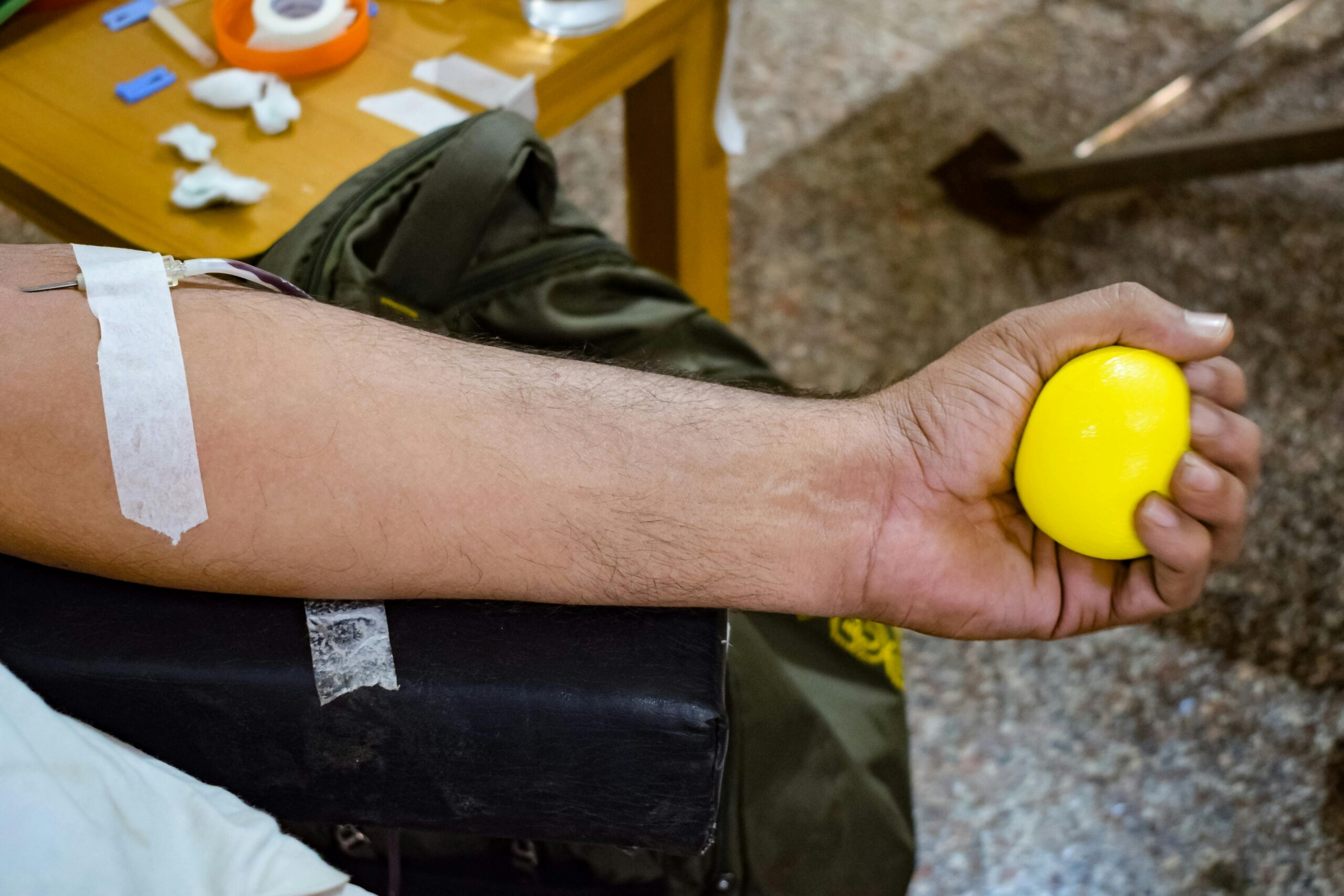
Hire Phlebotomist: Phlebotomists play a vital role in the Blood & Organ Banks industry, ensuring efficient and safe blood collection. Hiring skilled professionals not only enhances operational efficiency but also maintains the integrity of the blood supply. A top-notch phlebotomist helps organizations better serve their communities.
Why Hire a Phlebotomist – Blood Bank?
Phlebotomists are essential to the success of blood banks. They perform critical tasks that ensure smooth operations and patient safety.
- Quality Blood Collection: Phlebotomists ensure high-quality blood collection, reducing the risk of contamination. Their expertise directly impacts the safety and usability of blood products.
- Operational Efficiency: Hiring a skilled phlebotomist speeds up the blood collection process. This efficiency can help meet donor and patient needs more effectively.
- Reduced Turnover Rates: A competent phlebotomist contributes to team stability. Keeping skilled professionals reduces training costs and improves team morale.
- Patient Comfort: An experienced phlebotomist knows how to manage donor anxiety, ensuring a more comfortable experience. This fosters better donor relationships and encourages repeat donations.
What Are the Types of Phlebotomist – Blood Bank?
- Certified Phlebotomist: These professionals possess certification from recognized organizations. They are trained in proper blood draw techniques and patient care, making them indispensable in blood banks.
- Donor Blood Draw Specialist: Specialized in drawing blood from donors, this type focuses on ensuring donor safety and comfort. Their skills are crucial during blood drives and donation events.
- Mobile Phlebotomist: This type travels to various locations to perform blood draws. They are especially valuable in increasing access to blood donation, meeting community needs effectively.
- Laboratory Phlebotomist: Working closely with lab technicians, they collect samples for testing. Their expertise supports diagnostic processes and ensures the accurate handling of specimens.
Where to Hire Phlebotomist – Blood Bank?
- Online Job Boards: Websites like Indeed or Glassdoor are useful for reaching a broad audience. However, you may spend time filtering through many applications.
- Staffing Agencies: Agencies specialize in healthcare staffing and can help you find pre-vetted candidates quickly. They reduce hiring time and ensure you get the right fit for your needs.
- Professional Networks: Networking through industry connections can yield recommendations. This can limit your options, but often leads to trusted candidates.
What Are the Challenges Faced While Hiring Phlebotomist – Blood Bank?
- Assessing Skills: Evaluating a candidate’s technical skills during interviews can be challenging. Without practical tests, you might overlook a candidate’s true capabilities.
- Cultural Fit: Ensuring a candidate aligns with your organization’s culture is crucial for team dynamics. A mismatch can lead to low morale and high turnover.
- High Turnover Rates: The blood bank industry often sees high turnover. This can lead to increased costs for training new hires and can affect overall service quality.
- Limited Experience: Finding candidates with the right experience in blood banks can be tough. Inexperienced phlebotomists might require more training, delaying service provision.
What Qualifications and Licenses Must a Phlebotomist – Blood Bank Have?
- High School Diploma: A basic educational requirement, this ensures candidates have foundational knowledge. Most programs look for candidates with a diploma as a stepping stone to higher education.
- Phlebotomy Certification: Certifications from accredited bodies confirm a candidate’s training and knowledge in safe blood collection practices. It instills confidence in employers and clients alike.
- CPR Certification: Having CPR training is essential for all healthcare workers, including phlebotomists. This certification ensures they can respond appropriately in emergencies.
- Hands-On Training: Practical experience is critical for developing skills. Candidates should complete a training program that includes internships or clinical practice to gain real-world experience.
Sample Phlebotomist – Blood Bank Job Description
Job Overview: We need a dedicated Phlebotomist to join our blood bank team. Key Responsibilities: Include performing blood draws, maintaining equipment, and ensuring donor safety. Required Skills: Excellent communication, attention to detail, and strong organizational abilities are essential. Qualifications: A certified phlebotomist with hands-on experience is preferred.
Phlebotomist – Blood Bank Interview Questions: What to Ask Phlebotomist – Blood Bank at the Interview
- Can you describe your experience with different blood collection techniques? This question assesses their technical knowledge and hands-on experience.
- How do you ensure patient comfort during blood draws? This evaluates their approach to donor care and communication skills.
- What protocols do you follow to maintain safety and hygiene? This question checks for compliance with industry standards.
- How do you handle difficult patients or donors? Assessing their problem-solving skills is critical for real-world scenarios.
- Can you provide an example of a challenging blood draw and how you managed it? This offers insight into their experience and adaptability.
When Should I Hire a Phlebotomist – Blood Bank?
Hiring a Phlebotomist – Blood Bank is essential when you face peak project demands, expand services, or need to fill critical skill gaps. During blood drives or special events, having additional phlebotomists can significantly improve donor experience and operational flow. Prompt hiring ensures you meet community needs effectively.
How Can I Test Phlebotomist – Blood Bank Skills?
- Role-Specific Assessments: Design assessments that mimic real-life blood draw situations. This allows you to evaluate candidates based on practical skills.
- Real-World Tasks: Assign practical tasks to see how candidates handle pressure and improve their competencies in a controlled environment.
- Mock Interviews: Conduct interviews with scenario-based questions. This can help assess their knowledge and problem-solving skills effectively.
- Reviewing Past Outcomes: Ask for references or examples of previous work. Insights from past supervisors can give a clearer picture of their capabilities.
How to Conduct an Effective Cultural Fit Assessment for Phlebotomist – Blood Bank?
- Situational Questions: Ask candidates how they would respond in various scenarios. This helps assess their decision-making and alignment with your values.
- Company Values Review: Discuss your organization’s values and see how candidates relate to them. A shared understanding can enhance team cohesion.
- Team Member Involvement: Include team members in the interview process. Their perspectives can provide insights into a candidate’s potential fit within the team.
- Assessment of Communication Styles: Observe how candidates communicate during the interview. This can reveal their compatibility with your team’s communication style.
What Is the Average Salary of a Phlebotomist – Blood Bank in the US?
The average salary for a Phlebotomist – Blood Bank in the US ranges from $35,000 to $50,000 per year, depending on experience and location. Experienced phlebotomists in high-demand areas may earn more, reflecting regional differences and industry standards. Over recent years, salaries have shown a gradual increase due to rising demand for skilled professionals in healthcare.
What Are Some Phlebotomist – Blood Bank-Specific SOPs, and How to Create Them?
- Blood Collection Procedures: Detail the steps for safe blood collection to ensure consistency and minimize risks. This SOP is crucial for maintaining quality and safety.
- Equipment Maintenance Protocols: Outline regular checks and maintenance for all phlebotomy tools. This helps prevent equipment failure and improves service reliability.
- Emergency Response Procedures: Define actions to take in emergency situations during a blood draw. This ensures staff readiness and donor safety.
- Donor Screening Guidelines: Establish criteria for screening donors effectively. This helps protect both donors and patients relying on blood products.
How to Retain Phlebotomist – Blood Bank Effectively?
- Offer Competitive Benefits: Providing attractive benefits, such as health insurance and retirement plans, can help retain skilled phlebotomists. A good benefits package enhances overall job satisfaction.
- Foster a Supportive Work Environment: Create a positive workplace culture where team members feel valued. Supportive environments enhance employee loyalty and performance.
- Provide Professional Development: Investing in continuous training and career growth opportunities is essential. Thus, this encourages employees to stay and advance their careers within your organization.
- Encourage Team Building: Organize team-building activities that promote camaraderie. Strong relationships within the team can boost morale and reduce turnover.
Hire Phlebotomist – Blood Bank with Pulivarthi Group
Partnering with Pulivarthi Group can streamline your hiring process for Phlebotomists in the Blood Bank sector. We focus on delivering pre-vetted, skilled professionals who meet your specific needs. Thus, our expertise allows you to save time and resources while achieving your organizational goals. Let us help you build a strong phlebotomy team today!