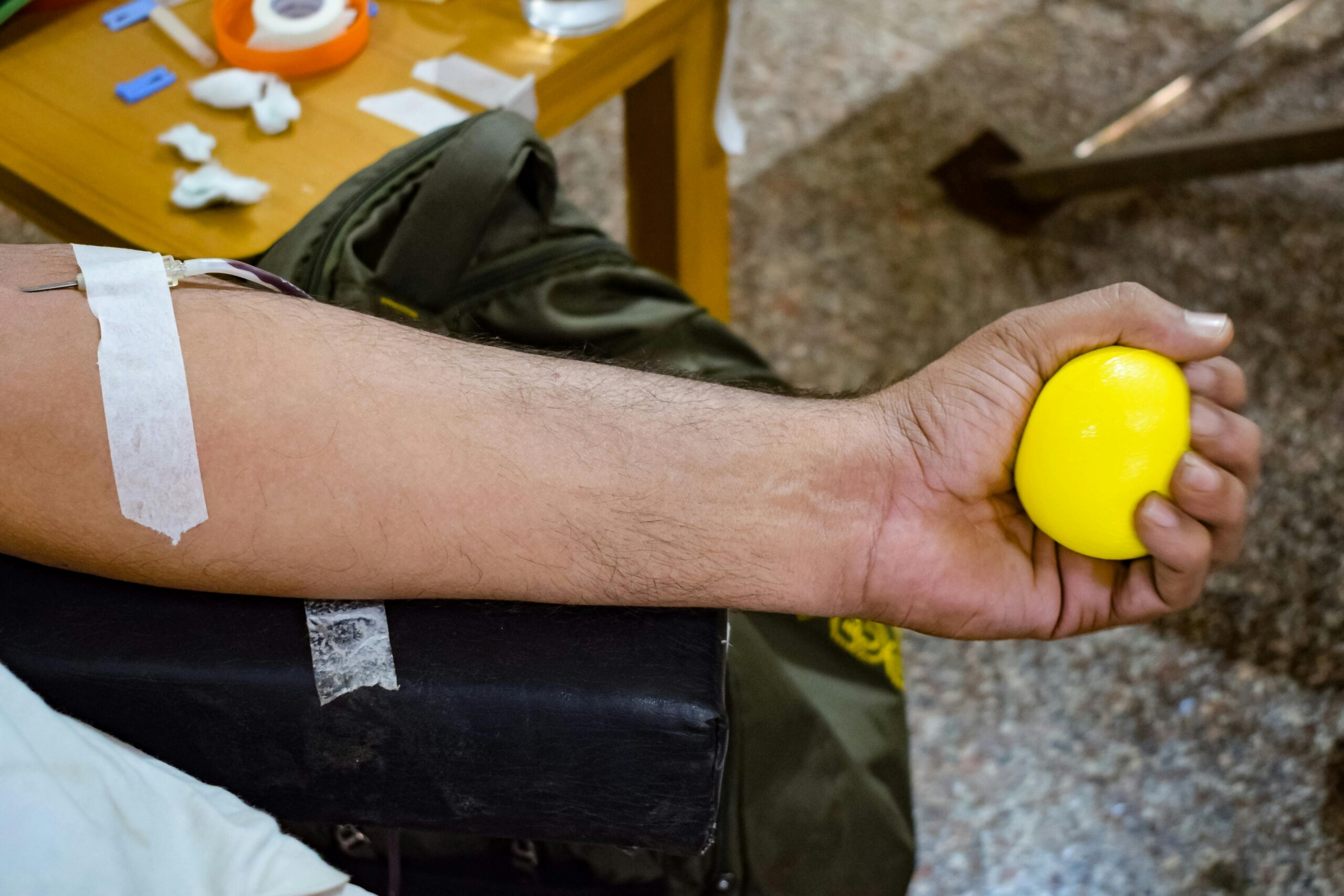
Hire Living Donor Coordinator: The role of a Living Donor Coordinator is vital in the Blood & Organ Banks industry. These professionals manage donor connections and ensure smooth operations in organ transplantation. Hiring experienced Living Donor Coordinators can lead to better patient outcomes and streamlined processes for your organization.
Why Hire a Living Donor Coordinator?
Living Donor Coordinators are essential for enhancing organizational efficiency and supporting the overall transplant process.
- Expertise in Donor Management: Living Donor Coordinators possess specialized knowledge in identifying and managing potential living organ donors. Their experience aids in navigating complex regulations and ethical considerations, leading to more effective donor recruitment.
- Improved Patient Care: By facilitating communication between donors and recipients, these coordinators enhance patient experiences. They ensure that donors are well-informed and supported throughout their journey, which significantly contributes to positive transplant outcomes.
- Operational Efficiency: With a dedicated coordinator, your organization can streamline processes related to donor eligibility and documentation. This efficiency minimizes delays and errors, allowing healthcare staff to focus on critical patient care functions.
- Increased Donor Retention: Living Donor Coordinators build trust with donors, addressing their concerns and needs effectively. By fostering relationships, they increase the likelihood of donors completing the transplant process, directly benefiting patients in need.
- Data Management and Compliance: These professionals play a pivotal role in maintaining donor records and compliance with healthcare regulations. Their ability to manage data effectively ensures your organization meets both legal and ethical responsibilities.
What Are the Types of Living Donor Coordinator?
- Transplant Donor Liaison: This coordinator focuses on building relationships with potential donors, explaining the process, and addressing any concerns. They are crucial during outreach initiatives and community education.
- Kidney Donor Coordinator: Specializing in kidney transplants, this coordinator assesses donor eligibility, schedules evaluations, and coordinates with medical teams. Their expertise ensures a smooth transition for kidney donors.
- Donor Eligibility Specialist: This role involves evaluating prospective donors to ensure they meet all eligibility criteria. They assess medical histories and determine suitability for donation, protecting both donors and recipients.
- Pediatric Living Donor Coordinator: Focused on younger patients, this coordinator engages with families, explaining the donation process in a way that resonates with children and their guardians, ensuring a supportive experience.
- Community Outreach Coordinator: This type promotes awareness about living donations, working to eliminate stigma and increase volunteer donor registration. Their efforts are valuable for enhancing community engagement and donor recruitment.
Where to Find Living Donor Coordinator?
- Online Job Boards: Popular platforms provide access to a large pool of candidates. However, sifting through unqualified applications can be time-consuming. Partnering with Pulivarthi Group saves time by offering pre-vetted candidates who meet your needs.
- Staffing Agencies: These agencies specialize in healthcare placements. They can offer tailored solutions to meet specific requirements but may require additional costs. Pulivarthi Group guarantees quality and efficiency by presenting candidates who fit well within your organization.
- Professional Networks: Networking within industry groups can yield referrals to qualified candidates. While effective, unstructured referrals may lead to inconsistent quality. Collaborating with Pulivarthi Group ensures you receive candidates with documented qualifications and experience.
What Are the Challenges Faced While Hiring Living Donor Coordinator?
- Assessing Relevant Skills: Identifying a candidate’s true abilities can be challenging during interviews. Many applicants may excel in interviews but lack practical skills, leading to poor hires and operational disruptions.
- Cultural Fit Concerns: Ensuring that a new hire aligns with your organization’s values and culture is crucial for teamwork. A mismatch can lead to conflicts and high turnover, impacting the overall morale of your team.
- High Turnover Rates: This sector often sees quick turnover due to stress and burnout. This instability can hinder continuity in patient care and affect donor relationships, creating additional challenges for the organization.
- Regulatory Compliance Challenges: New coordinators must adapt quickly to complex regulations governing organ donation. Hiring someone without experience may lead to compliance issues and potential legal ramifications.
What Qualifications and Licenses Must a Living Donor Coordinator Have?
- Relevant Degree: Most positions require at least a bachelor’s degree in nursing, social work, or healthcare administration. This educational background equips them with essential knowledge about the medical processes surrounding organ donation.
- Certification: Certifications specific to transplant coordination add credibility. They confirm the candidate’s commitment to the field and ability to navigate delicate donor discussions and processes effectively.
- Years of Experience: Ideally, candidates should have 2–5 years of experience in related healthcare roles. This experience helps them develop the comprehensive skill set needed to manage donor complexities efficiently.
- Licensure: Certain state licenses (such as RN or LCSW) may be required depending on responsibilities. These licenses show that coordinators have met rigorous professional standards, assuring compliance and competency.
Sample Living Donor Coordinator Job Description
Job Overview: The Living Donor Coordinator manages living donor relationships to facilitate organ transplants. This role requires effective communication and organizational skills to navigate complex donor needs.
Key Responsibilities: Duties include assessing donor suitability, managing documentation, and coordinating communication between donors and medical teams.
Required Skills: Ideal candidates should demonstrate problem-solving abilities, excellent interpersonal skills, and proficiency in healthcare management.
Qualifications: Candidates need a bachelor’s degree in a relevant field and experience in healthcare or donor coordination.
Living Donor Coordinator Interview Questions: What to Ask Living Donor Coordinator at the Interview
- Can you describe your experience with donor management? This question helps assess their direct experience and understanding of donor-related processes.
- How do you handle sensitive situations with potential donors? This gauge assesses emotional intelligence and conflict resolution skills, which are crucial in this role.
- What steps do you take to ensure compliance with regulations? This question explores their knowledge of compliance and commitment to maintaining industry standards.
- How do you support donor communication? This focuses on their strategies for facilitating open communication between donors and healthcare teams.
- What methods do you use to assess donor eligibility? This provides insight into their technical skills and familiarity with the screening process.
When Should I Hire a Living Donor Coordinator?
Organizations should consider hiring a Living Donor Coordinator during peak operational demands, such as when the transplant volume increases or service lines expand. Additionally, filling critical skill gaps in existing teams can enhance overall productivity and ensure consistent support for donors. This role becomes increasingly necessary as organizations strive to improve patient outcomes.
How Can I Test Living Donor Coordinator Skills?
- Role-Specific Assessments: Designing practical scenarios that mimic daily tasks allows you to evaluate how candidates handle real-world challenges.
- Real-World Tasks: Assigning tasks similar to daily responsibilities helps gauge capability and readiness for the role.
- Past Project Reviews: Requesting examples of previous donor coordination experiences provides insights into their problem-solving and organizational skills.
- Team Collaboration Exercises: Evaluating how candidates interact with a team during group tasks reveals their ability to fit within your existing workplace culture.
How to Conduct an Effective Cultural Fit Assessment for Living Donor Coordinator?
- Situational Questions: Ask candidates how they would respond to hypothetical scenarios relevant to your organization’s culture. This helps assess their decision-making process and fit.
- Review Alignment with Company Values: Discuss your organization’s core values and ask candidates how they align with them. This ensures you select candidates who resonate with your mission.
- Involve Team Members: Include team members in interviews to gauge how well candidates interact with potential colleagues. Their perspective can be invaluable in assessing fit.
- Personality Assessments: Consider using personality tests to understand how candidates might respond to team dynamics and conflicts, providing further insight into fit.
What Is the Average Salary of a Living Donor Coordinator in the US?
The average salary for a Living Donor Coordinator in the United States ranges between $55,000 and $85,000 annually, depending on experience and education. Factors such as geographic location and healthcare sector can influence pay rates. For instance, urban areas tend to offer higher compensation due to increased living costs and demand for specialized skills.
What Are Some Living Donor Coordinator-Specific SOPs, and How to Create Them?
- Donor Identification Process: This SOP outlines the steps for assessing potential donors, ensuring all criteria are met as per regulations, thereby enhancing donor management consistency.
- Documentation Management: Creating an SOP for handling donor paperwork ensures compliance and retention of records, protecting both the organization and donors.
- Emergency Protocols: Establishing clear SOPs for emergencies ensures coordinators know immediate response actions, safeguarding donor and patient interests.
- Compliance Monitoring: Outline procedures for regular audits of donor interactions and processes to ensure adherence to laws and regulations, thereby maintaining organizational integrity.
How to Retain Living Donor Coordinator Effectively?
- Competitive Benefits Package: Offering attractive salaries, health benefits, and retirement plans can draw quality candidates and promote long-term retention, as workers feel valued.
- Supportive Work Environment: Fostering a positive culture where employees feel their contribution matters boosts morale and employee satisfaction, reducing turnover rates.
- Professional Development Opportunities: Providing access to training and certifications enables coordinators to improve their skills and expertise, leading to job satisfaction and growth.
- Regular Feedback and Recognition: Implementing a system for providing constructive feedback and acknowledging achievements helps employees feel appreciated in their roles.
Hire Living Donor Coordinator with Pulivarthi Group
Partnering with Pulivarthi Group gives you access to a network of pre-vetted, skilled Living Donor Coordinators who are ready to contribute effectively to your organization. Our services are tailored to meet your specific hiring needs, ensuring a smooth recruitment process that aligns with your goals. Let us help you achieve success by connecting you with top talent in the industry.