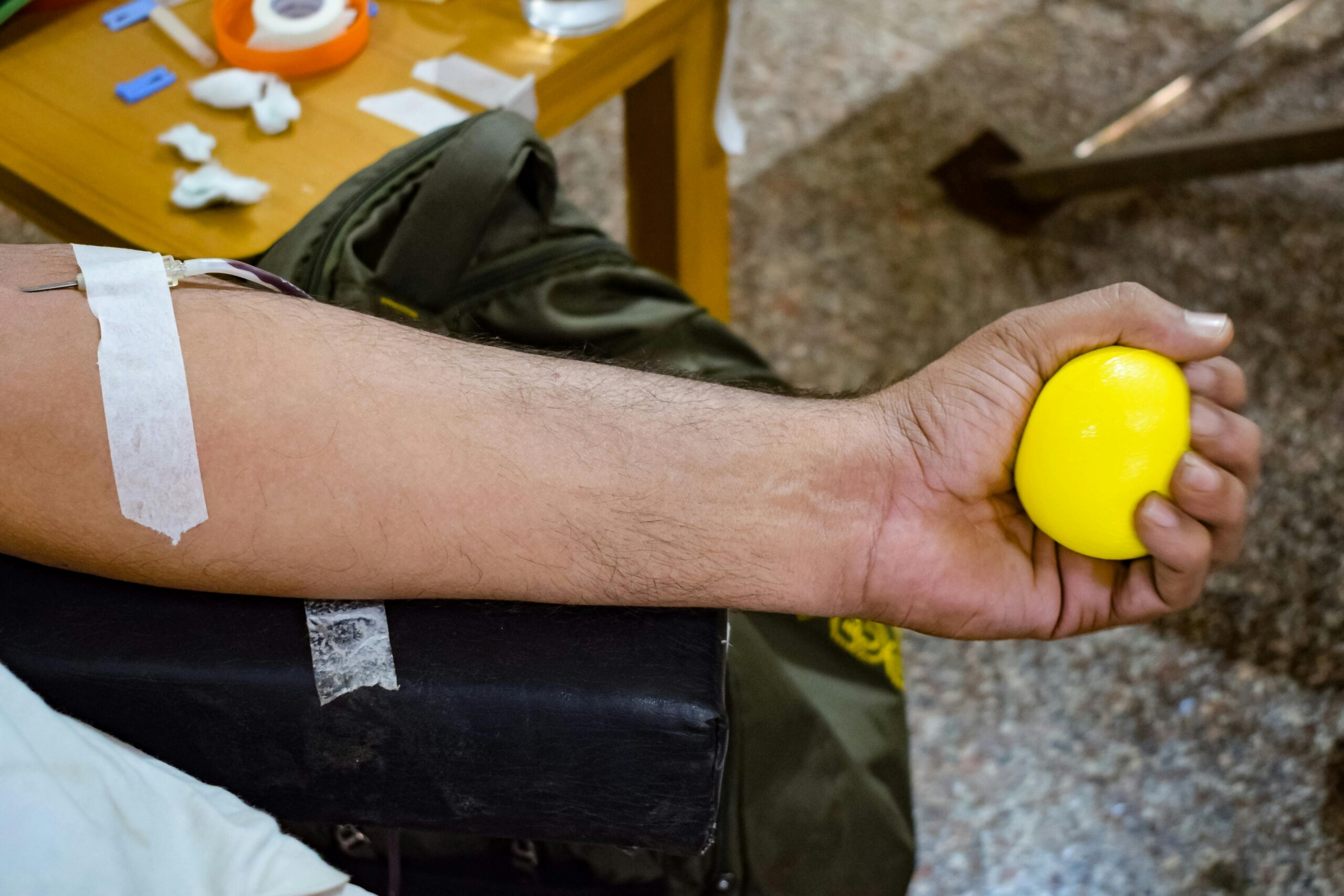
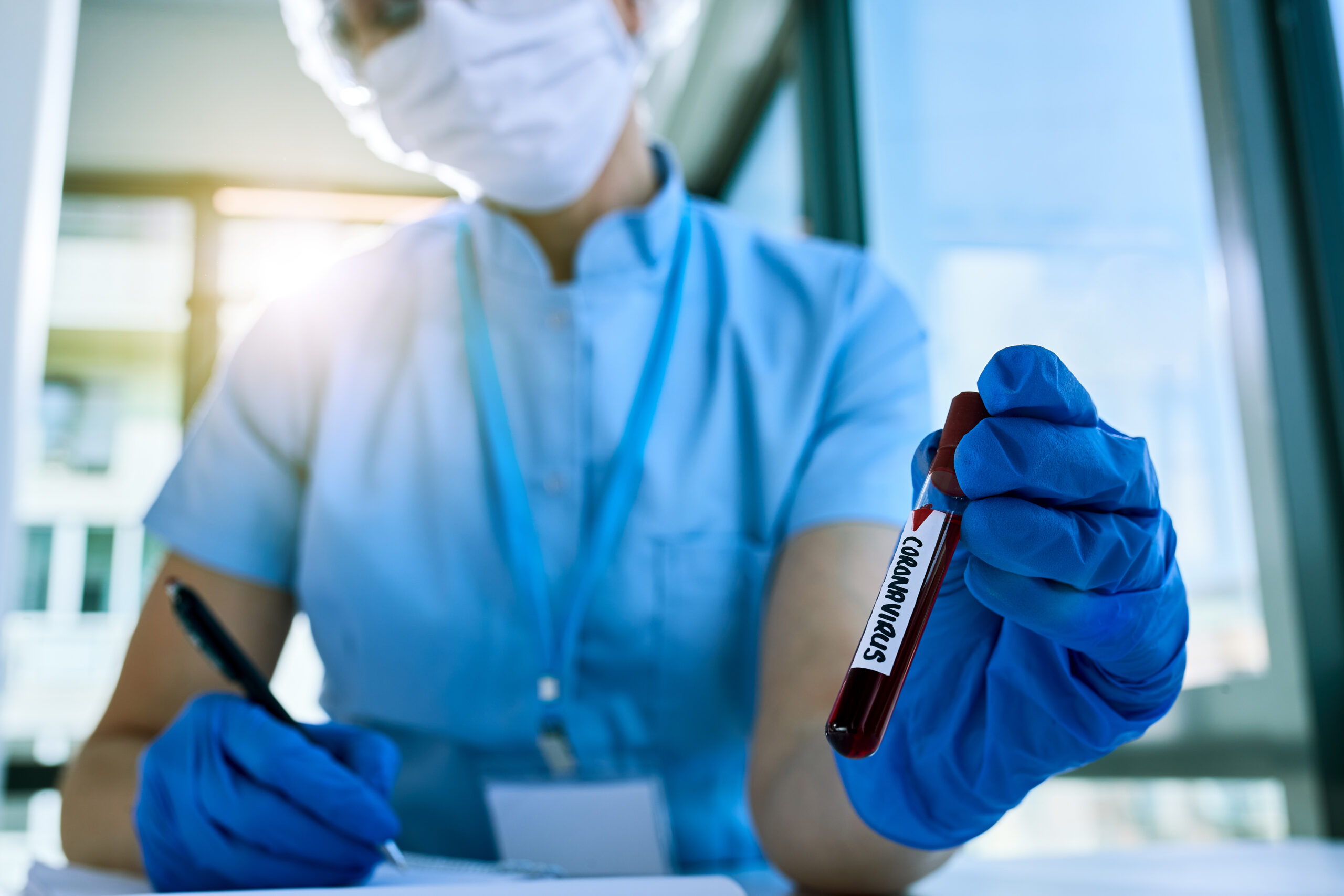
Hire Donor Screener: Donor Screeners and Medical Screeners play a vital role in Blood and Organ Banks. They assess donor eligibility, ensuring safe and effective collection processes. Hiring top talent strengthens your operations and enhances donor satisfaction.
Why Hire a Donor Screener / Medical Screener?
Hiring a Donor Screener or Medical Screener is essential for delivering high-quality service in Blood and Organ Banks. These professionals contribute significantly to operational efficiency and safety.
- Enhance Safety Protocols: A qualified Donor Screener assesses donor health effectively. They identify potential risks and ensure that the collection process adheres to health standards, safeguarding both donors and recipients.
- Streamline Operations: By hiring skilled screeners, organizations can speed up the intake process. Faster screening leads to increased donor throughput, which is crucial during peak donation times.
- Improve Donor Retention: Friendly and knowledgeable screeners enhance donor experiences. Positive interactions encourage repeat donations, which is vital for maintaining blood and organ supplies.
- Ensure Compliance: Skilled Medical Screeners understand regulatory requirements. They help organizations avoid legal issues by ensuring all donors meet eligibility criteria.
What Are the Types of Donor Screener / Medical Screener?
- Health History Screening Technician: These professionals focus on conducting health interviews with donors. They gather essential health information that ensures donor safety and regulatory compliance.
- Donor Intake Specialist: Responsible for managing the initial donation process, these screeners inform donors about procedures and collect necessary data, enhancing the overall experience.
- Phlebotomist: While primarily focused on blood collection, phlebotomists also play a role in screening by assessing donor readiness. Their hands-on skills are crucial for a smooth donation process.
- Quality Assurance Auditor: This type of screener ensures all protocols are followed and that donor screening meets industry standards. They provide oversight to maintain quality and safety in operations.
Where to Find Donor Screener / Medical Screener?
- Online Job Boards: Websites like Indeed and Glassdoor provide a large pool of candidates. However, the challenge lies in screening the resumes effectively to find the right fit.
- Staffing Agencies: Agencies like Pulivarthi Group specialize in healthcare recruitment. They offer pre-vetted candidates, which can save time and improve hiring outcomes.
- Professional Networks: Networking through platforms like LinkedIn helps connect with experienced screeners. However, this can be time-consuming and requires building relationships.
What Are the Challenges Faced While Hiring Donor Screener / Medical Screener?
- Assessing Technical Skills: Evaluating candidates’ healthcare knowledge and practical skills can be difficult. Inadequate assessment may lead to hiring individuals who cannot perform effectively.
- Ensuring Cultural Fit: Finding candidates who align with your organization’s values is crucial. A poor cultural fit can impact team dynamics and overall operations.
- Managing High Turnover Rates: The blood donation sector experiences high turnover, making it challenging to maintain a skilled workforce. This can lead to operational disruptions.
- Limited Candidate Availability: There may be a shortage of qualified screeners in certain areas. This scarcity can lead to increased recruitment costs and extended hiring processes.
What Qualifications and Licenses Must a Donor Screener / Medical Screener Have?
- Relevant Degree: A degree in nursing, health sciences, or a related field is essential. This educational background ensures a foundational understanding of medical practices and donor safety.
- Certifications: Certifications like Certified Phlebotomy Technician (CPT) add credibility. They showcase a screener’s commitment to professionalism and adherence to industry standards.
- Experience: A minimum of 1-2 years of relevant experience is usually required. Practical experience helps screeners develop the necessary skills to interact effectively with donors.
Sample Donor Screener / Medical Screener Job Description
Job Overview: We seek a skilled Donor Screener to evaluate donor eligibility and ensure compliance with health regulations.
Key Responsibilities: Conduct health interviews, document donor information, and explain donation procedures.
Required Skills: Excellent communication, attention to detail, and the ability to work in a fast-paced environment.
Qualifications: A degree in health sciences and relevant certification.
Donor Screener / Medical Screener Interview Questions: What to Ask Donor Screener / Medical Screener at the Interview
- Can you explain the donor eligibility criteria? This question assesses their knowledge of essential screening requirements.
- Describe your experience with donor interviews. This inquiry helps gauge their practical experience in health history screening.
- How do you handle donor concerns? This question evaluates their interpersonal skills and customer service approach.
- What steps do you take to ensure compliance? This question checks their understanding of regulatory standards and practices.
- Can you provide an example of a challenging situation you faced? This question reveals their problem-solving abilities and resilience in stressful scenarios.
When Should I Hire a Donor Screener / Medical Screener?
Hiring a Donor Screener or Medical Screener is vital during peak donation periods or when expanding services. If you anticipate increased donor traffic or face critical skill shortages, bringing in trained screeners will enhance operational efficiency and ensure safety compliance. Early hiring can prevent bottlenecks and support increased capacity.
How Can I Test Donor Screener / Medical Screener Skills?
- Role-Specific Assessments: Conduct practical assessments that mimic real-world scenarios. This strategy allows you to observe candidates in action and evaluate their decision-making skills.
- Real-World Tasks: Assign tasks related to donor screening. This can assess their competency and comfort level in typical job functions.
- Simulation Exercises: Use mock donor scenarios to see how candidates respond under pressure. This testing method effectively reveals their interpersonal and technical skills.
How to Conduct an Effective Cultural Fit Assessment for Donor Screener / Medical Screener?
- Situational Questions: Ask how candidates would handle hypothetical scenarios. Their responses can indicate if they align with your organizational culture.
- Align with Company Values: Review candidates’ personal values during discussions. This approach helps ensure their priorities match your organization’s mission.
- Team Involvement in Interviews: Include potential co-workers in the interview process. Their feedback can provide insights into how well candidates might integrate with the team.
What Is the Average Salary of a Donor Screener / Medical Screener in the US?
The average salary for a Donor Screener or Medical Screener in the U.S. ranges from $35,000 to $50,000 annually, depending on experience and location. Positions in urban areas often offer higher salaries due to competition. Increased demand for these roles has led to salary growth, especially in specialized facilities.
What Are Some Donor Screener / Medical Screener-Specific SOPs, and How to Create Them?
- Donor Eligibility Verification: Outline the steps for verifying a donor’s eligibility, ensuring all necessary health checks and documentation are completed systematically.
- Health History Documentation: Create guidelines for how to accurately document donor health history. This SOP ensures consistency and facilitates easier reviews.
- Confidentiality Procedures: Establish procedures to protect donor information. This practice is crucial for maintaining trust and complying with legal standards.
How to Retain Donor Screener / Medical Screener Effectively?
- Offer Competitive Salaries: Ensure salaries and benefits match or exceed industry standards. Competitive compensation increases job satisfaction and reduces turnover rates.
- Create a Supportive Environment: Foster a workplace culture that values open communication and teamwork. A supportive atmosphere encourages screeners to remain committed long-term.
- Provide Professional Development: Invest in training and development opportunities. Screeners are more likely to stay when they see growth potential in their careers.
Hire Donor Screener / Medical Screener with Pulivarthi Group
Partnering with Pulivarthi Group allows you to access a talent pool of pre-vetted Donor Screeners and Medical Screeners. Thus, Our expertise in recruitment saves you time and ensures you receive skilled professionals who meet your specific needs. Thus, Let us help you achieve operational success in your Blood and Organ Bank services.