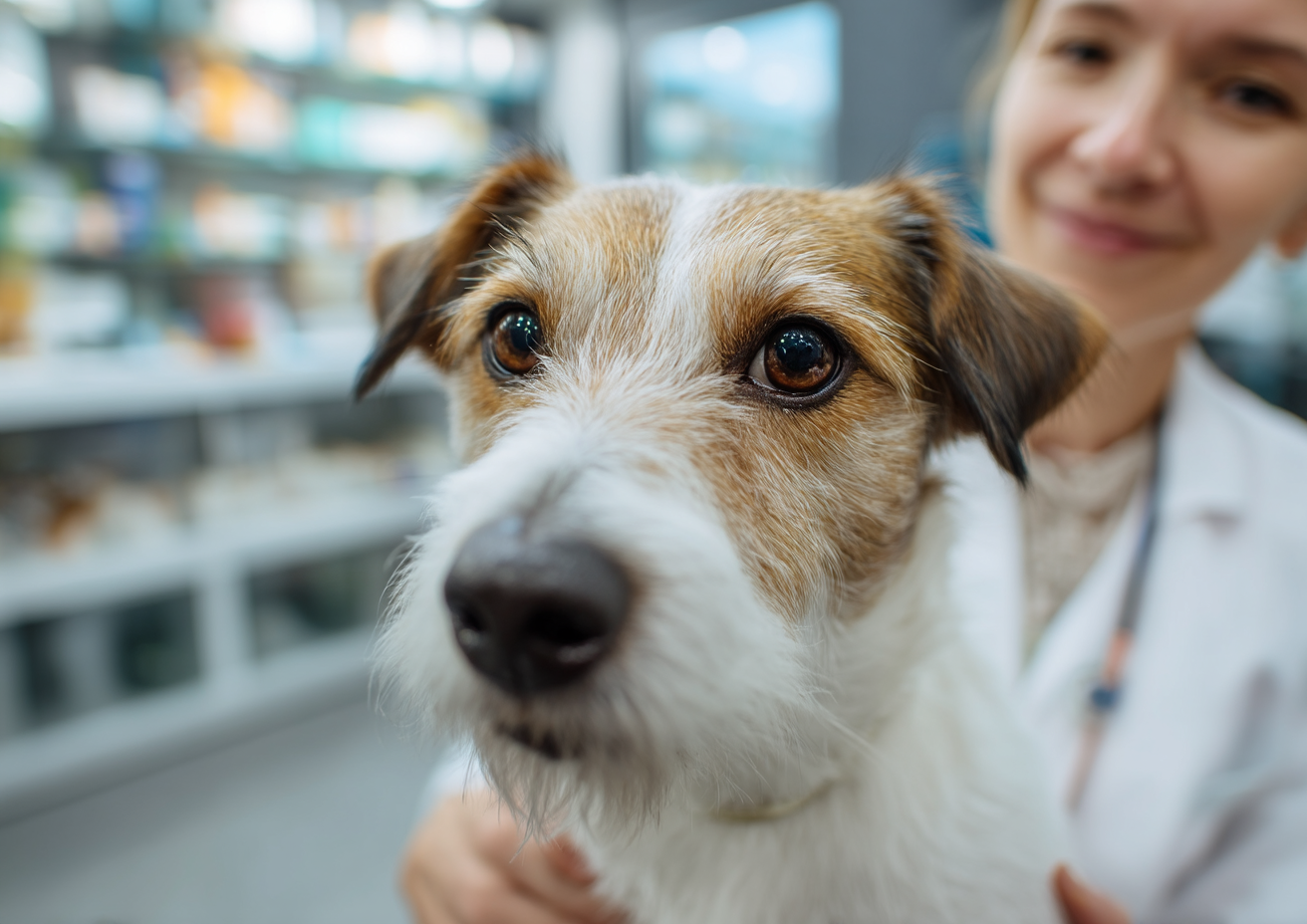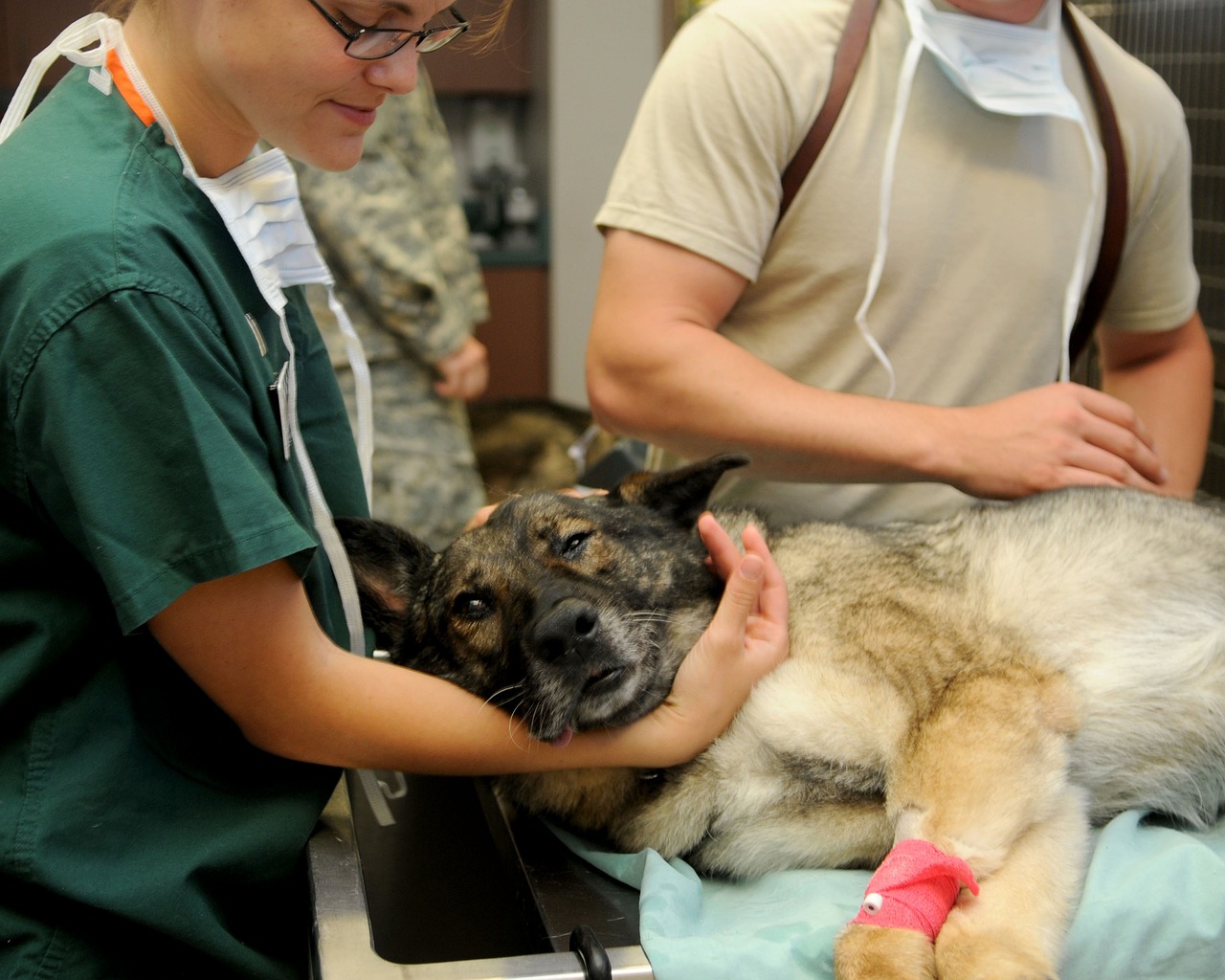
Effective pain management in geriatric animals is critical for their quality of life. As pets age, they experience various physiological changes and comorbidities that can complicate pain management. These challenges necessitate tailored strategies, especially for those in veterinary clinics focusing on geriatric care. By addressing these key issues, veterinary professionals can provide significantly improved treatment outcomes for aging pets.
The Unique Challenges of Geriatric Pain Management
Older animals often present multiple health challenges. Conditions such as arthritis, cancer, and organ dysfunction are prevalent in geriatric patients. These comorbidities lead to complex pain management scenarios. Therefore, understanding the specific needs of geriatric animals becomes essential.
Additionally, physiological changes such as decreased metabolism and renal function can affect drug efficacy and safety. For example, standard dosages of pain medications may not be suitable for elderly pets. Thus, careful assessment and adjustment are crucial to maintain their well-being.
Pharmaceutical Approaches to Pain Management
Pharmaceutical interventions are a cornerstone of pain management in geriatric animals. Common medications include non-steroidal anti-inflammatory drugs (NSAIDs) and opioids. Veterinarians must closely monitor any side effects due to the animals’ decreased tolerance for such medications. Regular blood tests can help evaluate liver and kidney function, ensuring the safe administration of these drugs.
- NSAIDs: Effective for osteoarthritis and other inflammatory conditions.
- Opioids: Useful for moderate to severe pain but require meticulous dosing.
- Corticosteroids: Can provide relief, but long-term use may lead to adverse effects.
Non-Pharmaceutical Pain Management Techniques
In addition to pharmaceuticals, non-pharmaceutical pain management techniques are gaining traction. These include physiotherapy, acupuncture, and nutritional supplements. Such modalities aim to improve the overall quality of life for geriatric animals.
For instance, physical therapy can help maintain mobility and reduce pain. Regular sessions can lead to significant improvements in strength and flexibility. Furthermore, acupuncture has shown promise in alleviating chronic pain associated with arthritis and other degenerative conditions.
Integrating Diagnostics in Pain Management
Accurate diagnostics play a vital role in effective pain management strategies. Utilizing advanced imaging techniques such as X-rays, MRIs, or ultrasounds can help identify underlying conditions that might not be visible during a physical exam. Understanding these diagnostic findings is crucial for devising the most appropriate pain management strategy.
Collaborating with veterinary specialists can provide additional insights into complex cases. For example, if a pet suffers from both arthritis and a spinal condition, tailored interventions can be established from comprehensive diagnostic evaluations.
Owner Involvement in Pain Management
The role of pet owners in managing geriatric pain cannot be overstated. Educating owners on recognizing signs of pain is essential. Common symptoms include reluctance to move, changes in appetite, and vocalizations. Owners should be empowered to monitor these behavioral changes and communicate them effectively to their veterinarian.
Involving pet owners in the care plan enhances compliance and participation. Regular follow-ups and open communication channels ensure that pain management strategies are continually assessed and refined.
The Importance of Customizing Pain Management Strategies
Geriatric pain management is not one-size-fits-all. Each pet is unique, and their treatment plans should reflect this. Tailoring strategies based on individual needs, comorbidities, and lifestyle can drastically improve outcomes. Therefore, veterinary professionals should conduct thorough evaluations before prescribing pain management protocols.
Bespoke care plans may include the timing of medication administration, preferred types of therapies, and the level of exercise appropriate for the pet’s condition. Such customizing can lead to enhanced effectiveness and greater satisfaction for both pets and owners.
Future Trends in Geriatric Pain Management
As research in veterinary medicine progresses, fresh insights continue to emerge regarding pain management. Innovations such as regenerative therapies, including stem cell treatments, show promise. These emerging options may provide solutions that address the root causes of pain rather than just masking symptoms.
Additionally, advancements in pain assessment tools are being developed to allow veterinarians to measure pain levels more accurately. This trend will enable more precise treatments tailored to the individual animal’s needs.
Conclusion
Effective pain management in geriatric animals is an ongoing challenge that veterinary professionals must navigate. By understanding the unique challenges associated with aging pets, practitioners can implement comprehensive and individualized pain management strategies. Moreover, educating clients about the signs of pain and the importance of regular veterinary consultations can enhance the overall success of these strategies.
In your veterinary practice, consider adopting an integrated approach that combines both pharmaceutical and non-pharmaceutical interventions. Doing so can significantly improve the quality of life for your geriatric patients. Therefore, it is vital to consult your veterinarian for appropriate pain management strategies, ensuring optimal care for these cherished members of our families.