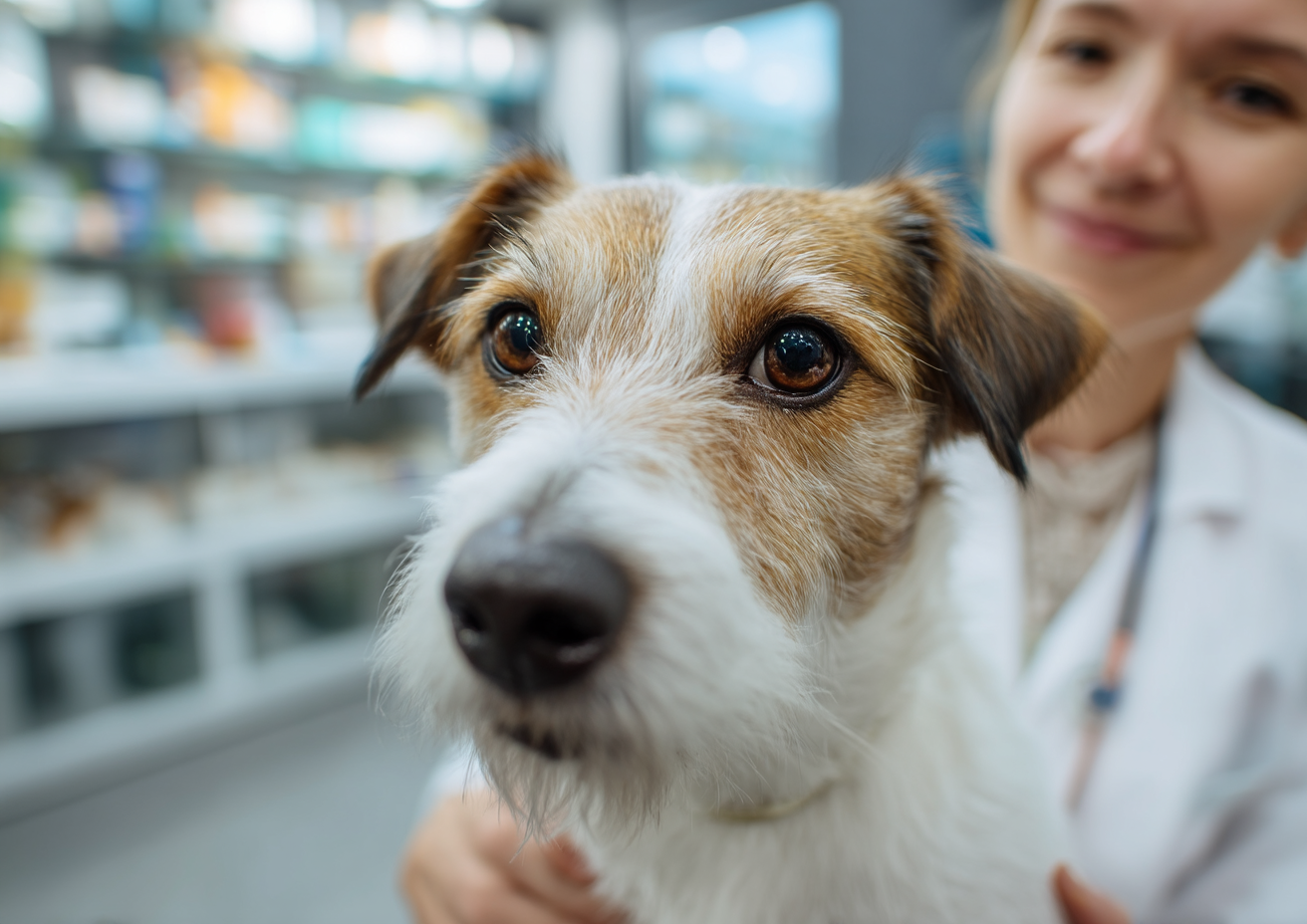
Ovariectomy is a surgical procedure often performed on female dogs for ovary removal as a means of pet neutering. There are primarily two techniques used: laparoscopic and open ovariectomy. Each method shows differing systemic inflammatory and oxidative stress responses, which are critical for pet health post-surgery. Understanding these differences is vital for veterinarians and pet owners to make informed decisions when considering spay surgery for their dogs.
Overview of Surgical Techniques
The laparoscopic approach is minimally invasive. It utilizes small incisions, a camera, and specialized instruments to perform the surgery, which often results in quicker recovery times for dogs. In contrast, the open ovariectomy involves a larger incision, exposing the internal organs directly. While both techniques ultimately achieve the same goal, they differ in execution and impact on recovery.
The Importance of Inflammatory Responses
Inflammation is a natural response to surgery, but excessive inflammatory reactions can lead to complications. Research has shown that laparoscopic ovariectomy may result in lower levels of inflammatory markers compared to the open approach. This implies that dogs undergoing laparoscopic surgery could experience less postoperative discomfort and quicker healing times.
Moreover, oxidative stress occurs when there is an imbalance between free radicals and antioxidants in the body. Post-surgical oxidative stress can negatively affect tissue healing and overall recovery. Therefore, understanding each method’s impact on these parameters is crucial for optimizing surgical outcomes.
Comparative Analysis of Recovery Times
When evaluating recovery times, various studies indicate that dogs undergoing laparoscopic ovariectomy return to normal activities significantly quicker than those undergoing the open procedure. This difference in healing time is attributed to the less invasive nature of the laparoscopic technique, which minimizes tissue trauma. For example, a study showed that dogs that had undergone laparoscopic surgery resumed their regular playfulness within just a few days, compared to a week or longer for open surgery.
Implications for Veterinary Practice
Veterinarians must stay updated on advances in surgical techniques, particularly those concerning minimally invasive approaches like laparoscopic ovariectomy. These techniques not only enhance recovery for the pet but also may translate into higher satisfaction rates among pet owners. Thus, offering a variety of surgical options aligns with modern veterinary practices and meets the needs of a diverse clientele.
Understanding Long-Term Effects
Long-term studies on the effects of various ovariectomy techniques are limited but suggest that the method of surgery might influence future reproductive health. For instance, some research indicates potential psychological benefits related to quicker recovery and less pain associated with laparoscopic surgeries. Additionally, reduced inflammatory markers may indicate improved long-term health outcomes.
Addressing Common Concerns
Pet owners often express concerns regarding the safety and efficacy of surgical procedures. A common question is, “What are the risks associated with laparoscopic ovariectomy compared to open surgery?” The associated risks are generally comparable; however, the lower incidence of surgical complications with the laparoscopic technique gives it an edge. Furthermore, the shorter recovery times lessen the anxiety pet owners typically feel during the healing process.
Practical Considerations for Pet Owners
When selecting a surgical option, pet owners should consider several factors, such as the dog’s overall health, breed, and specific medical history. It is advisable to consult with a veterinarian who specializes in performing both laparoscopic and open ovariectomy. It is important that owners ask questions like, “How will you handle complications should they arise?” or “What surgical technique do you recommend for my dog’s specific needs?” This ensures they make informed decisions regarding their pet’s care.
Conclusion and Next Steps
Ultimately, the decision to pursue a laparoscopic or open ovariectomy should be informed by both the veterinarian’s expertise and the owner’s preferences. As evidenced, this decision impacts not just the immediate experience of the surgery, but also the long-term health and satisfaction of the pet. For those interested in learning more about state-of-the-art surgical options for pets, it’s essential to seek out veterinary practices that prioritize minimally invasive techniques.
In conclusion, the evolving landscape of veterinary surgery is oriented toward better patient outcomes and enhanced recovery processes. Therefore, pet owners and veterinarians alike must stay informed and proactive in choosing the best surgical techniques available.