Specialty Referral Hospitals Facing Diagnostic Bottlenecks
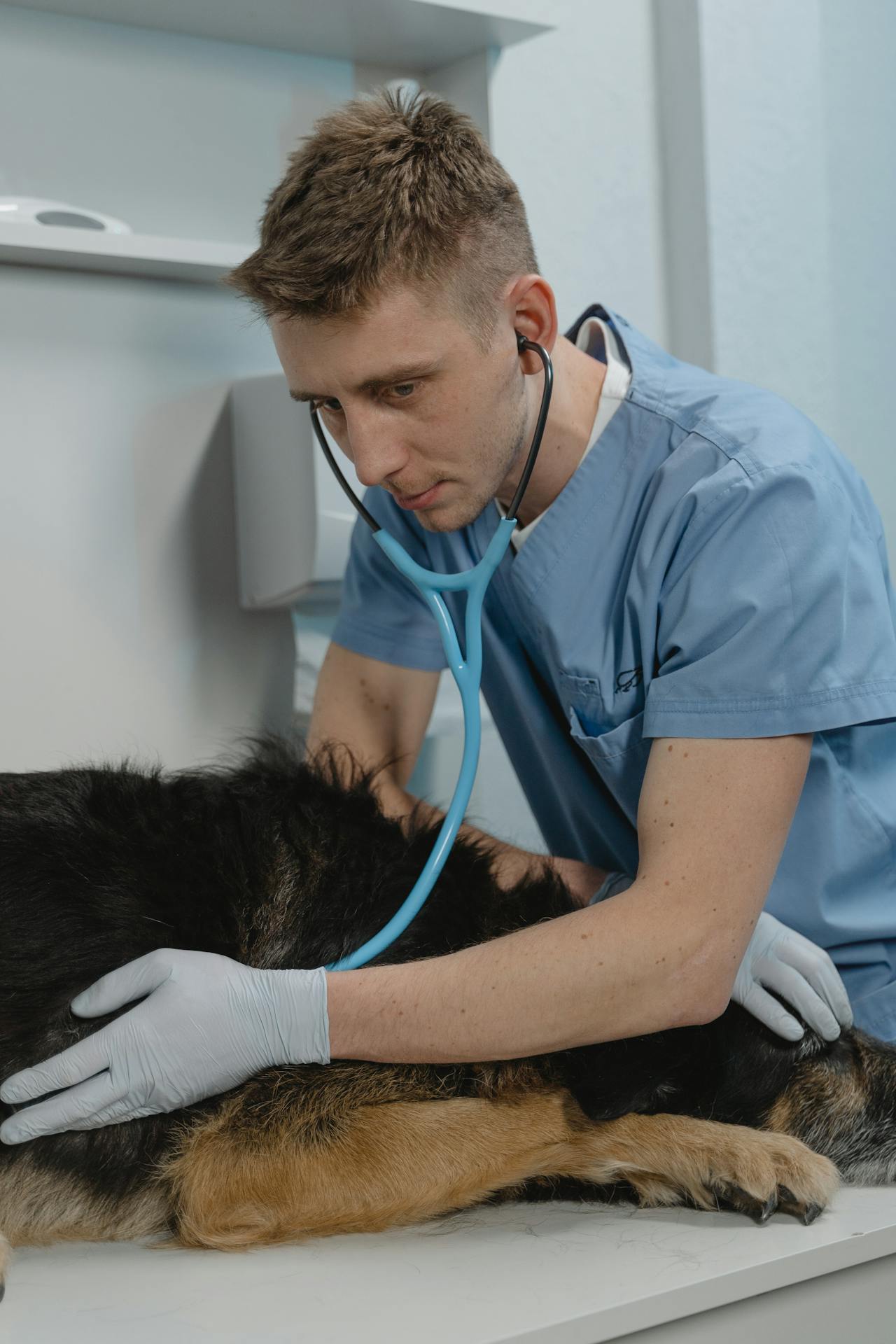
Specialty referral hospitals rely on internal medicine services to anchor advanced diagnostics. This case study examines a regional referral center providing endoscopy, ultrasound-guided diagnostics, endocrine management, and complex chronic disease care. Because the hospital functioned as a diagnostic hub, internal medicine capacity shaped overall throughput.
Referral volume increased steadily. Primary care clinics relied heavily on specialty support. Meanwhile, diagnostic complexity rose across endocrine, gastrointestinal, and immune-mediated cases. According to the American Veterinary Medical Association, specialty referrals have expanded faster than specialist supply.
Under normal staffing levels, internal medicine services supported timely case progression. However, specialty roles tolerate minimal disruption. Even short gaps create cascading delays.
Problem: Sudden Specialist Gap Triggered Referral Backlogs
The challenge emerged unexpectedly. One internal medicine specialist entered extended leave. Because the hospital operated near full utilization, diagnostic access tightened immediately.
Within weeks, referral wait times doubled. Endoscopy slots disappeared. Chronic cases stalled. According to Veterinary Practice News, delayed specialty diagnostics often result in worsened outcomes and referral partner dissatisfaction.
Primary care clinics expressed frustration. Emergency departments retained complex cases longer. Meanwhile, inpatient stays extended unnecessarily.
Leadership recognized the urgency. Without rapid intervention, referral networks risked permanent diversion.
Constraints: Narrow Talent Pool and Immediate Productivity Needs
Several constraints limited options. Veterinary internal medicine specialists represent a highly limited workforce segment. Board-eligible clinicians already operated at capacity.
Additionally, diagnostic roles allow no ramp-up period. Case complexity demands immediate independence. Any mismatch increases risk.
Credentialing requirements added pressure. Hospital privileging and diagnostic equipment access required verification. Therefore, accuracy mattered as much as speed.
Traditional recruitment timelines offered no relief. According to workforce projections from the U.S. Bureau of Labor Statistics, specialty veterinarian shortages persist nationwide.
Solution: Urgency-Focused Placement of an Internal Medicine Specialist
The hospital initiated an urgency coverage staffing response. The objective remained clear. Restore diagnostic capacity quickly.
Candidate screening prioritized immediate diagnostic readiness. Prior referral hospital experience mattered most. Case volume exposure guided selection.
Credentialing and privileging ran concurrently. Diagnostic equipment access approvals advanced in parallel. As a result, idle waiting periods disappeared.
The selected specialist brought extensive referral hospital experience. Prior roles included high-volume diagnostic environments. Therefore, productivity resumed rapidly.
According to specialty workforce analysis from McKinsey & Company, rapid specialty deployment significantly reduces downstream operational disruption.
How Pulivarthi Group Intervened
Pulivarthi Group supported the hospital during a high-risk specialty gap by executing a precision-driven urgency coverage intervention.
Rather than treating the role as a long-cycle specialist hire, Pulivarthi Group aligned candidate selection to diagnostic independence and referral workflow readiness.
Throughout the engagement, Pulivarthi Group coordinated credentialing, privileging, and deployment sequencing. As a result, diagnostic access restored without prolonged backlog.
Outcome: Referral Backlogs Cleared and Diagnostic Throughput Restored
The impact proved rapid. Referral wait times reduced by 55 percent within six weeks.
Diagnostic scheduling normalized. Emergency case retention declined. Consequently, inpatient length of stay decreased.
Referral partner confidence returned. Case submissions stabilized. According to dvm360, reliable specialty access directly influences referral loyalty.
Revenue recovered alongside throughput. Advanced diagnostics volume returned to baseline.
Most importantly, patient outcomes improved. Earlier diagnosis enabled timely intervention.
Why Urgency Coverage Matters for Specialty Veterinary Roles
This case highlights a critical reality. Specialty bottlenecks ripple across entire hospitals.
Because internal medicine anchors diagnostics, gaps disrupt multiple departments. According to Deloitte, specialty care delays magnify system-wide inefficiency.
By prioritizing urgency coverage, hospitals protect referral relationships and clinical outcomes.
Conclusion: Rapid Specialist Placement Protects Referral Integrity
Specialty hospitals cannot absorb prolonged internal medicine gaps.
This case demonstrates that rapid veterinary internal medicine staffing prevents referral backlogs and stabilizes diagnostic services.
When speed aligns with expertise, specialty care remains uninterrupted.
Applying This Staffing Model
Organizations facing sudden specialty gaps encounter similar diagnostic risk.
This staffing model applies to roles where referral flow and advanced diagnostics define success.
Early intervention prevents cascading delays.