Livestock Operations Operating on Tight Health Margins
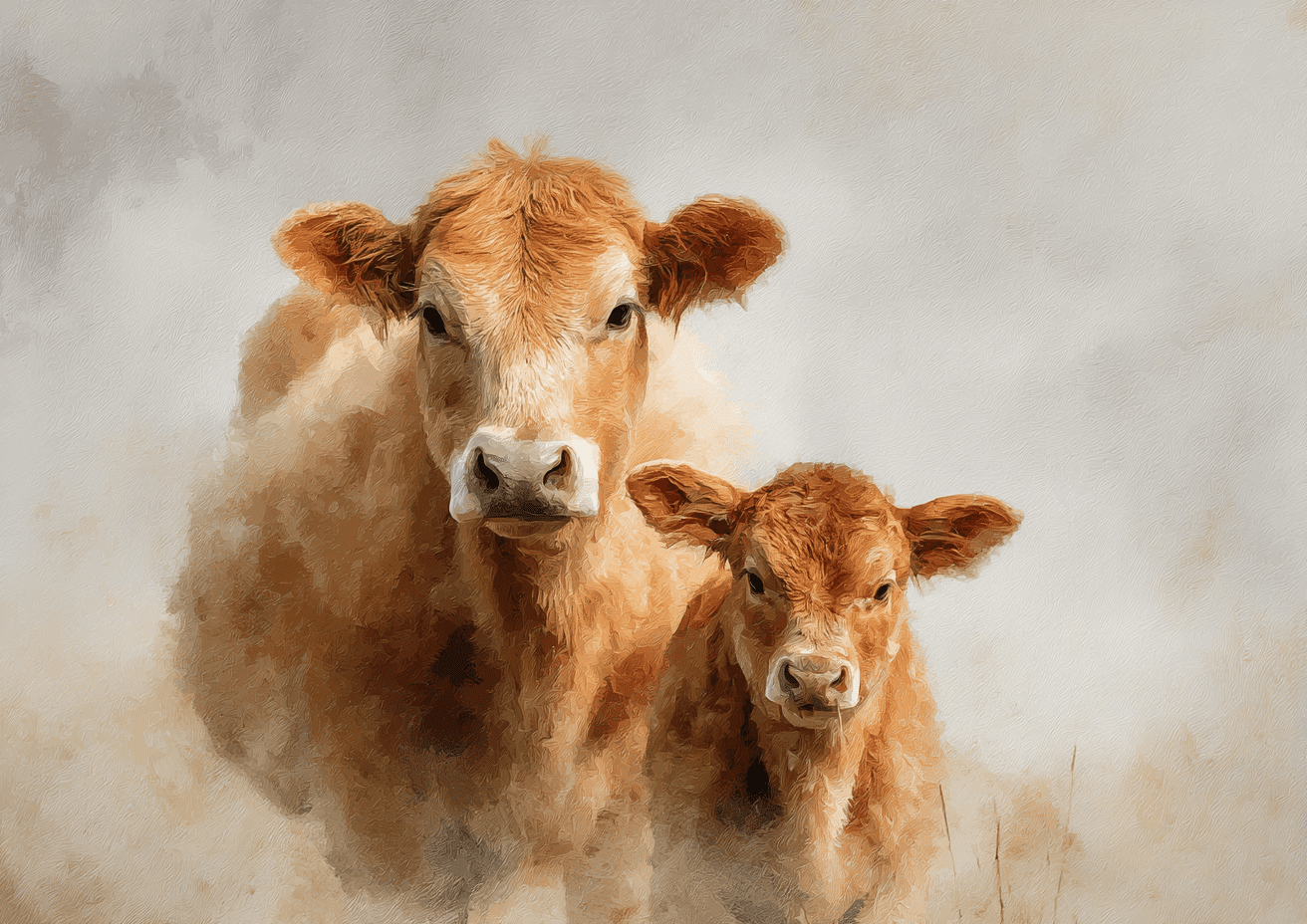
Food animal production depends on uninterrupted veterinary oversight. This case study examines a multi-site agricultural operation supporting beef cattle, dairy herds, and integrated feedlot services across a rural region. Because herd health directly influenced production yield, veterinary access functioned as a core operational requirement.
Seasonal pressures intensified demand. Calving cycles compressed timelines. Disease surveillance required constant monitoring. According to the American Veterinary Medical Association, food animal veterinarians play a critical role in safeguarding both animal welfare and food supply continuity.
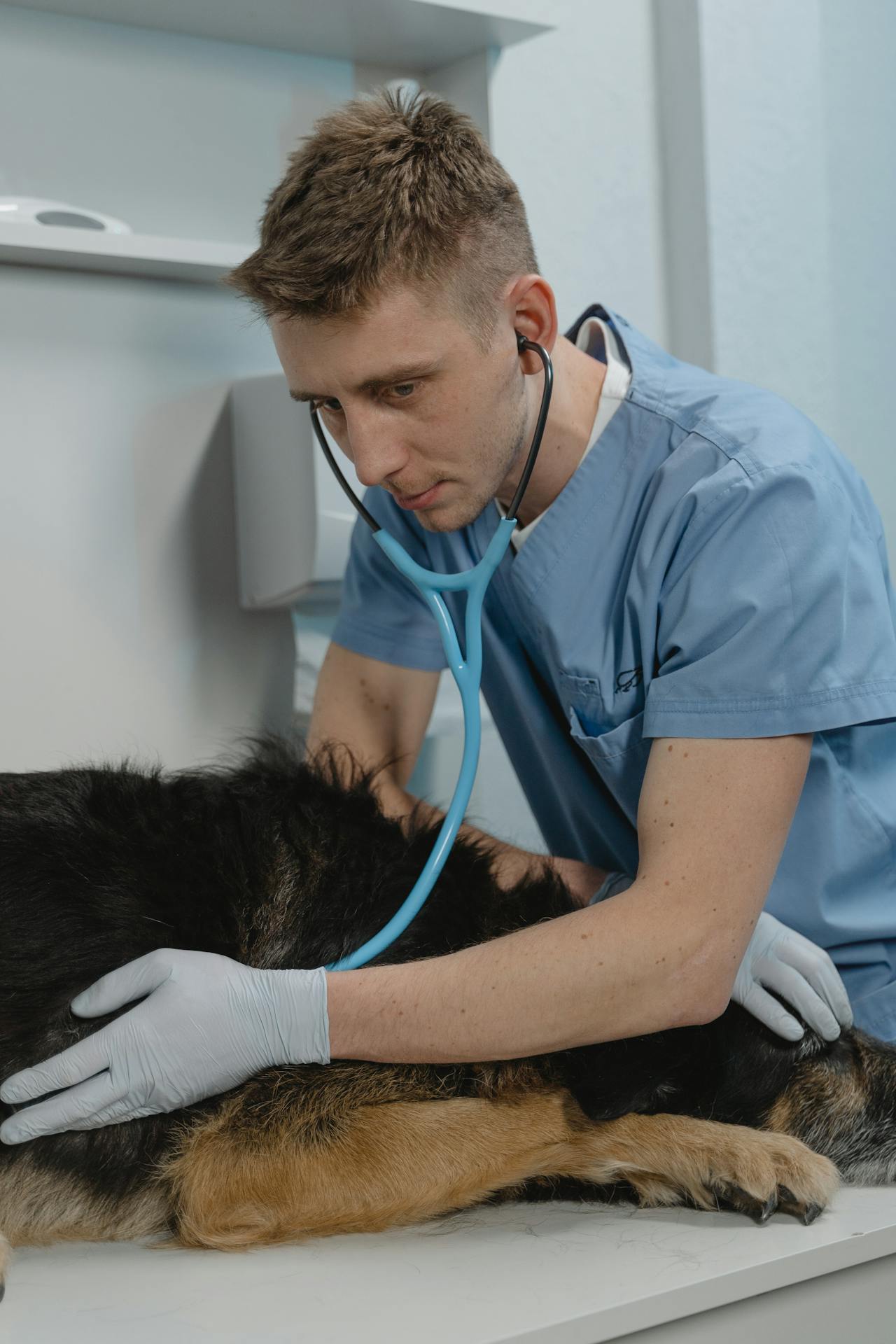
Operationally, the organization relied on a single full-time food animal veterinarian. That role oversaw herd health programs, regulatory compliance, biosecurity protocols, and emergency interventions. Therefore, vacancy risk remained existential rather than inconvenient.
Under stable conditions, production remained predictable. However, staffing fragility left no buffer against disruption.
Problem: Sudden Vacancy Threatened Herd Health and Production Schedules
The risk materialized abruptly. The incumbent food animal veterinarian resigned due to family relocation. Because notice remained short, leadership faced immediate exposure.
Within days, preventive herd checks fell behind. Vaccination schedules slipped. Meanwhile, producers expressed concern regarding disease escalation. According to the U.S. Department of Agriculture, delayed veterinary oversight increases outbreak risk and economic loss across livestock systems.
Internal stopgaps failed quickly. Contract relief veterinarians lacked regional familiarity. Travel delays compounded response times. As a result, confidence eroded.
Production leaders recognized the cascading risk. Missed health windows could disrupt breeding cycles. Feed conversion ratios could decline. Therefore, urgency defined the response.
Constraints: Rural Talent Scarcity and Zero Tolerance for Delays
Several constraints restricted options. Food animal veterinarians represent a limited labor pool. Rural placement further narrowed availability.
Additionally, regulatory oversight allowed no lapse. Federal and state inspections required veterinary sign-off. Any delay risked compliance exposure.
Operational geography complicated logistics. Herds spanned large distances. Emergency response times mattered. Therefore, rapid deployment required regional readiness.
Traditional recruitment timelines offered no relief. According to workforce data from the U.S. Bureau of Labor Statistics, food animal veterinarian shortages persist nationwide, particularly in agricultural regions.
Leadership required immediate staffing intervention rather than long-term pipeline development.
Solution: Rapid Deployment of an Experienced Food Animal Veterinarian
The organization initiated an urgency coverage staffing model. Speed and accuracy guided execution.
Instead of broad recruitment, leadership focused on veterinarians with active large-animal caseload experience. Herd health continuity ranked above academic specialization.
Candidate screening emphasized production system familiarity. Prior exposure to feedlots, dairy operations, and regulatory inspections informed selection.
Credentialing and onboarding progressed in parallel. License verification, malpractice coverage, and farm access permissions executed simultaneously. As a result, deployment timelines compressed.
The selected food animal veterinarian entered with proven rural practice history. Previous roles demonstrated crisis response capability. Therefore, functional readiness remained immediate.
According to agricultural workforce research from McKinsey & Company, rapid veterinary response significantly reduces downstream production loss during staffing disruptions.
How Pulivarthi Group Intervened
Pulivarthi Group supported the organization during a high-risk production window by executing a time-critical staffing intervention aligned to agricultural realities.
Rather than treating the vacancy as a routine rural hire, Pulivarthi Group aligned candidate selection to herd scale, geographic coverage, and regulatory exposure.
Throughout the engagement, Pulivarthi Group coordinated credentialing, deployment sequencing, and stakeholder alignment. As a result, veterinary coverage resumed without production interruption.
Outcome: Herd Health Stabilized and Production Risk Mitigated
The results proved immediate. Veterinary coverage restored within fourteen days. Preventive programs resumed on schedule.
Disease monitoring normalized. Emergency response times improved. Consequently, producer confidence returned.
Regulatory inspections passed without exception. Documentation remained current. Therefore, compliance risk diminished.
Financial impact remained controlled. According to benchmarks from Agriculture.com, delayed veterinary oversight can result in six-figure production losses annually. This intervention avoided that outcome.
Most importantly, herd outcomes stabilized. Mortality rates declined. Feed efficiency improved. As a result, production targets remained intact.
Why Urgency Coverage Matters in Food Animal Veterinary Staffing
This case illustrates a critical reality. Food animal operations cannot pause for hiring cycles.
Because animal health links directly to food supply, veterinary vacancies carry systemic risk. According to Deloitte, agricultural workforce disruptions ripple quickly across production chains.
By prioritizing rapid deployment, organizations protect both animal welfare and economic stability.
Conclusion: Rapid Food Animal Veterinarian Staffing Protects Production Continuity
Urgency defines food animal veterinary staffing. Delays magnify loss.
This case demonstrates that rapid food animal veterinarian staffing prevents production disruption and preserves regulatory compliance.
When staffing speed aligns with experience, agricultural operations remain resilient.
Applying This Staffing Model
Agricultural organizations facing sudden veterinary gaps encounter similar risk profiles.
This staffing model applies to roles where herd health continuity determines operational success.
Early readiness planning reduces exposure when vacancies occur.