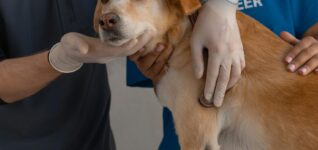
DACVIM staffing has become one of the most prolonged and high-risk hiring challenges in veterinary specialty medicine. Across referral and tertiary care hospitals, leadership teams report vacant DACVIM roles remaining open for a year or longer. Consequently, hospitals delay service expansion, restrict referrals, and stretch existing specialists beyond sustainable limits.
The Unique Role of DACVIMs in Specialty Hospitals
Board-certified veterinary internal medicine specialists manage the most advanced medical cases. First, DACVIMs interpret complex diagnostics across multiple organ systems. Next, they design long-term treatment plans for chronic and rare conditions. Then, they coordinate care across oncology, neurology, cardiology, and critical care teams. Consequently, DACVIMs function as clinical keystones.
Referral hospitals rely on DACVIMs to sustain credibility and case depth. Additionally, referring veterinarians expect timely access to board-certified expertise. Therefore, DACVIM staffing directly determines referral trust and hospital reputation.
Professional literature consistently emphasizes the growing demand for boarded specialists. For example, JAVMA discusses increasing reliance on board-certified care alongside workforce limitations. Review JAVMA discussions on board-certified specialty demand. Consequently, shortages carry system-wide impact.
Why DACVIM Hiring Timelines Have Lengthened
Extremely limited specialist supply
DACVIM certification pathways remain among the most rigorous in veterinary medicine. First, candidates complete internships. Next, they secure competitive residencies. Then, they pass demanding board examinations. Consequently, only a small cohort qualifies each year.
Supply growth lags behind demand. Additionally, retirement and burnout offset new entrants. Therefore, DACVIM staffing shortages persist.
Geographic concentration restricts mobility
Most DACVIMs practice in major metropolitan areas. Consequently, hospitals in secondary markets struggle to attract candidates.
Relocation barriers compound scarcity. Moreover, family considerations and spousal careers limit geographic flexibility. As a result, time-to-fill stretches far beyond expectations.
Workload intensity and burnout influence decisions
DACVIMs manage cognitively demanding caseloads. First, prolonged diagnostic uncertainty increases mental fatigue. Next, emotionally complex client communication adds strain. Then, documentation and coordination expand workload. Consequently, burnout risk rises.
Extended vacancies worsen the cycle. Additionally, existing DACVIMs absorb overflow, accelerating attrition. Therefore, hiring timelines lengthen further.
The Operational Impact of Prolonged DACVIM Vacancies
Vacant DACVIM roles disrupt hospital operations immediately. First, referral intake caps tighten. Next, appointment wait times extend into months. Then, complex cases divert elsewhere. Consequently, hospitals lose revenue and referral loyalty.
Internal workflows also suffer. Moreover, emergency and ICU teams manage cases longer without specialist input. Therefore, throughput declines and stress increases.
Brand risk grows over time. Additionally, referring veterinarians adjust expectations and referral patterns. As a result, hospitals struggle to recover lost ground even after hiring.
Why Traditional Recruiting Approaches Fail for DACVIM Roles
Posting DACVIM openings rarely generates volume. First, most candidates already hold positions. Next, passive outreach yields limited engagement. Consequently, vacancies persist.
Compensation alone does not resolve scarcity. Additionally, higher pay cannot offset unsustainable workloads. Therefore, DACVIM staffing requires structural change.
Credential verification and contract negotiation further extend timelines. Moreover, hospitals hesitate to compromise on experience. As a result, hiring stalls.
The Burnout Factor Driving Long-Term Risk
Burnout represents a leading attrition driver among DACVIMs. First, cognitive overload accumulates daily. Next, emotional labor intensifies. Then, recovery time shrinks. Consequently, clinicians reduce hours or exit roles.
Veterinary wellbeing research consistently identifies boarded specialists as high-risk groups. Review the Veterinary Wellbeing Study overview. Accordingly, retention strategies must address workload sustainability.
How Specialty Hospitals Shorten DACVIM Hiring Timelines
They redesign caseload expectations
High-performing hospitals cap daily case volume. Additionally, leadership protects diagnostic time. Consequently, DACVIMs sustain performance.
Balanced schedules improve retention. Therefore, staffing stability improves.
They expand advanced support infrastructure
Skilled technicians, residents, and fellows extend specialist capacity. Moreover, delegation reduces cognitive overload. As a result, DACVIMs focus on decision-making.
Team-based care enhances sustainability. Consequently, hospitals retain talent longer.
They position DACVIM roles as long-term careers
Retention-focused hospitals offer leadership, research, and teaching opportunities. Consequently, specialists envision futures beyond clinical throughput.
Clear advancement pathways reduce attrition. Therefore, DACVIM staffing stabilizes.
The Financial Risk of 12+ Month Hiring Cycles
Extended vacancies cap growth. First, hospitals limit referrals. Next, competitors capture unmet demand. Then, market share erodes. Consequently, long-term revenue declines.
Turnover costs escalate as well. Moreover, recruiting boarded specialists requires significant time and resources. Therefore, retention investment delivers strong ROI.
Operational predictability also suffers. Additionally, leadership delays expansion plans. As a result, strategic momentum slows.
What Specialty Hospital Leaders Should Do Now
DACVIM staffing requires proactive, long-term strategy. First, hospitals should quantify backlog and referral loss. Next, leadership should redesign workload distribution. Then, hiring plans should prioritize sustainability over speed. Consequently, timelines shorten.
Board-certified internal medicine specialists anchor advanced veterinary care. Therefore, protecting and retaining DACVIMs safeguards patient outcomes, referral trust, and hospital viability.
Ultimately, 12-month hiring timelines reflect systemic strain, not recruiting failure. Consequently, specialty hospitals that address root causes secure resilience and long-term growth.